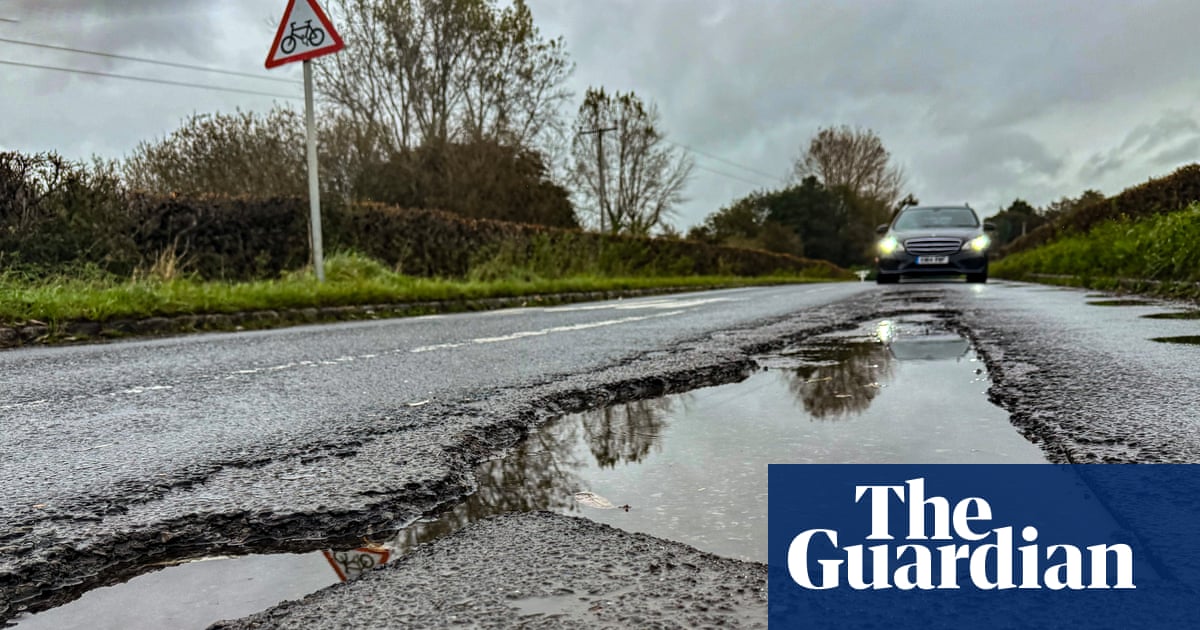

Experts have raised concerns that the increasing popularity of SUVs is exacerbating the issue of potholes on British roads. Recent studies indicate that a significant number of consumers are opting for larger vehicles to cope with deteriorating road conditions.
Research findings suggest that the rise in the number of heavier vehicles is contributing to the worsening state of potholes across the UK. SUVs accounted for over half of the two million new vehicles sold in the country last year, and their presence is also growing among the seven million used cars sold.
Polls indicate that nearly one in eight drivers in areas such as London and Yorkshire chose to purchase an SUV or a heavier vehicle, citing concerns about road quality as a contributing factor. According to a study by Opinium for Kwikfit, six percent of drivers reported that road conditions influenced their decision to buy an SUV, a figure that doubled among those who experienced vehicle damage due to road issues.
However, experts caution that these consumers may be inadvertently worsening the very problem they are trying to avoid, as their larger vehicles are not immune to damage from potholes. The primary cause of pothole formation remains the freeze-thaw cycle of rainwater during wet winters, and while heavy trucks contribute to immediate damage, the increasing weight of passenger vehicles is also deteriorating road surfaces.
Dr. Ali Rahman, an assistant professor of civil engineering at the University of Leeds, noted that the growing prevalence of SUVs intensifies pothole development. He explained that higher axle loads increase surface stress, leading to cracks and road wear. This contributes to a secondary, yet significant, aspect of the problem, particularly in urban areas where road infrastructure was not built to accommodate heavier vehicles.
Professor Anna Goodman from the London School of Hygiene and Tropical Medicine remarked that a typical SUV exerts approximately five times more pressure on the road compared to standard passenger cars. The shift towards SUVs has been dramatic over the past two decades, rising from three percent of vehicles on the road in England to over thirty percent, which likely impacts road wear and tear.
Professor Christian Brand, an emeritus professor in transport at Kellogg College, Oxford, explained that SUVs typically weigh 200-300 kg more than hatchbacks or sedans. He pointed out that while a single heavy truck can cause significant damage, the rapid increase in SUVs means that their collective impact, especially on urban roads designed for lighter vehicles, is increasingly pertinent to local maintenance challenges.
The Institution of Civil Engineers has acknowledged that heavier vehicles, including electric cars, are contributing factors to pothole formation and are shortening the lifespan of roads.
In response to these concerns, London is contemplating additional charges for large SUVs, primarily due to the increased safety risks they pose to other road users and the additional space they occupy. Transport for London is conducting research to assess the implications of these larger vehicles on safety and congestion before implementing any potential measures.
A spokesperson for London Mayor Sadiq Khan stated, “As part of their research, TfL will examine the overall impact of the continued growth in size and weight of these large SUVs, including their effect on the condition of London’s roads.”
An annual report from the Asphalt Industry Alliance, a road repair trade organization, has revealed that the cost of repairing all potholes and local roads in England and Wales has reached a staggering £18.6 billion.
Steve Gooding, director of the RAC Foundation, commented, “Given the deplorable state of many roads, it is not surprising that people are leaning towards rugged, off-road vehicles. Larger wheels equipped with all-terrain tyres are better suited for navigating potholes, but these vehicles often do not come with the smaller, lighter cars that drivers might otherwise deem adequate for their everyday journeys.”
Jack Cousens, head of roads policy at the AA, added, “Unfortunately, all vehicles are susceptible to pothole damage—regardless of the type of car, potholes are a universal threat.”