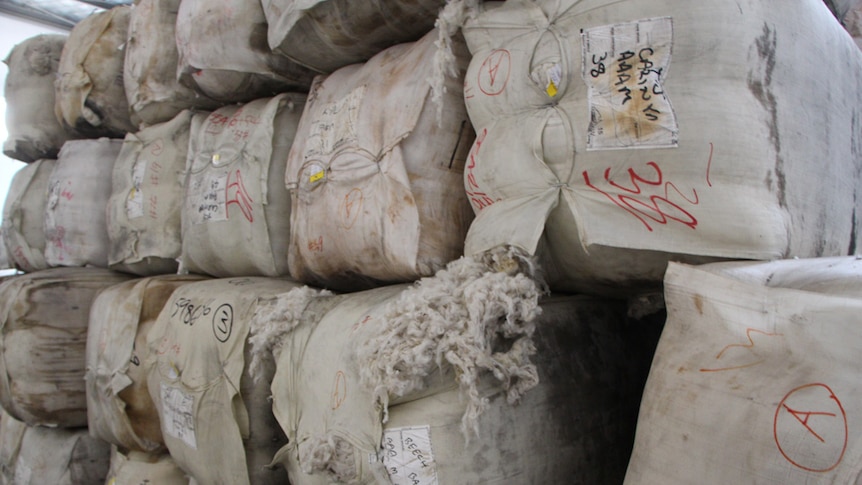

Elders Limited has revealed plans to relocate its wool handling and selling operations from Western Australia to Victoria, set to take effect in July 2027. The company has pointed to a nearly 40 percent decline in wool production in Western Australia in recent years, raising questions about the sustainability of local operations.
According to Elders, the eastern states feature the world’s largest weekly wool selling hub, which offers a more competitive environment for buyers. After over a century of wool sales in Western Australia, the company has decided to cease its local operations starting in 2027.
Currently, six wool brokers are active in Western Australia; however, Elders’ decision comes in light of significant drops in wool production. In correspondence with clients, Elders confirmed that from July 2027, all wool from Western Australia will be processed and sold at its Ravenhall facility in Melbourne. The company aims to enhance buyer competition, expedite market access, and bolster long-term sustainability through this transition.
Industry reactions have varied, with some local growers expressing concern that relocating wool sales outside of Western Australia could have detrimental effects on the sector. Luke Grant, owner and director of Westcoast Wool and Livestock, conveyed to ABC that Elders’ exit could severely impact the industry. He emphasized that the local wool selling center is viable, but its future could be jeopardized by such decisions.
Greg Marsh, a sheep farmer and long-time client of Elders, echoed similar worries, questioning whether other wool companies would follow suit. He noted that while Elders’ strategic shift could potentially be beneficial, the uncertainty surrounding the future of wool production in Western Australia is troubling.
During an interview on WA Country Hour, Elders’ operations general manager, Dave Adamson, explained that the decision was influenced significantly by the federal government’s move to end the live sheep export trade, which has adversely affected the state’s wool industry. He stated, “This has been a difficult decision, but clearly the landscape has changed.” Adamson emphasized that extensive discussions with clients, buyers, and exporters informed this choice, aiming to secure a competitive market for their wool in the long run.
Recent figures from Australian Wool Innovations indicate that Western Australia’s wool flock has decreased to 10.1 million, underscoring the industry’s challenges.
In terms of logistics for growers, Adamson highlighted that the Melbourne facility, which became operational in 2024 following a $25 million investment, is a 24-hour processing site capable of managing all wool from Western Australia without incurring additional selling or freight costs. He noted that growers currently transport wool to Rockingham for sale at the Fremantle center, but starting next July, they can either drop off their wool at Rockingham or at regional depots closer to home.
Adamson assured that a dedicated section for Western Australian wool would be established at the Ravenhall facility, ensuring clear visibility for buyers. He confirmed that operations will continue as usual from Rockingham until July 2027, after which the site will transition to a general warehouse. If this does not prove effective, the company may consider further changes regarding that location.