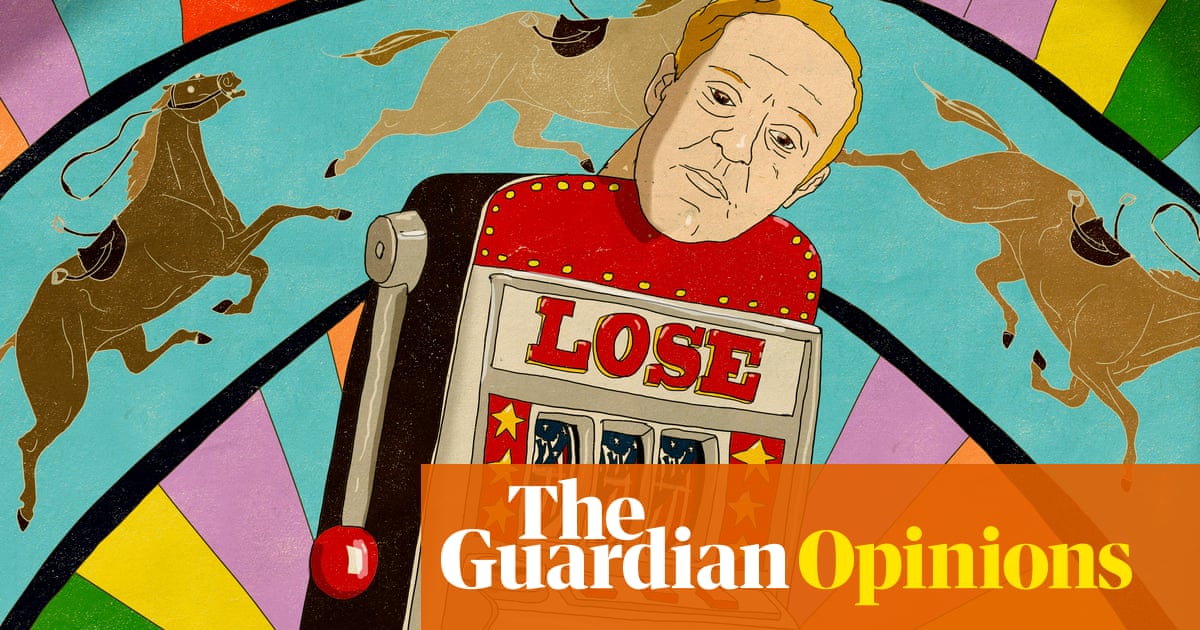

Welcome to my exploration of gambling, titled “My Journey in Betting.” While my unconventional strategies may seem effective, they often only appear to work momentarily before proving ineffective.
First, let’s discuss a recent challenge facing the robust financial landscape of English football. There’s a phrase that refers to playing the world’s smallest violin, typically used to mockingly express sympathy over perceived trivial grievances, often accompanied by a gesture suggesting a miniature instrument.
In truth, there are even more diminutive violins. Imagine micro-violins so small that only a highly skilled nano-grasshopper, dressed in a formal suit, could play them. These tiny instruments produce music that is surprisingly sweet and full of emotion, even impressing other nano-grasshoppers with their exquisite sound.
This is the metaphorical tiny violin being played in response to complaints from Premier League clubs about their struggles to secure shirt-front sponsorships akin to those provided by gambling companies. As reported, nine clubs are currently searching for sponsorship deals that match the lucrative offers from the gambling sector, which will be prohibited from shirt-front advertising next season due to a voluntary agreement. A club executive lamented, “Nearly everyone is losing money,” likely while wearing a suit made from extravagant materials.
There are numerous reasons to find this complaint unconvincing. How will an industry that can incur losses of £335 million manage without an additional £4 million for intermediary fees? It seems unjust that this situation arises from a directive to cease an activity that harms the very supporters who sustain them. It’s time to summon the nano-grasshoppers; we need a micro-violin for this scenario.
The core issue lies within the realm of gambling itself. I have long been critical of forced sports betting, partly due to its inherent dullness. Betting detracts from the essence of sports; if one feels the need to gamble to enjoy or engage in sports discussions, it indicates a lack of genuine interest. It reduces the experience to mere speculation about outcomes that lack emotional investment, turning a shared cultural experience into a monotonous routine.
This may be acceptable for those who choose it, but the pervasive intrusion of gambling into sports is concerning. The prevalence of brands with names like Betwang and Puntbot, along with logos overshadowing club insignias, suggests a troubling trend where interaction with players may soon require a click on their jerseys to access betting features.
Moreover, the glamorization of gambling within sports creates a misleading narrative, as if life revolves around betting and financial wins, with images of jubilant fans in pubs celebrating victories and moments of connection. The portrayal suggests that gambling can alleviate loneliness, with scenarios depicting famous players engaging with enthusiastic fans in idyllic settings, all fueled by extravagant betting wins. Is that really what we desire?
Personally, I have never engaged in sports betting. The odds are against you; even if you do win, bookmakers may restrict your account. Successful gamblers often resort to subterfuge, intentionally losing under pseudonyms just to maintain their betting privileges.
However, last week, I decided to experiment with betting to determine if a viable strategy exists. The objective was to grow an initial £10 into £1,000 through calculated risks, navigating the chaos of betting with ease.
Having spent years analyzing sports, using my skills to make educated guesses, I assumed that avoiding risk could yield better returns than a standard savings account. Many attempt this, but they often fail because they start to enjoy gambling. If you never truly engage in betting, you cannot incur losses. If the excitement never begins, it cannot end.
This endeavor was meant to last long-term, yet it fizzled out after only five days. My first wager was on a horse race in Florida, placed in a pub in Peckham, where I bet £10 on a favored horse to place.
The horse, Uncle’s Gold, won, and I experienced a moment of ecstatic joy. However, this was fleeting; soon, I felt nothing but regret. Why hadn’t I wagered more? Why was I missing out on potential fortune? My hypothetical gains felt insignificant, and I was consumed by the thought of my unrealized losses. Uncle’s Gold had captivated me but left me feeling betrayed.
This encapsulates my disdain for gambling—it is highly addictive. Its allure stems from its exciting availability, and many embrace addictions to cope with life’s challenges, especially when the temptation is aggressively marketed.
Two years ago, it was reported that up to 1.4 million adults in the UK might have gambling-related issues, with serious financial and social implications. The relaxation of regulations has contributed to this surge, with smartphones enabling instant access to gambling opportunities. While I struggle with various addictions, I refuse to succumb to gambling, determined to conquer it through self-control and hard-earned wisdom.
My next bet involved Manchester City defeating Liverpool, with Rayan Cherki providing an assist—another seemingly obvious outcome. Yet, as the match commenced, I felt an overwhelming sense of uncertainty…