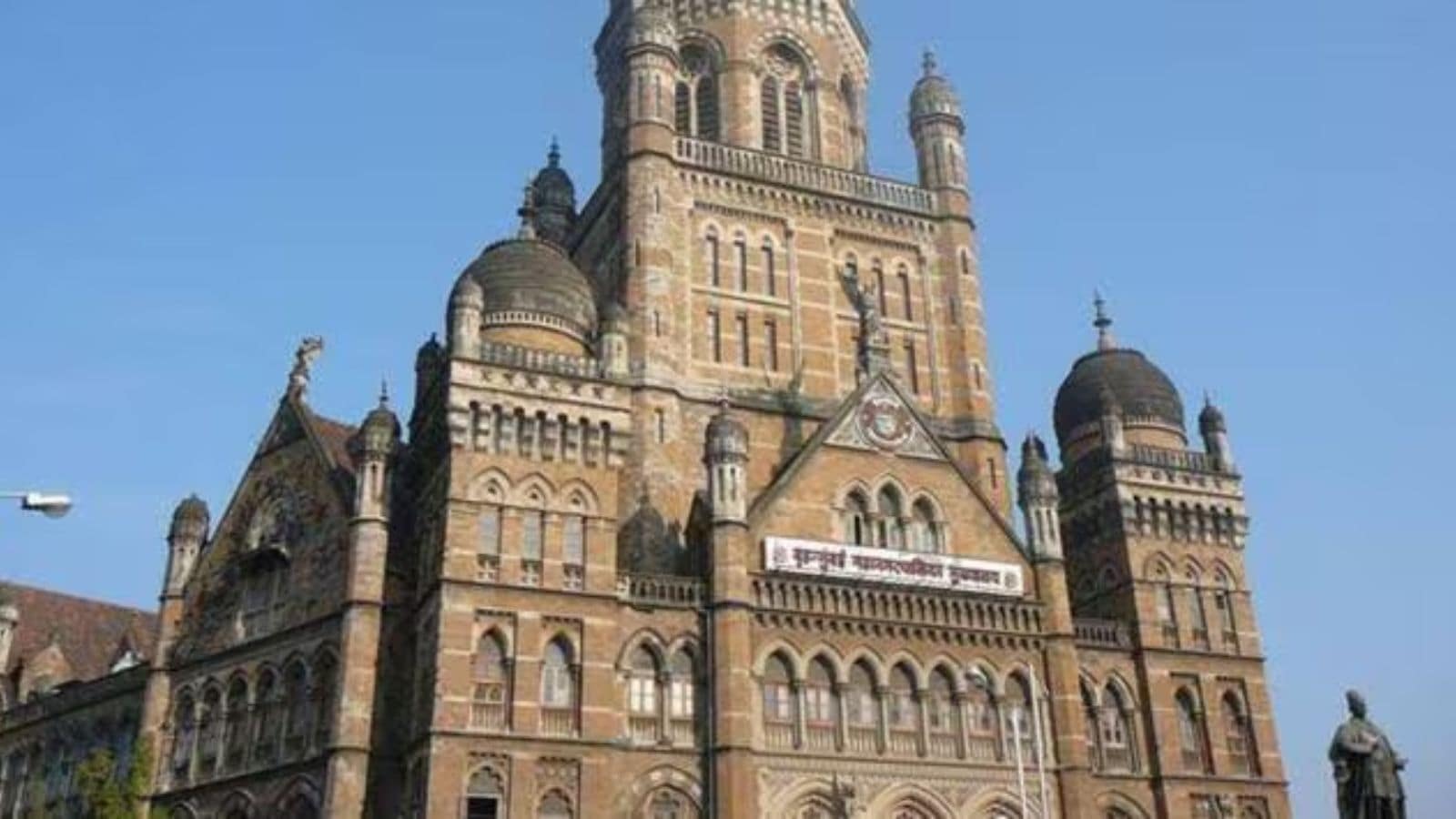

The Brihanmumbai Municipal Corporation (BMC) notified the Bombay High Court on Friday, April 10, that it requires the full expanse of over 27,000 square meters for the Sewage Treatment Plant (STP) in Worli, instead of the previously allocated 17,756 square meters. This request is based on the anticipated need for future expansion due to Mumbai’s growing population.
Previously, the High Court had permitted the BMC to use the available land of 17,756 square meters and indicated that it would later review the circumstances under which the reservation for a larger area of 27,698 square meters was reduced to nearly 17,000 square meters for the construction of a transit camp associated with a slum rehabilitation initiative. The court had halted the construction of these transit structures after noting that the Slum Rehabilitation Authority (SRA) proceeded with approvals despite BMC’s objections.
In response to a petition by Worli Urban Development Project LLP (formerly known as Lokhandwala DB Realty LLP), the developer of the slum rehabilitation project, the BMC submitted an affidavit through the Deputy Municipal Commissioner (Engineering). This affidavit was in reaction to a stop-work notice that the developer contested, raising concerns about the BMC’s revised position.
On March 27, a bench led by Justices Makarand S Karnik and Shriram M Modak requested clarification on the reasons for the BMC’s change in stance through an affidavit.
The affidavit explained that the BMC is considering the needs of a growing populace and the demand for potable water. It is currently developing an STP with a capacity to treat sewage at a rate of up to 500 million liters per day (MLD) to a tertiary standard on a contiguous area of 85,200 square meters adjoining the SRA project. The BMC asserted that the Worli Waste Water Treatment Facility (WWTF), expected to be operational by July 2027, will initially treat sewage to a tertiary level for half of its capacity, which corresponds to 250 MLD for reuse purposes.
It further noted that the treated water would be allocated for non-potable uses, and the required infrastructure for storing and distributing this 250 MLD was not included in the current plans. Consequently, the BMC stated that a larger area of 27,964.04 square meters is necessary, which would be adjacent to the existing project.
The BMC emphasized its intention to harness the full 500 MLD sewage capacity to elevate it to potable water standards in anticipation of future demands stemming from Mumbai’s increasing population.
The BMC also pointed out that the plot in question is traversed by two significant sewer trunk lines that transport substantial sewage from major city zones, including F/South, G/South, and G/North wards. These lines, dating back to the British era, are currently in good condition and are located approximately 30 feet below the surface, extending around 450 meters within the relevant plot.
Moreover, the BMC highlighted that these lines are crucial for stormwater management during heavy rain and flooding events. Any damage to these lines, given their strategic significance, could lead to severe flooding and disaster scenarios, thus necessitating adequate access for their maintenance and operation.
The bench requested the petitioner to respond to the BMC’s affidavit and scheduled the next hearing for April 17.