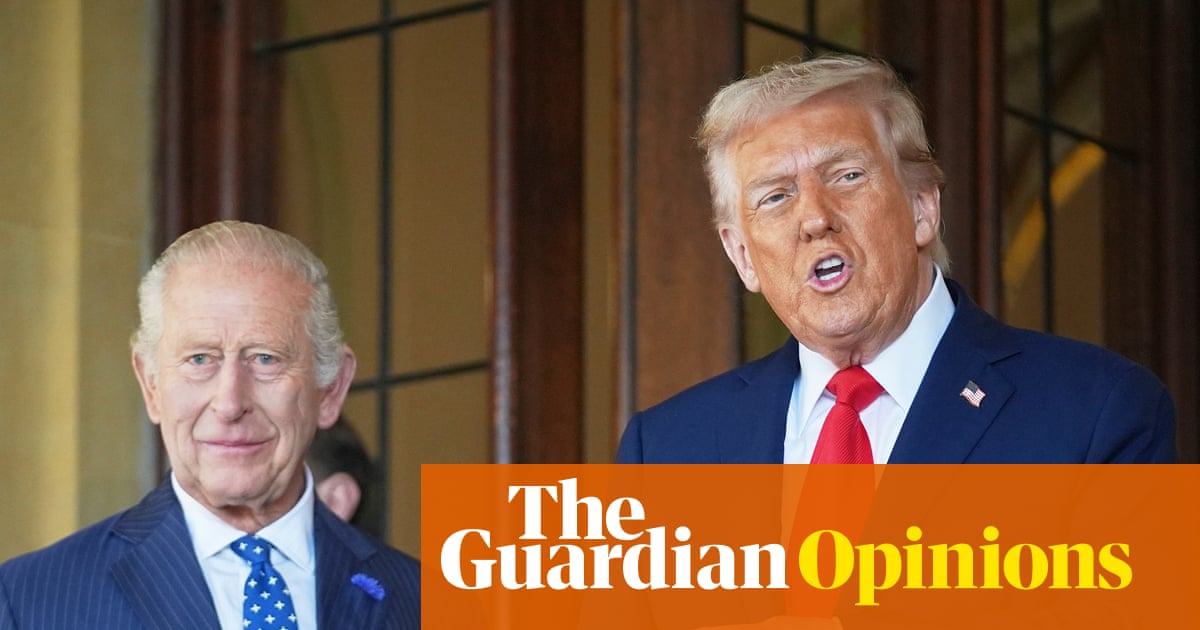

King Charles III’s upcoming address to the United States Congress on April 28 marks a pivotal moment for both the monarch and the British royal family, potentially influencing the future of UK-US relations that have been strained recently. This event will be a significant public highlight of his state visit, and it’s notable that only his mother, the late Queen Elizabeth II, has been granted this honor in the 250 years since the United States gained independence. Her address in 1991 was widely praised, setting a high standard for Charles as he steps into this role.
In the current political climate, however, navigating this address may prove challenging. The presence of former President Donald Trump looms large, despite him not attending the event. Trump has a history of controversial remarks, including those aimed at UK political figures like Keir Starmer, and he might interpret Charles’s attendance at a White House banquet as a tacit endorsement of his policies. This possibility has sparked considerable dissent among British citizens regarding the visit. Conversely, Starmer views this as an opportunity to mend the historically significant “special relationship” between the UK and the US.
Starmer’s belief in restoring relations to their previous state may be misguided. Many view Trump as a divisive figure whose actions have undermined both British and American democratic values. From his foreign policy decisions to his rhetoric against Britain and its military, Trump has had a profound impact on the perception of the US in the UK. His administration’s approach to global issues, including trade and international alliances, has been met with widespread criticism, further complicating the relationship.
In this context, Charles has a unique chance to address these concerns directly in his speech. He could articulate a strong stance against Trumpism and the divisive politics it represents, serving as a voice for the British populace, the Commonwealth, and global stability. By confronting these issues head-on, he could reshape the narrative surrounding the monarchy, positioning himself as a defender of decency and morality rather than as an enabler of harmful ideologies.
While it would be unprecedented for a British monarch to express such political views openly, the current political landscape necessitates a departure from tradition. It is likely that Charles shares the general sentiment of disapproval towards Trump’s actions, particularly regarding environmental policies and international relations. Congressional leaders are likely hoping for a message that celebrates the foundational values of American democracy. Instead, Charles could deliver a more candid assessment of how current leadership may be straying from those principles.
This address will not be a scripted performance but rather a crucial moment of genuine dialogue. A frank and forthright address from Charles could provide much-needed clarity and solidarity during a turbulent time in US politics. After all, true friendship often involves offering constructive criticism when necessary. As a descendant of George III, who was once labeled a tyrant, Charles can draw from history to convey an urgent message about the current state of affairs, especially on the 250th anniversary of the American Revolution.
A potential outline for the king’s speech could be as follows: “Mr. Speaker, esteemed members of Congress, and honored guests, I am grateful for your warm welcome. I stand before you as a friend and ally, yet I must express my deep concerns. The United States, a beacon of freedom and democracy, faces significant challenges both domestically and internationally. Rights such as voting, free speech, and the right to protest are under threat. The nation that was built by immigrants now treats them as adversaries. Issues of corruption and abuse of power are rampant, and the checks and balances designed to prevent tyranny appear to be faltering.
“Globally, the US is increasingly viewed as a threat rather than a force for good. Protectionist policies undermine trade, adversely affecting developing nations and stifling cooperation. Longstanding alliances are dismissed, and NATO, a pillar of security since 1949, is wrongfully regarded as a burden. The recent withdrawal of support for Ukraine against Russian aggression sends troubling signals about future commitments to democracy. Authoritarian regimes, particularly in China, exploit the disarray within Western leadership.
“Moreover, the disregard for international law and multilateral cooperation is alarming. Is the US now seen as a rogue state? Does it believe it can act without accountability towards weaker nations? The violence in Gaza and Iran raises serious questions about the pursuit of peace in the Middle East.
“Equally concerning is the administration’s dismissal of the climate crisis, which poses an existential threat. Ignoring this reality not only jeopardizes future generations but also undermines the global efforts to combat environmental degradation.
”