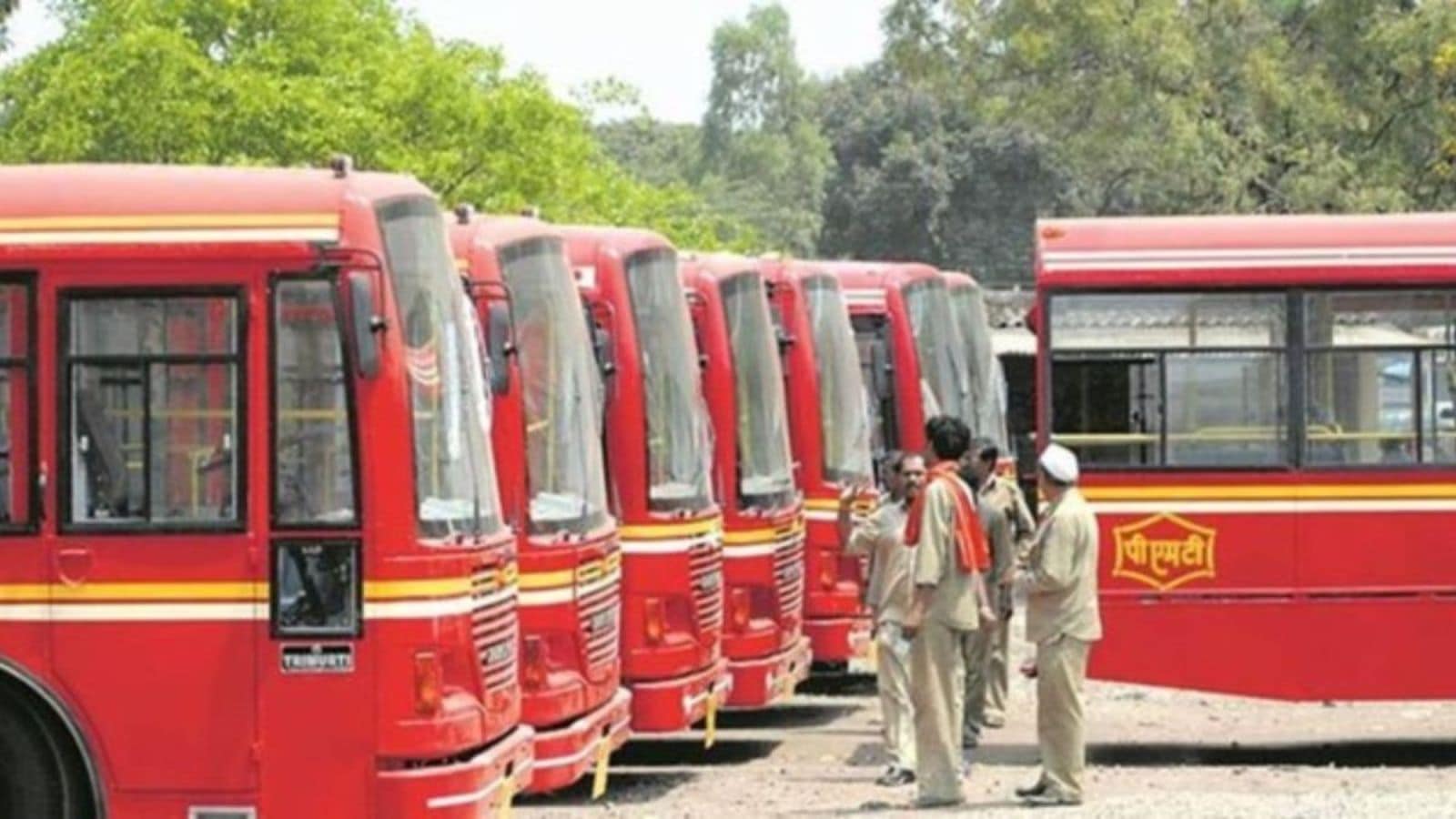

A recent webinar organized by Parisar, an urban mobility NGO located in Pune, focused on the operational hurdles encountered by the Pune Mahanagar Parivahan Mahamandal Limited (PMPML). The session utilized publicly available monthly data from PMPML to assess the effectiveness of the city’s bus transport system.
Held on April 10 and titled ‘Analysing Public Transport Data: PMPML Dashboard Demonstration,’ the event attracted urban transport professionals, consultants, researchers, and citizens interested in understanding how the data from the bus network can be interpreted and leveraged to advocate for improvements.
“PMPML is among the few bus transport agencies that consistently publishes its data, yet there is limited analysis of this information,” remarked Shweta Vernekar, Senior Programme Associate at Parisar. “To address this, we partnered with DOMO, a cloud-based Business Intelligence and data integration platform, enabling us to analyze the data and present graphical representations that are easily comprehensible and can guide actions to address identified gaps.”
The main focus of the conversation was the PMPML Dashboard, a publicly accessible tool that aggregates monthly data on ridership, revenue, fleet performance, service delivery, and various operational metrics.
According to the data review, PMPML’s fleet size has remained relatively unchanged, fluctuating between approximately 1,900 and 2,050 buses through 2025. More concerning is the shift in the fleet composition: owned buses have significantly decreased, while the proportion of hired buses has increased. This reliance on hired buses raises important questions regarding long-term cost-effectiveness and the quality of service provided.
Despite the fleet size remaining stable, the number of operational routes increased from 379 at the beginning of 2025 to 408 by December. While the expansion of the network is positive, distributing the same number of buses across more routes could lead to diminished service frequency, resulting in longer wait times for passengers.
In 2025, only about 88 percent of the planned service kilometers were completed, showing a slight improvement from the previous year but still falling short of expectations. This ongoing discrepancy between planned and actual service delivery impacts the network’s reliability and, consequently, commuter trust.
Ridership figures paint a stark picture; PMPML experienced a loss of approximately 100,000 trips per month in 2025 compared to the same period in 2024, a trend that persisted even with fare adjustments. The average number of passengers per bus per day declined significantly from 743 in January to 605 by December. Analysts speculate that a potential mismatch between ticket prices and service quality may lead more commuters to opt for alternative transport options.
Perhaps the most alarming statistic is the scale of bus availability. Pune currently provides about 22 buses per lakh of the population, a small fraction compared to the 60 buses per lakh considered the minimum standard for an effective public transport system. This fundamental shortfall, as highlighted in the webinar, severely restricts PMPML’s capacity to deliver sufficient coverage and frequency to meet the needs of the city’s increasing population.
Ashfak Shaikh, Director and Country Head of DOMO India, also spoke at the webinar, emphasizing the platform’s role in facilitating accessible analysis. He noted that the aim is to transform complex data into actionable insights.
Vernekar reiterated the broader significance of this initiative: “Data that can inform action is incredibly powerful, and the dashboard provides this capability for a range of stakeholders—journalists, advocacy groups, citizens, researchers, and students alike.”
Shubham Kurale is a Pune-based journalist with a background in journalism from the Ranade Institute. He primarily covers transport-related stories and is keen on reporting civic issues, sports, gig economy workers, environmental matters, and LGBTQ+ topics. Follow him on X: @ShubhamKurale1