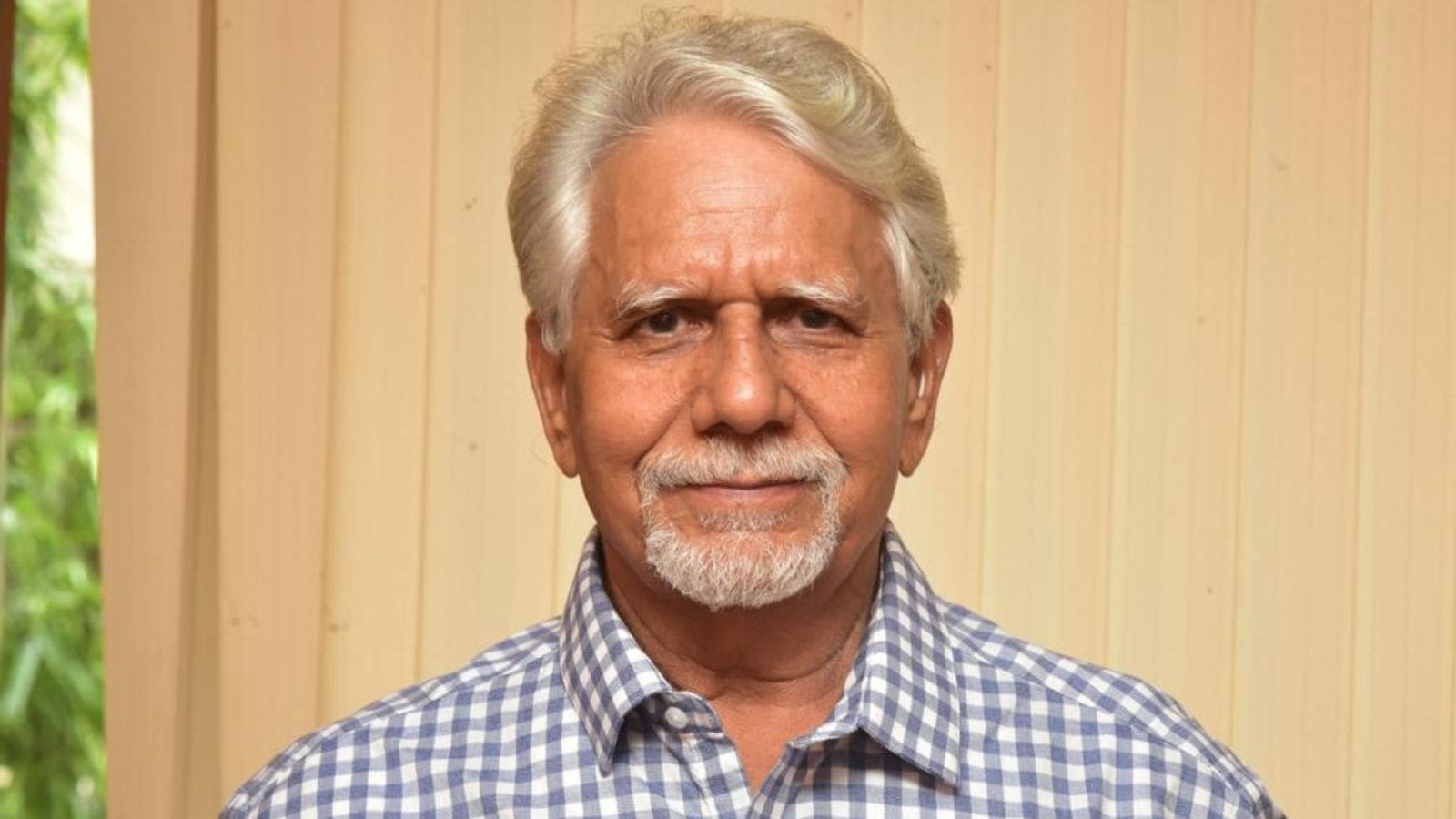

K.P. Raghuvanshi, a former Indian Police Service officer known for leading significant investigations and specialized units such as the Special Task Force (STF) and the Anti-Terrorism Squad (ATS), recently discussed his newly published autobiography, “Troubleshooter,” with journalist Manish Kumar Pathak. In the conversation, Raghuvanshi addressed the challenges of policing in high-pressure environments, notable terrorism investigations, and the establishment of the C-60 anti-Naxal unit in Gadchiroli.
The book, authored by journalist Jitendra Dixit, reflects a collaboration that spans nearly twenty-five years, beginning during Raghuvanshi’s time in the STF. Initially hesitant about writing a book, Raghuvanshi was eventually persuaded by Dixit, who believed that the stories and experiences from his career, particularly those from his time in Gadchiroli, warranted documentation. Four years later, Raghuvanshi agreed to the project, resulting in a narrative that highlights his personal journey and the often unseen realities of law enforcement.
During Raghuvanshi’s tenure as Superintendent of Police in Gadchiroli, the area faced rampant Naxal violence, leading to widespread demoralization within the police force. Recognizing the potential of local tribal youth who were familiar with the region and its dialect, he took a bold step to recruit 60 tribal individuals as constables without formal government approval. Despite concerns over potential repercussions if things went awry, he believed in the necessity of this approach, especially given that police operations at night were almost non-existent due to the constant threat to personnel.
These recruits underwent training and formed the C-60 unit, gaining access to AK-47 rifles, which significantly boosted their confidence. The unit expanded and achieved notable successes, with Raghuvanshi crediting his successor for further strengthening the force. Today, the C-60 unit boasts around 800 personnel and is recognized nationally as a model for counter-Naxal operations.
Raghuvanshi also recounted his experiences with a high-profile case that was first handled by the Nashik rural police and later transferred to the ATS. Despite collecting evidence and filing charges, the trial faced delays of up to eight years, leading to challenges in witness identification and testimonies. The case eventually came under the purview of the CBI, which supported the ATS’s findings, but subsequent investigations by the NIA yielded different outcomes. Raghuvanshi maintains that the ATS’s initial conclusions were accurate and emphasizes the importance of impartial investigations in cases involving terrorism and Naxalism.
Taking charge of the ATS post the 26/11 attacks, Raghuvanshi dealt with the ongoing Malegaon case, during which he faced scrutiny over why certain individuals were not arrested. He firmly stated that actions must be based on credible evidence rather than public pressure. Accusations labeling him as anti-Muslim emerged, complicating matters further, with concerns raised at high levels, including before the Prime Minister. While managing the ATS alongside his role as railway commissioner, a petition was filed in the Bombay High Court regarding the lack of a full-time ATS chief, resulting in his appointment to that position.
Raghuvanshi advises young officers to uphold the law with intellectual integrity and empathy, emphasizing the duality of every case. He insists that fairness requires an unbiased approach, as favoring one side can lead to injustice for the other. Ground-level policing demands not just legal acumen but also a sense of humanity and balance. He underscores the importance of honesty, clarity, and impartiality in decision-making.
Reflecting on the aftermath of the Babri Masjid demolition in 1992, which led to riots and the 1993 bomb blasts, Raghuvanshi noted the establishment of the Justice Srikrishna Commission, which later implicated Balasaheb Thackeray for inciting violence. When the Congress-NCP government came into power in 1999, a Special Task Force was created to implement the commission’s recommendations, and Raghuvanshi was appointed to lead this initiative.
The government was committed to executing the Srikrishna report, but Raghuvanshi faced significant pressure from politicians like Bhujbal, who had personal animosity towards him, insisting that he arrest Thackeray. However, Raghuvanshi stood firm on the need for substantial evidence before making any arrests. Ultimately, key witnesses did not corroborate the case, and legal advisors cautioned against prosecution. Despite facing considerable pressure, he maintained his position, and in July 2000, the court dismissed the case due to it being time-barred.
Manish Kumar Pathak, the journalist conducting the interview, is a seasoned reporter for The Indian Express, specializing in crime reporting. His extensive experience in law enforcement coverage, fraud, and cybersecurity reflects a deep understanding of the intricate issues facing urban areas.