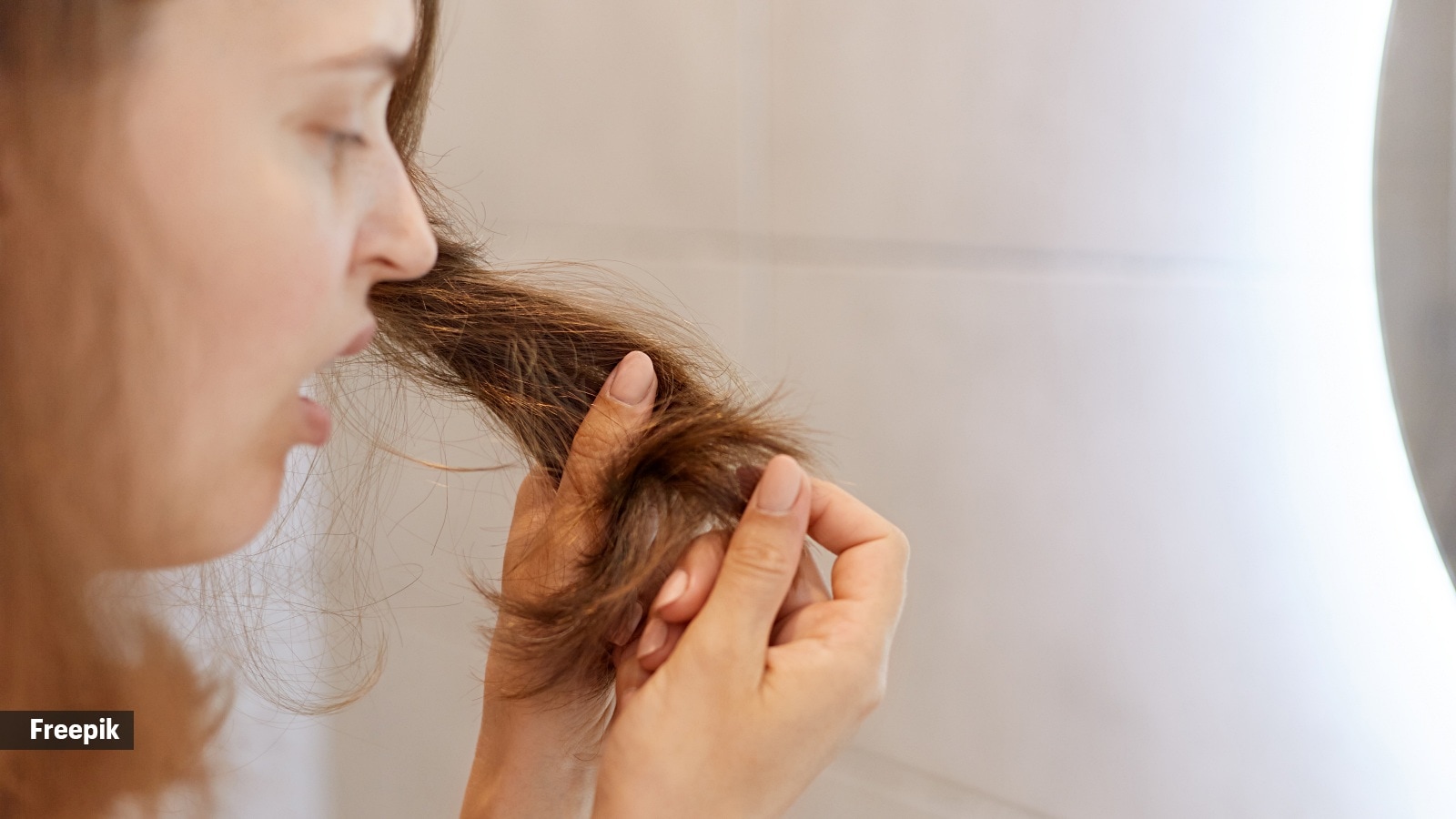

Split ends are a prevalent issue for many individuals, yet they are often misunderstood. People frequently turn to costly serums or home remedies in hopes of “repairing” their hair, but the question remains: what truly works?
To gain insight, we consulted with Dr. Shivani Yadav, a dermatologist and the Founder of Skin Avenue Clinic, who elaborated on the origins of split ends and the best strategies for managing them effectively.
Dr. Yadav notes that split ends, or “trichoptilosis” in medical terms, occur when the hair’s outer protective layer, known as the cuticle, is compromised. This damage results in the hair strand fraying, splitting into two or more sections. The doctor emphasizes that everyday habits often contribute to this condition.
“The primary culprits include excessive use of heat styling tools, regular chemical treatments, over-washing, the use of harsh shampoos, and environmental factors like sun exposure, pollution, and humidity,” she explains. Additionally, styles that pull hair tightly and the practice of rough towel-drying can gradually weaken the hair.
It is important to understand a common misconception regarding split ends. Dr. Yadav clarifies, “Once a hair strand has split, it cannot be permanently repaired.” While various products claim to “seal” split ends, they merely provide a temporary smoothing effect.
“The only true and long-term solution is to trim away the damaged sections,” she advises. Regular haircuts can prevent the split from moving further up the hair shaft, which can lead to additional breakage.
“While it’s not possible to reverse split ends, you can certainly manage and lessen their visibility,” assures Dr. Yadav. She suggests beginning with a gentle, sulfate-free shampoo, paired with a nourishing conditioner. Incorporating weekly deep conditioning masks can help replenish moisture, while a lightweight serum or leave-in conditioner can smooth the hair and minimize friction.
Limiting heat styling is also crucial. “Always apply a heat protectant when you do use heat tools,” she recommends. Switching to a wide-tooth comb and being gentle while detangling, especially when the hair is wet, can further reduce breakage.
Protecting your hair from environmental stressors is equally vital. Cover your hair during intense sun exposure or in polluted areas, and consider using silk or satin pillowcases to minimize friction during sleep. Furthermore, Dr. Yadav emphasizes the significance of nutrition. “A diet rich in protein, vitamins, and minerals is essential for supporting hair health from within,” she states, adding that staying hydrated and managing stress are also key factors in maintaining hair quality.
“While split ends cannot be repaired once they occur, they can be effectively managed and prevented with the appropriate care routine and professional advice. Healthy hair is the result of consistent care, good habits, and timely intervention,” concludes Dr. Yadav.