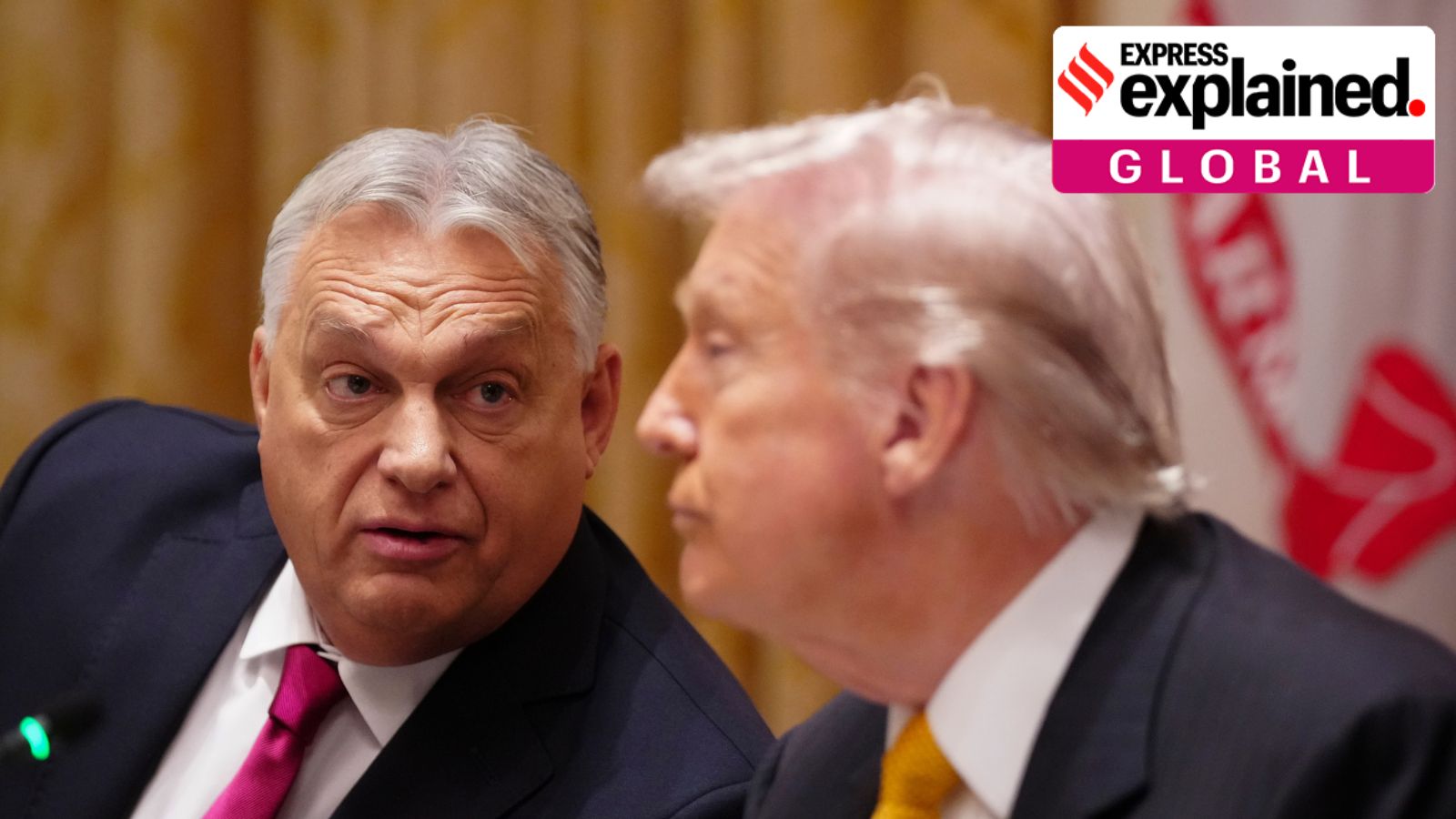

On Sunday, Hungary will hold what is being called its most pivotal election in the last twenty years. Viktor Orbán, who has been the Prime Minister for sixteen years and is known for his brand of “illiberal democracy,” faces the possibility of defeat. Orbán, a prominent figure in European politics and a known ally of Donald Trump, may be unseated this time around.
The election is drawing attention from key players including the United States, the European Union, and Russia. In a show of support for Orbán, US Vice President JD Vance visited Budapest, echoing Trump’s endorsement of the Prime Minister. During a rally, Vance played a recorded message from Trump, who praised Orbán as a “fantastic man” and urged voters to back him.
Throughout his tenure, Orbán has significantly altered Hungary’s political framework, implementing changes to the constitution, the judiciary, and media control, ensuring loyalty within all sectors of governance. While elections are conducted and opposition parties are permitted to campaign, the Fidesz Party, led by Orbán, has created an uneven playing field that makes it exceptionally challenging for challengers to succeed.
Recent years have seen Orbán’s popularity wane, primarily due to stagnant economic conditions and rising living costs, alongside allegations of corruption benefiting a select few. Additionally, scrutiny has intensified regarding the government’s ties with Russia, particularly after leaked recordings suggested collusion to obstruct Ukraine’s EU membership. Current polling indicates that the Fidesz Party is at 37%, trailing the opposition Tisza Party, led by former Fidesz member Peter Magyar, who stands at 50%, as reported by Reuters.
Magyar gained traction in 2024 after resigning from government roles in protest of the President’s pardon for an individual involved in a child sexual abuse cover-up. He positioned the current administration as prioritizing its grip on power over public welfare. The Tisza Party’s performance in the June 2024 European elections, where it garnered 30%, has bolstered its credibility as a viable alternative to Fidesz.
The stakes extend beyond Hungary’s borders. A potential shift in leadership could lead to a government more favorable to European integration and support for Ukraine, both of which Orbán has opposed. For Russia, losing Orbán as a key ally within the EU would be significant, as he has been a staunch supporter of Moscow’s interests.
However, even if Magyar secures victory, he faces a daunting path ahead. Achieving a supermajority is essential but currently seems out of reach. A Tisza-led government may encounter resistance from the Constitutional Court, which is heavily populated by Fidesz loyalists, potentially stalling or blocking legislative efforts.
Trump’s relationship with Orbán is among his most enduring and impactful political alliances. Orbán was the first EU leader to endorse Trump during his presidential campaign, sharing a mutual opposition to globalism and open borders. Their bond has strengthened over time, with multiple meetings, including visits to Mar-a-Lago and the White House.
This partnership has influenced the landscape of conservative populism in the United States, with the current administration’s strategies echoing Orbán’s governance style. In 2014, Hungary actively sought alliances with similar-minded groups in the US, leading to the establishment of think tanks that became hubs for American far-right ideologies, often hosting prominent nationalist figures drawn to Orbán’s assertive leadership. The annual CPAC conference has also taken place in Budapest for five consecutive years.
The culmination of this influence is seen in Project 2025, a contentious policy agenda that has shaped various initiatives within Trump’s administration. Scholars studying both political frameworks have noted striking similarities between early decisions made by Trump and those by Orbán. In a May 2025 interview, Princeton University sociology professor Kim Scheppele pointed out the parallels, stating that both leaders took similar initial steps to consolidate state power.
Orbán publicly acknowledged this connection in a 2024 speech, asserting that Hungary had integrated into the policy framework of Trump’s team. Trump reciprocated this sentiment by inviting Orbán to the White House, praising him as a “great leader” and endorsing his tough stance on immigration, which included derogatory remarks about refugees. Hungary has reportedly benefited from certain policies under Trump, such as exemptions from US sanctions on Russian oil and gas.
Nevertheless, Hungary has also faced challenges due to Trump’s tariffs, which have adversely affected key export sectors like automotive and electronics. Companies such as Audi and Mercedes have been significantly impacted. In an attempt to maintain good relations with Trump, Orbán diverged from EU leadership by voting against retaliatory measures last April.
The outcome of Sunday’s election will be closely monitored by the global right, as Orbán’s Hungary has emerged as a model for other nations, further emphasizing the broader implications of this electoral decision.