
The recent peace talks between Iran and the United States in Islamabad showcased an extensive delegation from both nations, aiming to address a two-decade-long conflict regarding Iran’s nuclear program, further complicated by emerging issues related to the control of the Strait of Hormuz and U.S. compensation for its military actions against Iran. Each delegation was bolstered by a considerable number of representatives, with Iran sending two planes filled with negotiators, including members of the Islamic Revolutionary Guard Corps (IRGC), to ensure that their field achievements were safeguarded during discussions. The Iranian team addressed various topics including political, legal, security, economic, and military matters, presenting a detailed 100-page technical document on nuclear facility safety.
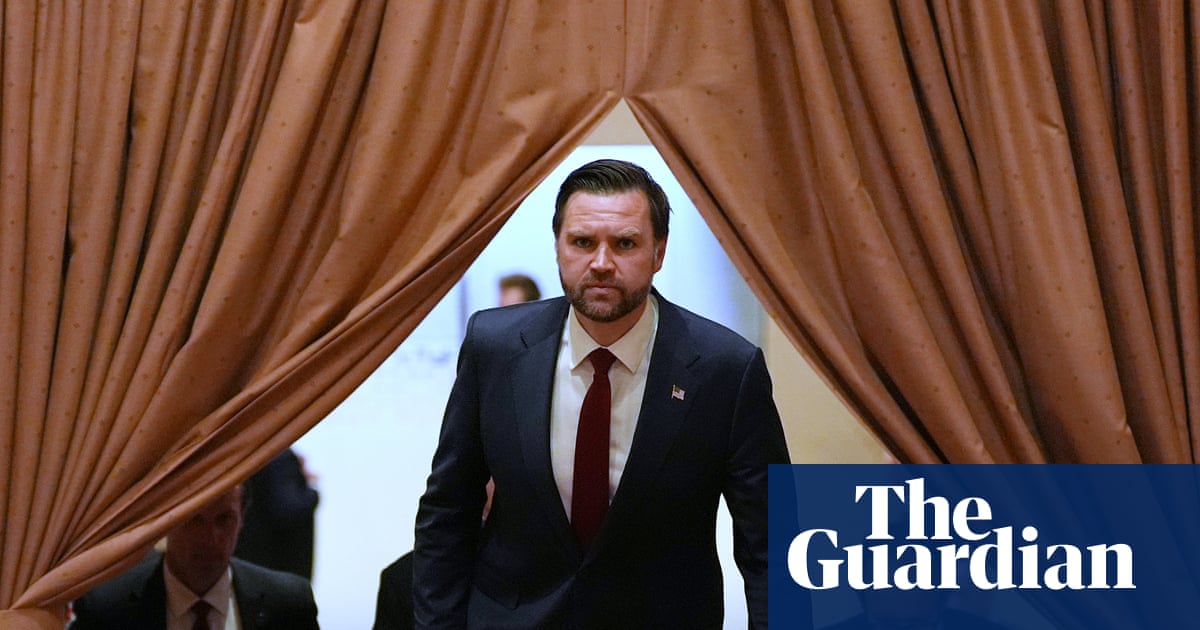
The U.S. delegation, accused of inadequate engagement in earlier talks, comprised not only Vice President JD Vance but also nearly 300 officials, indicating a newfound recognition of the Iranian negotiating team’s expertise. Key figures in the Iranian delegation included Ali Bagheri Kani, the deputy secretary of the supreme national security council and chief negotiator in prior talks, along with Abbas Araghchi, the foreign minister and former chief negotiator during the 2015 nuclear discussions.
During the negotiations, Vance maintained communication with former President Donald Trump multiple times and even reached out to Israeli Prime Minister Benjamin Netanyahu, a conversation that Araghchi suggested might have hardened the U.S. stance. However, many experts deemed it unrealistic to expect resolution on issues that had required two years of negotiation in Vienna between 2013 and 2015 to be settled in a single extended meeting.
Robert Malley, a seasoned participant in nuclear discussions under the Biden administration, remarked that if the intention was merely to reiterate demands previously rejected by Iran, the lengthy discussions were counterproductive. Another U.S. official, Aaron David Miller, criticized the administration’s expectations, suggesting that it fundamentally misunderstood the negotiating landscape if it believed Iran would concede on enrichment after only 21 hours of dialogue.
Vance’s comments about determining whether Iran could be persuaded to accept U.S. terms were criticized by former Iranian Foreign Minister Javad Zarif, who argued that such an approach reflects a persistent U.S. attitude of imposing terms. Zarif emphasized that negotiations cannot succeed on a unilateral basis and urged the U.S. to recognize that dictating terms is not a viable strategy with Iran.
The discussions’ outcome left questions regarding their continuation or conclusion. Pakistan, as the host and mediator, appealed for both sides to keep diplomatic avenues open rather than resorting to conflict. On the contrary, Israel’s Energy Minister Eli Cohen suggested that the absence of an agreement could justify military action against Iran.
Vance, however, expressed a more diplomatic tone, indicating that the U.S. was leaving with a straightforward proposal that would be their final offer, hinting at the possibility of ongoing negotiations. Meanwhile, Trump has indicated a plan to enforce a blockade on the Strait of Hormuz, aiming to leverage Iran’s oil exports as a negotiating tool, a move that Iranian diplomats warn could inflate global oil prices.
The primary objective of the talks appeared to be a test of resolve after nearly 40 days of conflict. Iran showed some flexibility prior to the talks, having not secured a complete ceasefire in Lebanon or the release of its frozen assets. Instead, Netanyahu has opted to engage in direct negotiations with Lebanon for the first time in three decades.
Iran’s goal during the negotiations was to draft a memorandum of understanding that would lead to a more comprehensive peace agreement over a longer timeline, suggesting an extension of the current ceasefire. However, Esmaeil Baghaei, spokesperson for the Iranian foreign ministry, acknowledged that the limited time in Islamabad made reaching a preliminary agreement unlikely, citing two or three fundamental unresolved issues. These include Israel’s military actions in Lebanon, governance protocols for shipping in the Strait of Hormuz, and the management of Iran’s enriched uranium stockpile.
Regarding Iran’s uranium enrichment rights, Vance stated that the U.S. requires a commitment from Iran not to pursue nuclear weapons or the means to develop them swiftly. The inclusion of the word “quickly” is notable, as enrichment at the limit of 3.67% purity, established in the 2015 nuclear deal, still leaves Iran far from producing nuclear-grade material. Presently, Iran’s capability to enrich uranium is non-existent due to prior U.S. attacks on its nuclear facilities, rendering the discussion of enrichment rights largely theoretical and focused on national sovereignty.
The future of the Strait of Hormuz remains a critical concern, exacerbated by the prior U.S. administration’s failure to consider Iran’s potential reactions to military provocations, which they anticipated would be short-lived.