
Authorities have successfully dismantled a blockade in central Dublin orchestrated by farmers and transporters protesting against rising fuel costs, indicating a potential resolution to six days of unrest that has unsettled Ireland.
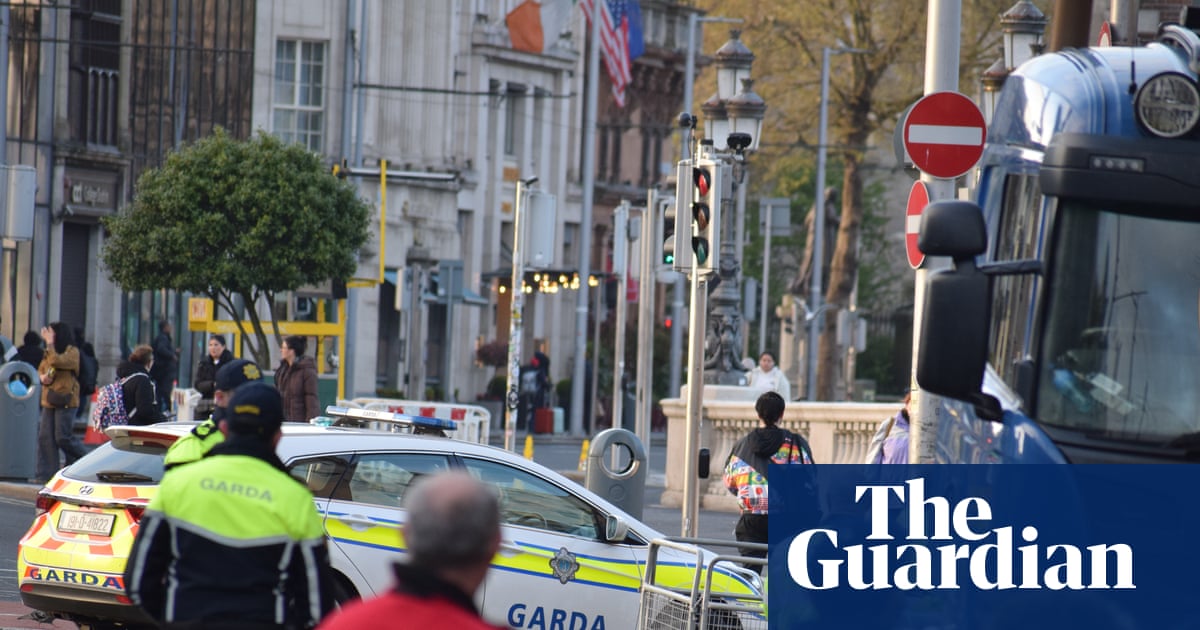
On Sunday morning, police, including mounted units and a significant number of officers, conducted a peaceful operation to clear O’Connell Street of trucks and tractors, restoring order to the busy thoroughfare.
In another effort to resolve ongoing protests, law enforcement also cordoned off an area in Galway, targeting a blockade at a fuel depot. These actions followed a series of coordinated protests that began on Saturday, when gardaí intervened at the Whitegate oil refinery in County Cork, leading to confrontations and the deployment of pepper spray.
Protesters at a fuel terminal in Foynes, County Limerick, announced plans to end their blockade at 1 PM on Sunday.
An emergency cabinet meeting was anticipated to approve initiatives aimed at alleviating fuel prices and addressing a political crisis that has created divisions within the government. Some leaders are advocating for a firm stance against what they label as “economic sabotage,” while others are pushing for a more conciliatory approach.
It remains uncertain whether the police interventions and proposed financial support, described as a carrot-and-stick approach, will successfully diminish protests that have demonstrated notable organization despite lacking a central leadership.
The protests, led by farmers, transport workers, and other groups, have resulted in significant traffic disruptions and hindered fuel distribution, a reaction to a 20% increase in fuel prices over the past month, influenced by the ongoing conflict in the Middle East that has prompted governments worldwide to consider price caps.
A recent poll published in the Sunday Independent revealed that 56% of voters expressed support for the protesters, a solidarity some analysts attribute to the broader cost of living crisis affecting many.
As blocked roads and highways reopened, many protesters who had spent nights in their vehicles appeared relieved to return home, though some voiced frustration over police actions, insisting that demonstrations would persist until their demands were addressed.
Christopher Duffy, a spokesperson for the protesters, asserted that their assembly had been entirely peaceful. He explained that the police threat to tow vehicles forced their withdrawal, as moving the trucks and tractors without the engines running could cause damage. “We have no choice. Financially, we have to move the vehicles,” he stated, calling on independent and rural lawmakers to reconsider their support for the ruling coalition of Fine Gael and Fianna Fáil. When asked if the protests had concluded, he replied, “I don’t think so.”
Another spokesperson, James Geoghegan, emphasized that the protests would continue until their objectives were met. “This protest does not end until the cost of living is lowered enough for us to operate,” he told RTÉ. “People can go home and regroup. Many are eager to rest for a day and return, as the issues remain unresolved.”
The cabinet meeting later that day was expected to endorse measures designed to assist the agriculture, transport, fishing, and other sectors heavily impacted by fuel prices. The government indicated that it would announce the details of these targeted and temporary measures only after the protests had concluded.