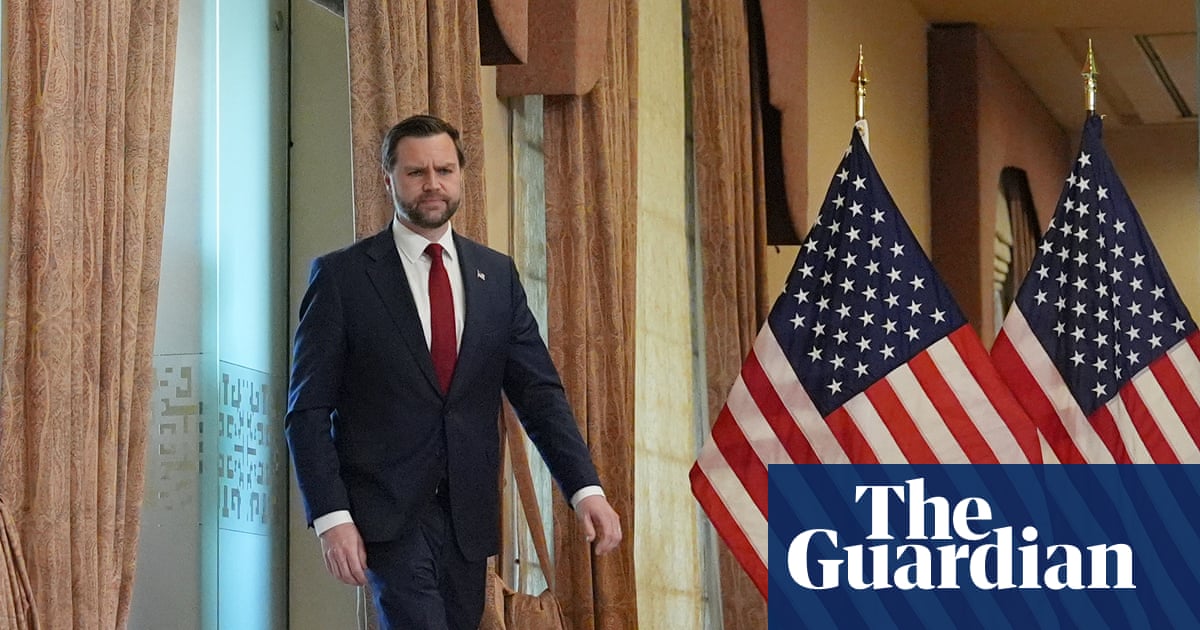

The Vice President of the United States, JD Vance, departed Islamabad on Sunday after extensive negotiations with Iran that lasted 21 hours, ultimately resulting in no agreement. Vance expressed disappointment over the lack of progress, indicating that Iran did not accept the U.S. conditions, which included a commitment to refrain from developing nuclear weapons.
“The unfortunate outcome is that we have not secured an agreement, and I believe this is more detrimental for Iran than it is for the United States,” Vance remarked. He emphasized, “We return to the U.S. without a deal, having clearly outlined our non-negotiable terms.”
Throughout the discussions, Vance maintained regular communication with President Donald Trump, reportedly reaching out at least six times. A major contention point was Iran’s nuclear program. “We require a definitive assurance that Iran will neither pursue nuclear weapons nor acquire the means to rapidly develop one,” he stated, underscoring that this goal aligns with the priorities of the U.S. President and the essence of their negotiations.
In response to the unsuccessful talks, Iran’s foreign ministry attempted to downplay the situation, suggesting that expectations for a single-session agreement were unrealistic. Spokesperson Esmaeil Baqaei noted, “It was clear from the start that we should not anticipate a resolution in just one meeting; no one harbored such hopes.” He expressed optimism that engagement with Pakistan and other regional allies would persist.
Iran’s Tasnim news agency pointed out that the U.S.’s “excessive” demands contributed to the breakdown in negotiations. As of now, neither the U.S. nor Iran has clarified the future of the 14-day ceasefire, which had been initially agreed upon by the U.S., Iran, and Israel. Pakistani Foreign Minister Ishaq Dar urged both parties to continue honoring the ceasefire and announced Pakistan’s intention to foster further dialogue between the two nations in the near future.
The recent discussions in Islamabad marked the first direct engagement between the U.S. and Iran in over ten years and represented the highest-level talks since the 1979 Islamic Revolution. The outcome of these negotiations could significantly influence the ongoing ceasefire and the reopening of the Strait of Hormuz, a critical route for approximately 20% of the world’s energy supplies that has been obstructed by Iran since the onset of the conflict, which has led to soaring global oil prices and numerous casualties.
During the meeting, Vance, along with special envoy Steve Witkoff and Jared Kushner, Trump’s son-in-law, met with Iranian officials, including parliamentary speaker Mohammad Baqer Qalibaf and Foreign Minister Abbas Araqchi, for an initial two-hour discussion before taking a break. The Iranian delegation, which arrived dressed in black to mourn the late Supreme Leader Ayatollah Ali Khamenei and other casualties of the conflict, brought with them items representing victims of a U.S. bombing that targeted a school adjacent to a military facility. The Pentagon has acknowledged that the strike is under investigation, with preliminary reports suggesting U.S. involvement.
According to a Pakistani source, the atmosphere during the negotiations fluctuated, with tensions rising and falling between the two parties. In preparation for the talks, Islamabad, home to over 2 million residents, was heavily secured, with thousands of paramilitary and military personnel deployed throughout the city. This diplomatic engagement marks a significant turnaround for Pakistan, which was considered a diplomatic pariah just a year ago.
As the negotiation process commenced, the U.S. military stated that it was “preparing the conditions” for operations aimed at clearing the Strait of Hormuz. This waterway is central to the ongoing ceasefire discussions, with the U.S. asserting that two of its warships had navigated through the strait, while Iranian state media denied such claims.
Prior to the commencement of the talks, an Iranian official informed Reuters that the U.S. had agreed to release frozen assets held in Qatar and other international banks, a claim that a U.S. official promptly refuted. Furthermore, Iran’s demands include control over the Strait of Hormuz, the payment of war reparations, and a comprehensive ceasefire across the region, including Lebanon, as reported by Iranian state media and officials. Additionally, Tehran seeks to collect transit fees for passage through the strait.
While Trump’s objectives have evolved, he continues to prioritize ensuring safe passage for international shipping through the Strait of Hormuz and dismantling Iran’s nuclear enrichment capabilities to prevent the development of nuclear weapons.