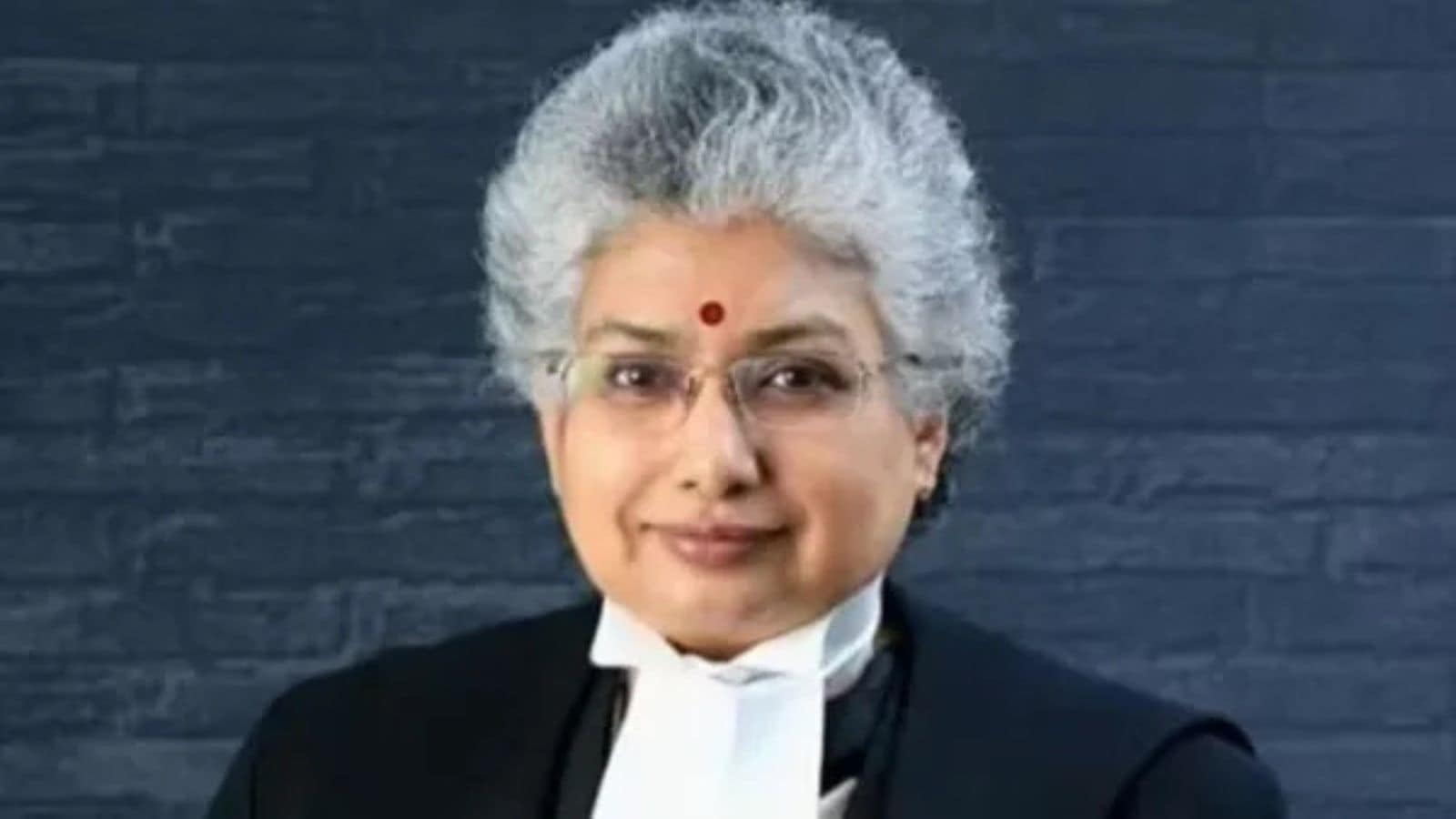

Highlighting a notable deficiency in India’s dispute-resolution system, Supreme Court Justice B V Nagarathna remarked that courts frequently hesitate to remove arbitrators accused of misconduct, particularly when these individuals are former judges or chief justices.
During an international conference hosted by the Indian Council of Arbitration at the Delhi High Court on Saturday, Justice Nagarathna emphasized the necessity for institutional safeguards to manage allegations of bias. She warned against viewing alternative dispute resolution (ADR) methods—such as arbitration and mediation—as a relaxation of legal standards, stressing the importance of maintaining rigorous discipline within these processes.
Addressing the practical challenges facing the system, she cited issues such as the enforceability of awards, delays, increasing arbitration costs, and a growing mistrust towards arbitrators and mediators. These obstacles, along with the persistent adversarial mindset of parties and their legal representatives, highlight the need for ADR mechanisms to continuously adapt to retain their credibility, she noted.
Justice Nagarathna asserted that ADR should not be considered a secondary option. She stated, “Disputes encompass more than just legal issues; they also involve social, commercial, and relational dimensions that may demand voluntary solutions rather than courtroom adjudication.” She argued that arbitration and mediation are essential parts of a modern and responsive justice system, rather than merely alternatives to litigation.
In her remarks, she pointed to the enactment of the Mediation Act of 2023 as a significant legislative advancement towards institutionalizing consensus-driven solutions, while also offering a frank evaluation of its current implementation. “I must admit that it needs to gain momentum,” she acknowledged. “Although the legislative framework is in place, active implementation remains lacking, as many provisions are yet to be notified. The Mediation Council of India has not been established, leading to reliance on various mediation centers across different states.”
Justice Nagarathna also expressed concern regarding the legal community’s interpretation of Section 12A of the Commercial Courts Act, which mandates parties to engage in pre-litigation mediation before initiating a commercial lawsuit. She insisted that this requirement should not be regarded merely as a formality to be observed just before filing a plaint, criticizing the practice where lawyers participate in mediation only to rush to file a plaint immediately afterward if mediation fails.
To mitigate protracted legal proceedings, the judge advocated for hybrid models such as “Med-Arb” (Mediation followed by Arbitration) and “Arb-Med-Arb”. In these sequential approaches, parties initially seek to resolve their disputes through mediation; should they be unsuccessful, an arbitrator then intervenes to render a binding decision. She highlighted the value of these models for their capacity to balance flexibility with certainty, allowing parties to pursue amicable resolutions without relinquishing the assurance of adjudication.
To strengthen India’s status as a credible global arbitration center, Justice Nagarathna emphasized the importance of sector-specific expertise. She noted that disputes in intricate areas like infrastructure, maritime, and technology necessitate arbitrators who possess not only legal knowledge but also an understanding of technical and commercial practices.