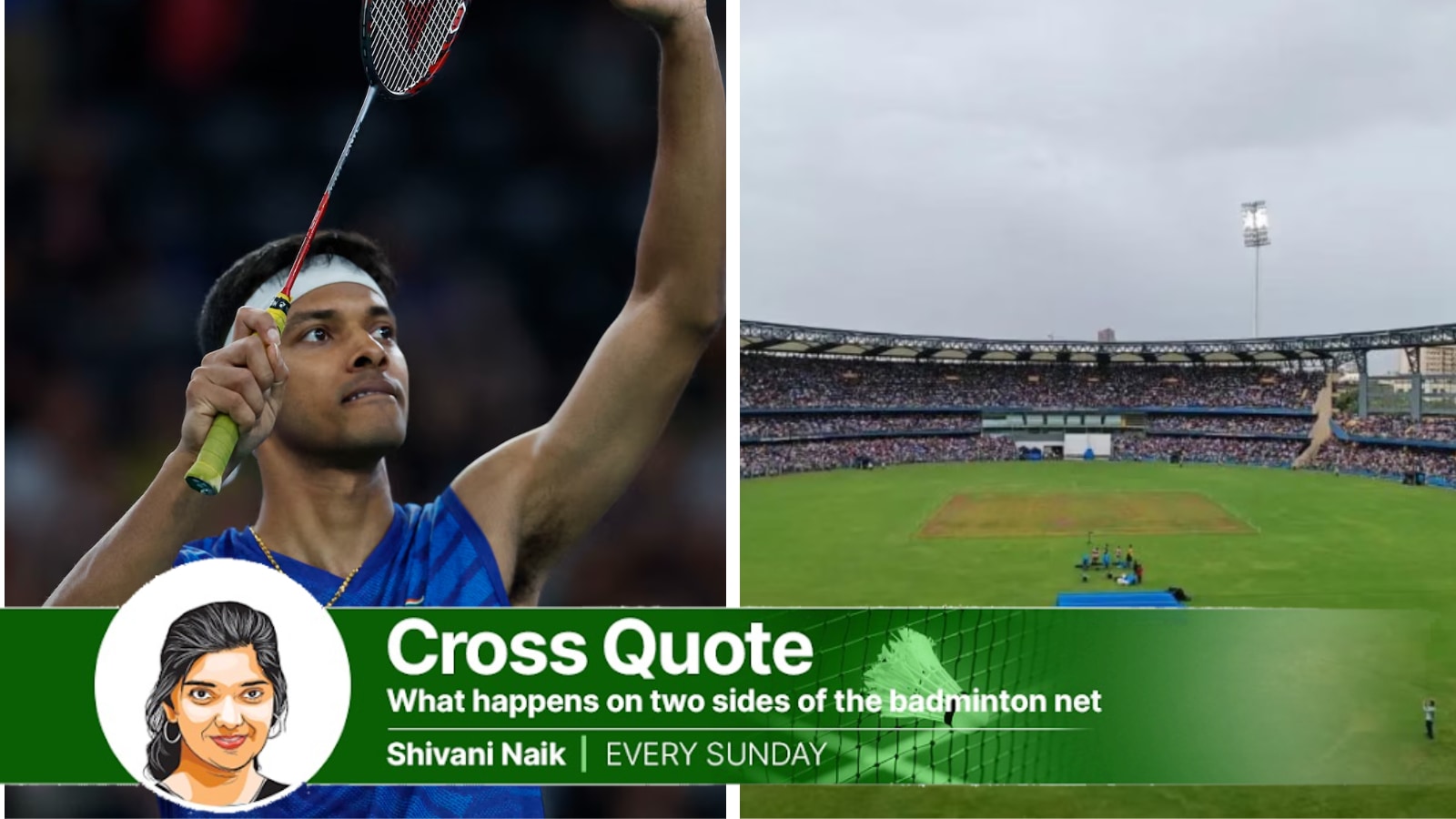

Chirag Shetty, a passionate advocate for cricket, embodies the spirit of Mumbai. Like many top athletes in India, he revels in the excitement of the sport and remains a dedicated player himself. However, despite his impressive credentials—being a former World No. 1, a two-time World Championship medalist, an Asian Games and Asian Championships titleholder, and a Thomas Cup champion in badminton—questions arise about the recognition he receives in a city that is synonymous with cricket.
This week, news emerged about Mumbai set to welcome a new, expansive cricket stadium that will accommodate over 100,000 spectators. This venue will join the ranks of the city’s existing cricket locations: Wankhede, Brabourne, DY Patil, and BKC. The decision seems driven by a desire to showcase the city’s stature as a cricketing hub, especially as other venues like Wankhede are deemed insufficient for hosting major ICC finals, which have increasingly been allocated to Ahmedabad.
Conversely, it is striking that Mumbai, a major financial center with affluent residents, lacks world-class facilities for various sports other than cricket. The city does not have top-tier venues for athletics, badminton, tennis, swimming, or multipurpose sports such as gymnastics and boxing.
For instance, the Dadoji Konddev Stadium in Thane, which has historically supported athletics, is now partly taken over for IPL team training, sacrificing four lanes of its track for cricket. Meanwhile, the Andheri Sports Complex remains underutilized for international competitions. Notably, Chirag Shetty, arguably Mumbai’s most accomplished international athlete at the moment, lacks access to a proper stadium that could host significant badminton events during his career peak.
The decline of Mumbai’s Anglo-Indian community, which once bolstered the Indian hockey teams, is evident, with facilities like Cooperage falling short of expectations for football. The lack of suitable training venues for track and field talent from areas like Thane-Mumbra and Govandi signifies a troubling trend, as the focus on cricket overshadows the needs of other sports.
Accessibility issues in sports have been exacerbated by private clubs and gymkhanas, which cater primarily to the affluent while excluding many aspiring athletes. High-end facilities in South Bombay serve a select few, with no significant venues available to showcase world-class badminton talent.
Mumbai has never been limited to a single sport, and a newly constructed cricket stadium will not fundamentally change that. Even the most ardent cricket fans recognize the importance of a diverse sporting culture. Individuals like Sunil Gavaskar and Sachin Tendulkar appreciate the value of badminton and other sports in the city.
While cricket enjoys immense popularity, the growing resentment stems from the neglect of other sports, which are crucial to the city’s sporting legacy. Chirag Shetty’s triumph in the Thomas Cup in 2022 represented a monumental achievement for badminton in India, comparable to winning the 2011 Cricket World Cup. Such victories should not be overshadowed or forgotten.
As the Asian Games approach, Shetty stands out as one of the few athletes representing the city, yet he lacks a dedicated badminton arena or a comprehensive multipurpose facility to call his own while cricket venues proliferate. This reality highlights a stark limitation for a city as vast and dynamic as Mumbai.
Shivani Naik, a prominent sports journalist and Assistant Editor at The Indian Express, is recognized for her expertise in Olympic sports, particularly badminton, wrestling, and basketball.
Professional Profile
Role: Assistant Editor and Columnist at The Indian Express.
Specialization: While her coverage spans various sports, she is the leading authority on badminton within the publication, also delving into tennis, track and field, wrestling, and gymnastics.
Writing Style: Naik’s work is defined by “technical storytelling,” where she dissects the biomechanics, strategies, and mental resilience of athletes. She often provides in-depth narratives that explore athletes’ personal journeys beyond their competitive achievements.
Key Topics & Recent Coverage (Late 2025)
Naik’s recent articles focus on the shifting dynamics of Indian sports as athletes gear up for the 2026 Asian Games and beyond:
Indian Badminton’s “Hulks”: She has highlighted a new generation of powerful Indian shuttlers like Ayush Shetty and Sathish Karunakaran, marking a departure from the finesse-based style traditionally associated with Indian badminton.
PV Sindhu’s Resurgence: Much of her late-2025 writing tracks Sindhu’s tactical adjustments under new coaching, focusing on her renewed vigor and technical refinements to overcome career challenges.
The “Group of Death”: In December 2025, she provided insightful tactical previews for Satwiksairaj Rankireddy and Chirag Shetty’s participation in the BWF World Tour Finals.
Tactical Deep Dives: She frequently examines emerging technical trends, such as the rise of “backhand deception” in contemporary badminton, and discusses the evolving landscape of the sport.