
Advocates for electric bicycles have expressed concerns that the newly proposed speed restrictions on shared paths will negatively impact legal e-bike users in Queensland. According to the latest legislative updates, all e-mobility devices will face a speed limit of 10 kilometers per hour on shared pathways, a regulation set to be implemented on July 1.
E-bike riders have indicated that these restrictions will significantly extend their commuting times. The legislation, introduced last month in state parliament, is part of a series of changes aimed at improving safety following various incidents involving e-mobility devices.
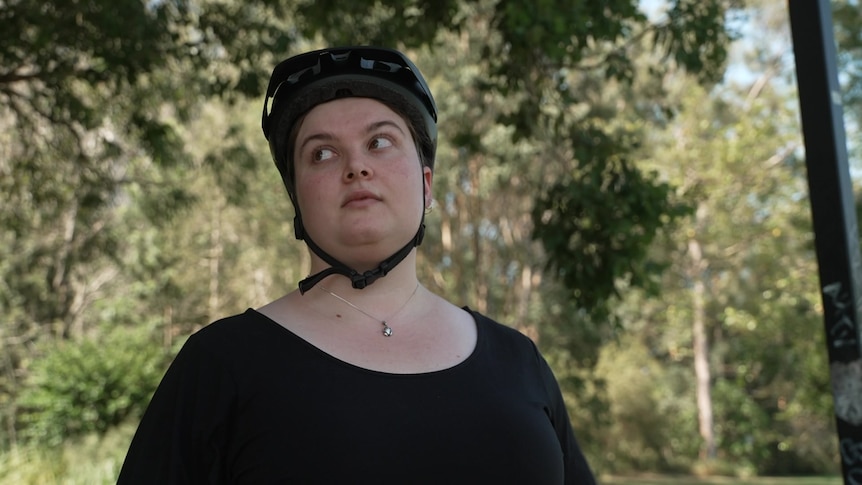
Laura Leighton, a cancer researcher at the University of Queensland, relies on her e-bike for commuting from her home in the southern suburbs of Brisbane. Without access to a car and having irregular working hours, she feels safer cycling than using public transport. However, she fears that the new speed limit will effectively double her commute time.
“The most troubling aspect is that adhering to a 10 km/h limit is physically challenging on a bike,” she stated. “I find myself constantly checking my speedometer, which makes it difficult to maintain balance. It increases the risk of startling pedestrians when trying to pass them at such a slow speed.”
The penalties for exceeding the new speed limits will also see a significant increase. Riders caught going just 1 km/h over the limit will face fines of $333, while those exceeding the limit by 11 to 20 km/h will incur a $500 penalty, and those exceeding it by 21 to 30 km/h will be fined $751.
The amendment bill justifies the reduced speed limit as a measure to enhance public safety and protect pedestrians, suggesting that it may prompt riders to choose routes more suitable for higher speeds. However, Ms. Leighton argues that this would push users onto Brisbane’s heavily trafficked roadways, an option she finds perilous.
“Riding on Brisbane’s roads can be quite frightening, especially during peak hours. I’ve experienced numerous near misses with cars and trucks,” she remarked. “Once these laws are enacted, my options will be severely limited.”
Matthew Burke, CEO of Bicycle Queensland, noted that the new speed limit will impact a significant portion of Brisbane’s cycling infrastructure. He emphasized that this legislation will affect many of the designated paths created for cyclists to avoid hazardous road conditions.
According to Mr. Burke, the new speed limits could result in an additional 30 minutes for e-bike commuters traveling from outer suburbs to the central business district, a change he believes will deter riders from complying. “People will either break the law, which we want to avoid, or they’ll be forced onto dangerous roads,” he said.
In a report on speed management for shared paths published in August 2020, the Department of Transport and Main Roads indicated that imposing speed limits tends to incur high costs with minimal benefits. The report argued that there is insufficient rationale for enforcing such regulations and advocated for better guidance regarding safe riding practices.
Mr. Burke also highlighted that over 200,000 legal e-bikes in Queensland would be impacted by the impending legislation. “We’re making it increasingly difficult for residents to ride a safe, compliant e-bike just as there is a growing interest in affordable, door-to-door mobility solutions,” he stated.
While his organization supports measures to regulate “overpowered, illegal devices,” Mr. Burke pointed out that there is a pressing need for effective regulation of hazardous e-bikes currently on the streets.
In response to the situation, Queensland’s transport minister, Brent Mickelberg, stated that the government is committed to making challenging decisions regarding transportation safety. “The previous administration was responsible for introducing illegal e-scooters and e-bikes, while we are focused on removing them,” he asserted.
Ms. Leighton concluded that the new laws fail to address the core issues. “We recognize the problems posed by non-compliant e-bikes and share the desire to keep them off our streets,” she said.