
The inability of the United States and Iran to finalize a peace agreement following extensive negotiations has heightened concerns in the markets regarding potential increases in oil and gas prices.
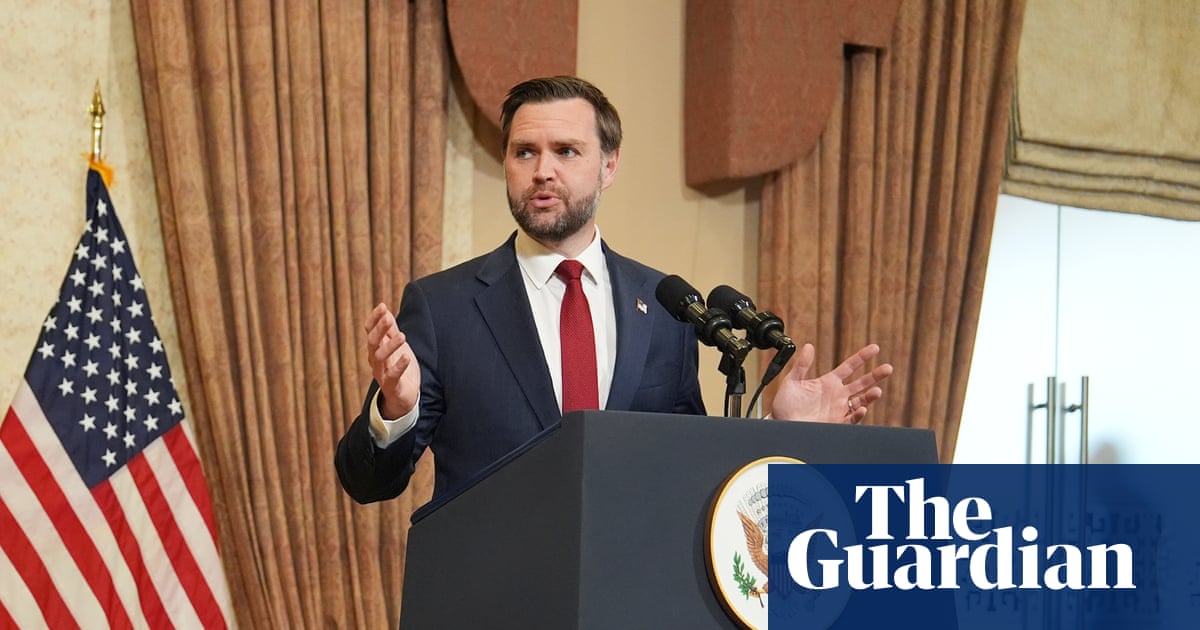
A significant number of oil tankers remain stranded in the Gulf, and U.S. Vice President JD Vance attributed the breakdown of discussions to Tehran’s unwillingness to disband its nuclear weapons initiative. Conversely, Iranian representatives criticized what they termed as “excessive” demands from the U.S.
Vance concluded a 21-hour dialogue with Iranian officials in Islamabad on Sunday morning, stating that his team had clearly defined their non-negotiable points as hopes for a swift resolution to the conflict, which commenced on February 28 with U.S. and Israeli airstrikes on Tehran, diminished.
Market activity over the weekend suggested a rise in U.S. crude oil prices, with the brokerage IG predicting an increase to approximately $98 per barrel when trading resumes on Sunday night, up from around $96.50 prior to the peace discussions.
Tony Sycamore, a market analyst at IG Australia, commented, “Unless there is a sudden change in direction, energy markets are poised for a tumultuous start when trading begins on Monday.”
Analysts at JPMorgan Chase anticipate that oil prices will remain elevated in the second quarter, potentially exceeding $100 per barrel, before experiencing a decline in the latter half of the year.
Last week, oil prices experienced significant volatility, dropping below $100 per barrel on Wednesday following the announcement of a two-week ceasefire, ultimately closing the week lower, with Brent crude settling at $94.26 per barrel, down from a peak of $119.45 during the conflict and approximately $72 before hostilities began.
Former President Donald Trump stated on Sunday that the absence of a deal would result in U.S. ships blockading the Strait of Hormuz, which has been effectively shut down by Iran, and whose reopening was part of the ceasefire arrangement reached on Wednesday.
Iranian Deputy Parliament Speaker Haji Babaei emphasized to the Mehr news agency that the shipping route is “completely” under Iranian control, asserting that tolls must be paid in Iranian rials.
In a detailed post on Truth Social, Trump declared that the U.S. would commence “BLOCKADING any and all ships attempting to enter, or exit, the Strait of Hormuz.” He added that the U.S. navy would begin “destroying the mines laid by the Iranians in the straits,” warning that any Iranian aggression toward U.S. forces or “innocent vessels will be met with severe retaliation.”
Governments are increasingly anxious about the long-term ramifications of rising inflation, which has followed the surge in oil and gas prices since the conflict began. Central banks have indicated that previous predictions of interest rate cuts may need reevaluation, with market expectations shifting toward potential rate hikes. Ireland has witnessed social unrest, with protests erupting in Dublin last week and continuing into the weekend over escalating living costs.
Mohamed El-Erian, an advisor to Allianz and a former president of Queens’ College at the University of Cambridge, noted that uncertainty will continue to overshadow assessments regarding the war’s financial repercussions. He remarked, “While both parties indicated that a swift agreement was overly optimistic given the complexities involved, neither side clearly outlined the next steps, which will be closely monitored globally, especially as Israeli assaults on Lebanon persisted over the weekend.”
El-Erian further stated, “In the absence of a rapid resumption of negotiations, financial markets are likely to react by pushing oil prices and borrowing costs higher when they open for the trading week. The degree of the stock market sell-off, where investor sentiment has been more optimistic compared to other asset classes, will depend on perceptions of a feasible path toward further diplomacy. For the UK, this situation translates into another blow to the cost of living and diminished options for fiscal and monetary policy responses.”
The week began with Trump issuing dire threats to Iran, claiming that “a whole civilization will die tonight, never to be brought back again” through bombings of critical infrastructure. However, he retracted his aggressive stance on Wednesday following the hastily arranged two-week ceasefire brokered by Pakistan.
Global stock markets saw a rebound after the ceasefire announcement. By week’s end, the S&P 500, which tracks leading U.S. companies, was nearing its pre-conflict levels and remained stable year-to-date.
In an effort to mitigate potential oil price increases, Saudi Arabia announced the restoration of its east-west oil pipeline and other facilities that had been damaged by Iranian attacks on Gulf infrastructure.
The official Saudi Press Agency reported that these attacks resulted in a loss of approximately 700,000 barrels per day in pumping capacity through the east-west pipeline, with efforts underway to restore full production capacity at the Khurais oilfield.
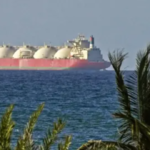
During the Islamabad discussions, shipping data revealed that three fully loaded supertankers passed through the Strait of Hormuz on Saturday, presumably en route to China. These vessels were the first to depart the Gulf since the ceasefire agreement.
Wei Yao, an economist with Société Générale, expressed that even if the ceasefire deteriorates, it is more likely that the immediate outcome will involve messy non-compliance and low-level retaliatory actions, rather than a swift escalation. He indicated that for the global economy, this suggests ongoing disruptions, as the normalization of oil and liquefied natural gas (LNG) flows would be gradual.
The effects of the war on the global economy will be a focal point during the upcoming spring meetings of the International Monetary Fund and World Bank in Washington, which commence on Monday. Kristalina Georgieva, the IMF’s managing director, has signaled that the fund will present three different scenarios this week, all projecting lower economic growth and higher inflation rates. The IMF is also expected to address the implications for vulnerable economies.