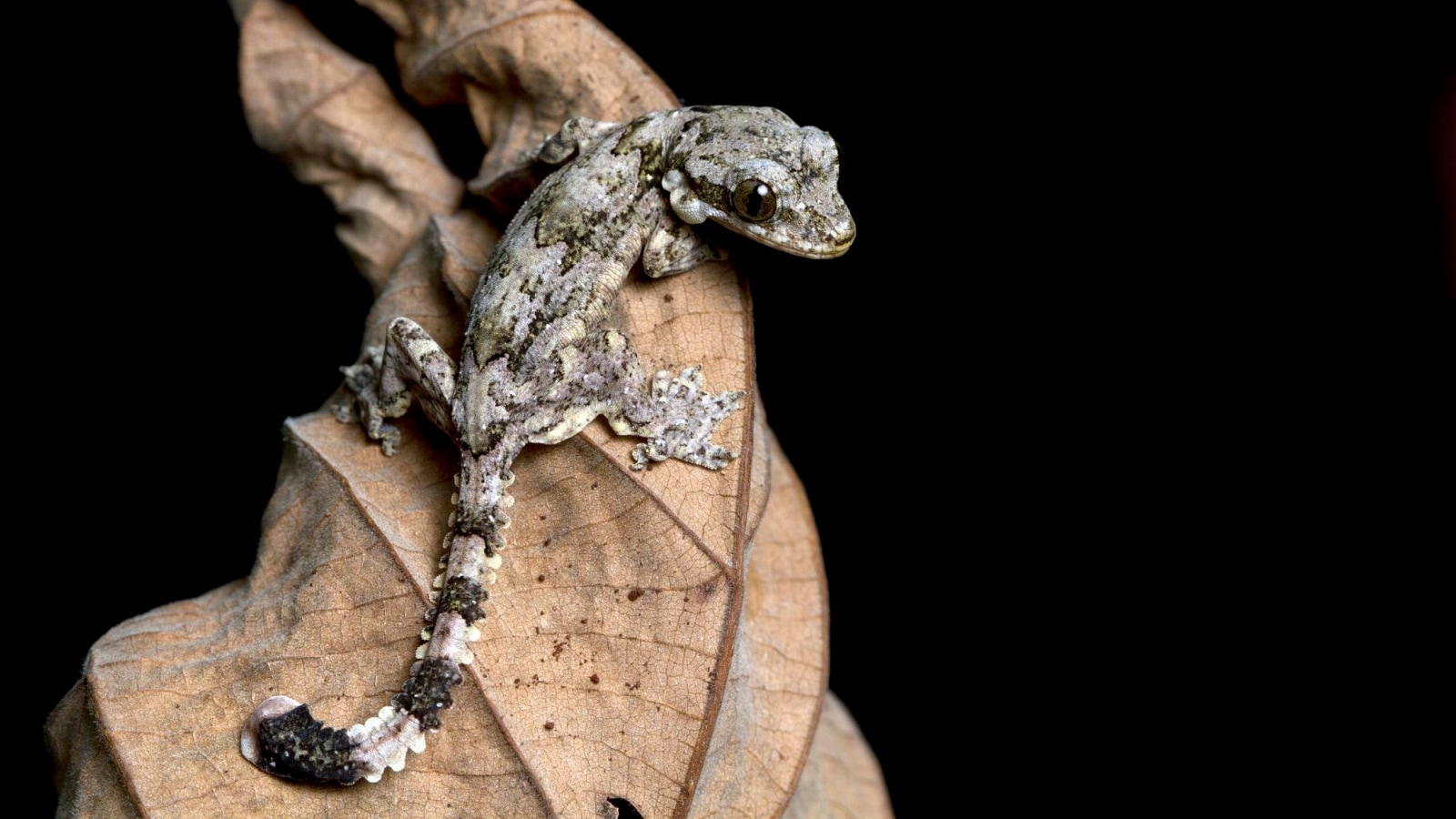

Lizards frequently inhabit many households across India, particularly during the warmer seasons. Although they pose no threat and assist in managing insect populations, their presence is not welcomed by everyone. Fortunately, certain plants can help keep these reptiles at bay due to their potent fragrances and natural properties.
Here are five plants that can be effective in discouraging lizards from entering your home and garden:
1. Peppermint: This plant emits a strong and refreshing aroma that humans find enjoyable, but lizards find overwhelming.
Mechanism: Its intense scent interferes with lizards’ sensory perception.
Placement: Ideal locations include near windows, balconies, and kitchen corners.
Additional benefits: It also helps repel ants and mosquitoes.
2. Lemongrass: Known for its citrusy scent, lemongrass includes citronella, a well-known natural insect repellent.
Mechanism: By deterring insects, it reduces the food supply available for lizards.
Placement: Best suited for garden borders and entryways.
Additional benefits: It requires minimal care and can be used to brew tea.
3. Tulsi: A common plant in Indian households, tulsi is reputed for its ability to repel various pests, including lizards.
Mechanism: Its strong aroma serves as a natural repellent.
Placement: Position it near doors, windows, or areas that receive sunlight indoors.
Additional benefits: It is valued for its medicinal properties and ability to purify the air.
4. Garlic: The sharp scent of garlic is notably effective in deterring lizards.
Mechanism: Sulphur compounds present in garlic repel these reptiles.
Placement: Plant in pots near entry points or within kitchen gardens.
Tip: Crushed garlic cloves can be used for a more potent effect.
5. Onions: Similar to garlic, onions release a strong odor that lizards tend to avoid.
Mechanism: The sharp scent can irritate their sensory systems.
Placement: Effective near cracks, windows, or in dark corners.
Tip: Combining onions with garlic can enhance results.
While these plants can assist in repelling lizards, they should not be viewed as a standalone solution. Lizards are often attracted to environments with insects, moisture, and potential shelter. For optimal results, consider addressing these factors as well.