
The recent breakdown of negotiations between the United States and Iran in Islamabad on April 11-12 was anticipated, given the rigid stances adopted by both parties. Nonetheless, the mere act of engaging in discussions after 47 years was regarded as a significant diplomatic achievement.
In diplomatic terms, dialogue is typically viewed as a process aimed at establishing a framework for negotiations, reducing tensions, and stabilizing the conversation’s direction, rather than focusing solely on immediate results.
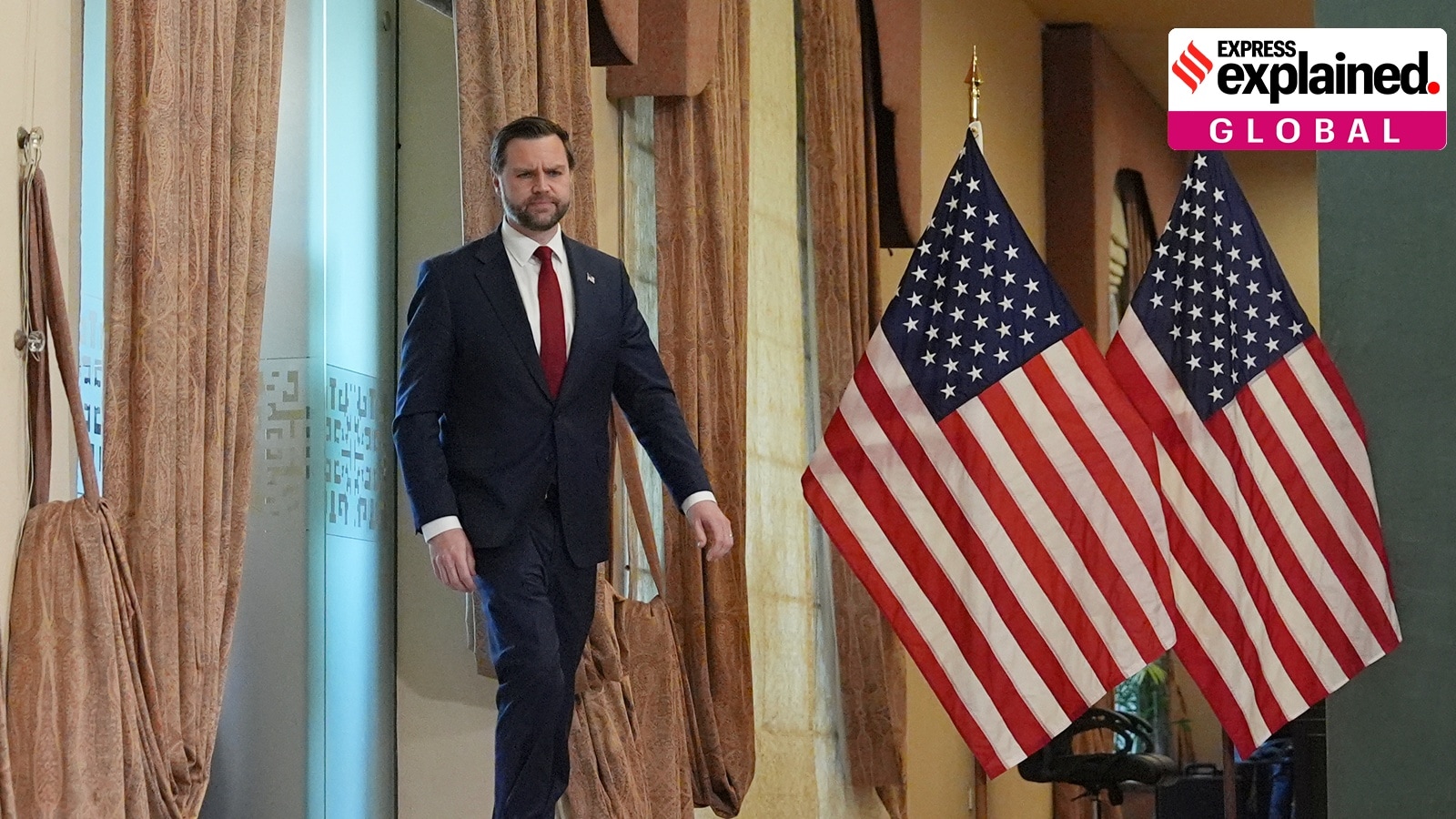
The high-ranking delegations, with the U.S. team led by Vice President JD Vance and Iran represented by Assembly Speaker Mohammad Bagher Ghalibaf and Foreign Minister Abbas Araghchi, underscored the seriousness of both sides in pursuing negotiations.
However, the talks encountered a stalemate due to stark differences in their respective positions. Iran sought a comprehensive agreement that included a ceasefire in Lebanon, relief from sanctions, the unfreezing of approximately $120 billion in assets, sovereignty over the Strait of Hormuz, acknowledgment of its regional influence, and security guarantees. On the contrary, the U.S. aimed for a more limited agreement focused on rolling back Iran’s nuclear program, controlling around 440 kg of enriched uranium, ensuring access to the Strait of Hormuz, and adopting a gradual approach to sanctions and asset release.
The lack of trust between the two nations proved to be a significant barrier. Past experiences, especially regarding the Joint Comprehensive Plan of Action (JCPOA) and its subsequent collapse, have cast a long shadow over any attempts at engagement with the U.S.
Domestic political pressures also play a crucial role. In Iran, yielding to external demands could jeopardize the regime’s legitimacy, while the leadership has repeatedly stated its unwillingness to negotiate under duress. In the U.S., any perceived concessions could provoke political backlash. Additionally, Israel’s firm opposition to any agreement that does not effectively limit Iran’s nuclear capabilities adds another layer of pressure on the U.S. administration.
Following the unsuccessful talks, both parties issued statements aimed at clarifying their positions and placing the onus on the other side. On April 12, Vance announced that after extensive discussions lasting 21 hours, his team would depart Pakistan without a deal. He emphasized that the U.S. had presented its final proposal and expressed the need for Iran to commit to not pursuing nuclear weapons.
Meanwhile, Iranian state media reported that the negotiations failed due to what they deemed unreasonable demands from the U.S. Ghalibaf remarked that it was time for the U.S. to decide if it genuinely wanted to earn Iran’s trust.
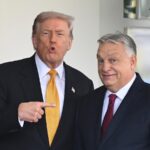
Outside the White House, President Donald Trump told reporters that the outcome of the negotiations was inconsequential, asserting, “Regardless of what happens, we win.” He further threatened to impose a blockade on the Strait of Hormuz.
The failure of the talks is likely to increase tensions surrounding the ceasefire. Both nations may resort to aggressive posturing as a form of deterrence, which could lead to further escalations. While full-scale war is something both parties wish to avoid, the situation may devolve into confrontations in the so-called gray zone.
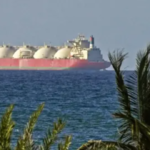
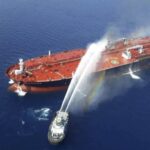
With no diplomatic resolution in sight, energy markets are expected to experience heightened volatility due to uncertainties surrounding the Strait of Hormuz. Even a minor threat to oil supply could trigger spikes in prices and subsequent inflationary pressures.
Looking ahead, it is challenging to predict the next steps for Iran and the U.S. However, a controlled escalation of conflict seems probable. With the Strait of Hormuz emerging as a focal point of tension, U.S. military operations are likely to concentrate on this strategic waterway. Any military actions by the U.S. in the region are expected to be met with resistance from Iran, raising the stakes even further.
In addition to military tensions, there may be a potential for a reset in negotiations, with both sides exhibiting some flexibility in their current positions. The U.S. might consider limited sanctions relief and the unfreezing of certain assets in exchange for Iranian cooperation regarding the ceasefire in Lebanon and concessions related to the nuclear issue.
While the risk of conflict escalating into a full war remains low, significant miscalculations could change that dynamic. China and Russia continue to play a cautious role in the unfolding situation, mindful of their superpower rivalry. Control over crucial chokepoints, such as the Strait of Hormuz, represents a new geopolitical reality. Meanwhile, India is actively engaging with Gulf nations to stabilize its political and maritime interests in this evolving landscape.
Ultimately, diplomacy remains the most viable option moving forward. The breakdown of talks in Islamabad stemmed from a clash of expectations rather than a lack of communication. Both nations are seeking a way out without making substantial concessions. The door to diplomacy remains ajar, even though the strategic divide is considerable and the political costs of bridging that gap are high. The global community is keenly observing how this complex situation will unfold and how long economic uncertainties will persist.