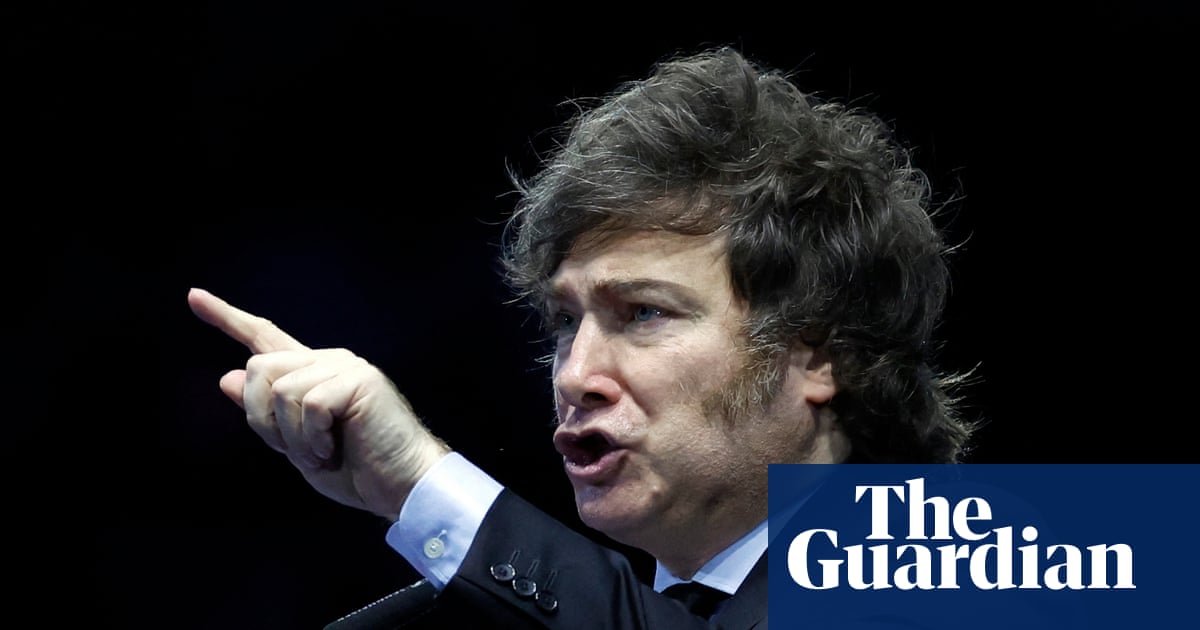

Javier Milei, the President of Argentina, is currently experiencing the lowest approval ratings since he assumed office in 2023, following recent allegations regarding a $5 million financial deal linked to his endorsement of a contentious cryptocurrency project last year.
This controversy has negatively impacted the perception of cryptocurrency in Argentina and hindered the aspirations of industry advocates who considered the nation a promising environment for digital currency development.
Milei’s promotion of cryptocurrency, coupled with the accusations of substantial bribery, coincides with dire economic conditions facing ordinary Argentinians. The libertarian leader has implemented stringent austerity measures aimed at controlling previously unchecked inflation, which has led to a recession and increased poverty levels. While the country shows signs of recovery, the once-optimistic perspective held by crypto proponents, including Milei, stands in stark contrast to the current economic realities. Consequently, the integration of cryptocurrency into the mainstream financial framework has slowed due to these events.
On February 14, 2025, Milei expressed his support for the $Libra token, a niche cryptocurrency claimed to be fostering economic growth in Argentina. Following his endorsement, the token surged to a peak price of $5, only to swiftly collapse to below $1, resulting in a loss of approximately $250 million for 13,000 investors.
The recently disclosed financial agreement, first reported by the investigative outlet El Destape, undermines Milei’s assertion that he had no ties to the organizers of $Libra and that he merely stumbled upon the cryptocurrency online, deciding independently to promote it.
Before these new revelations, advocates of cryptocurrency in Argentina, along with notable global figures, had been working to position education and regulation as essential tools to prevent future scams. However, their efforts to reshape the regulatory landscape may now be met with increased challenges, given that the public perception of cryptocurrency is now closely linked to Milei’s alleged corruption and declining approval ratings, although Milei has previously managed to overcome scandals.
The financial agreement, retrieved from the phone of crypto lobbyist Mauricio Novelli by state investigators, reportedly details payments of $1.5 million, $1.5 million, and $2 million made in three installments to entities associated with Milei.
According to the Argentinian newspaper La Nación, call records indicate that Milei spoke with Novelli at least five times in the moments leading up to his endorsement of $Libra. During these calls, Novelli was in Texas with colleagues involved in the $Libra initiative, including an American crypto entrepreneur who was supposedly set to be appointed as an adviser to Milei, as per the terms of the financial deal.
Shortly after Milei’s endorsement of $Libra and amidst growing demands for an official investigation, Vitalik Buterin, the founder of Ethereum, made a public appeal to Milei via social media. He stated that recent developments highlighted the critical importance of education, and suggested that hosting Devconnect, the inaugural global conference for Ethereum stakeholders, in Argentina could provide a valuable opportunity to showcase the positive aspects of cryptocurrency. Milei responded positively on social media, calling the event a significant honor for Argentina. However, the Ethereum Foundation, which manages Devconnect and has Buterin on its board, did not provide any comments.
Following Milei’s election in 2023, which marked the rise of a pro-crypto libertarian leader, advocates saw a chance to broaden the scope of cryptocurrency in a nation eager for investment. They viewed Argentina’s turbulent political and economic landscape as a “perfect storm” for crypto growth.
The rampant inflation had devalued the national currency against the U.S. dollar, prompting many citizens to turn to cryptocurrency as a more stable means of preserving value. In 2024, Argentinian crypto entrepreneurs and supporters formed Crecimiento, now the leading crypto advocacy group in the country, aiming to secure business-friendly regulatory reforms.
Members of the Argentinian crypto community have expressed that Milei’s $Libra controversy has damaged the industry’s reputation. They viewed the upcoming Devconnect as a key opportunity to rehabilitate the sector’s public image by demonstrating the positive aspects of cryptocurrency, which could potentially encourage regulators to re-engage and pursue favorable changes.
Crecimiento’s influence in Argentina, particularly through its public initiatives, caught the attention of the Devconnect organizers, as noted by Emi Velazquez, an entrepreneur and former director of the organization. One member of Crecimiento even played a role in securing special visa privileges from the Argentinian government for conference attendees, which was a vital factor in the decision regarding the conference’s location. The event also established expedited customs processing for attendees at the airport.
As the Devconnect event approached in November 2025, organizers and local crypto platforms worked to promote the adoption of cryptocurrency. Sales representatives for various crypto applications encouraged local businesses, including restaurants, to accept crypto payments prior to the arrival of the wealthy cryptocurrency attendees in Buenos Aires, with these businesses being featured in the official travel guide as crypto-friendly options. One poster in the vicinity stated, “The next financial revolution starts here, not on Wall Street.”
Ultimately, the conference attracted over 17,000 participants from around the world. Ethereum leaders, including Buterin, delivered keynote speeches, with Buterin donning a shirt that featured the pygmy hippo Moo Deng. His address highlighted the distinctions between Ethereum and the failed FTX exchange.