
This week, finance ministers and governors of central banks from around the globe convene in Washington for the biannual meetings of the International Monetary Fund (IMF) and World Bank, as the world economy faces significant challenges.
Since the establishment of the Bretton Woods institutions at the end of World War II, few global conflicts have incited such economic instability. The turbulent 1970s come to mind, but the recent US-Israeli conflict involving Iran, occurring in the aftermath of the COVID-19 pandemic and Russia’s invasion of Ukraine, has escalated tensions to unprecedented levels.
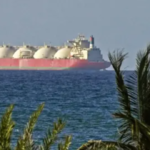
Even if a lasting peace agreement is eventually achieved in the Middle East, the economic ramifications will likely be long-lasting. Prior to these events, living standards in developed nations were already stagnating. The recent six weeks of bombings by the US and Israel, along with Iran’s responses—including the strategic closure of the Strait of Hormuz—have intensified strain on households that were already facing difficulties. This marks the most significant energy crisis of recent times, with oil and gas prices soaring, inflation increasing, borrowing costs rising, and food security concerns mounting.
Unlike tariffs, which can be reversed through judicial or executive actions, the consequences of military operations are irreversible. In addition to the human toll, the conflict has caused extensive damage to infrastructure, which will require years for recovery. Consequently, insurance rates are expected to remain high, and overall confidence in the economy has been severely undermined.
As hopes for de-escalation emerge with ongoing US-Iran discussions in Pakistan, there has been a slight decline in global oil prices. Brent crude has dropped from nearly $120 per barrel at the height of the conflict, yet it still exceeds the $72 mark prior to the hostilities.
While uncertainties persist, experts are cautioning that economic instability seems inevitable due to the turmoil in the Middle East, a crucial region for global energy supplies. Though Donald Trump once threatened to obliterate “a whole civilization,” it is this very region that is vital for the world’s energy dependence.
Consequently, the IMF is expected to revise its growth projections downward for 2026, as indicated in its forthcoming world economic outlook. Across all scenarios, growth is anticipated to be slower, and inflation higher, impacting households globally, particularly the most impoverished.
Notably, the IMF suggested that absent the conflict, it might have raised its growth estimates instead of lowering them.
Other significant threats to economic prosperity also loom large. Geopolitical tensions continue, inequality remains pervasive, and the costs associated with climate inaction are rising. However, prior to the initiation of airstrikes on Tehran, global growth demonstrated remarkable resilience in the face of Trump’s trade war, aided by a surge in AI-driven investments, declining inflation, and improving financial conditions.
During this week’s IMF and World Bank meetings, the primary focus will be on mitigating the economic fallout. Kristalina Georgieva, managing director of the IMF, has urged delegates to collaborate, warning against unilateral actions like protectionist measures, price controls, and export restrictions, which may seem appealing but would likely exacerbate the situation. “Do not add fuel to the fire,” she cautioned last week.
However, the world is increasingly divided. Following the economic upheavals since the 2008 financial crisis, nations are burdened with high debt, limiting their ability to respond effectively. Additionally, the push for increased defense spending has resulted in difficult decisions for governments.
The IMF has advised that any energy assistance should be both targeted and temporary to minimize the financial burden of blanket support, thereby avoiding the distribution of funds to affluent households and worsening inequality. Nonetheless, delineating these boundaries in the ongoing conflict is expected to be challenging.
For central banks, the IMF emphasizes the importance of vigilance. Without the conflict, interest rates would likely be decreasing this year. However, financial markets anticipate that rates will either remain steady or increase to combat persistent inflation.
In addition to economic dilemmas, many finance ministers arriving in Washington also confront political challenges. Progress on improving living standards has stagnated in advanced economies over the last twenty years, leading to growing impatience among voters. The rise of populism, offering simplistic solutions to complex crises, is a significant factor contributing to the current global unrest.
Ironically, those convening in Washington will find themselves in institutions established to foster international cooperation, situated in a capital often characterized by unilateral actions.
This situation presents a modern economic Gordian knot. The intertwining issues of economic and political instability suggest that stronger economic growth could alleviate some of the burdens of high debt and public dissatisfaction. Yet, governments globally are lacking the resources needed to address these challenges effectively.
Founded nearly eighty years ago to prevent a recurrence of the dire economic conditions that led to World War II, the IMF, World Bank, and other international organizations now face one of their most formidable tests.