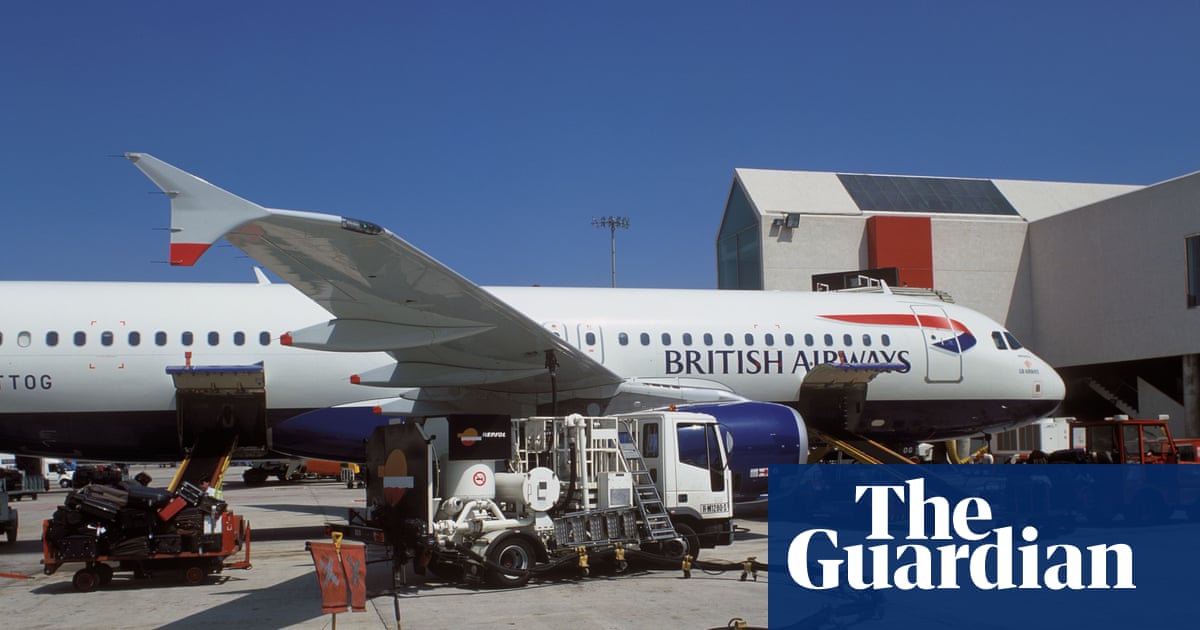

According to the director of a global energy oversight organization, Europe is facing a critical situation with only six weeks’ worth of jet fuel remaining, which could lead to shortages due to the ongoing conflict in Iran.
Fatih Birol, the executive director of the International Energy Agency, warned that flight cancellations could occur “soon” if oil supply disruptions from the Middle East are not resolved in the near future. He indicated to the Associated Press that certain flights could be affected due to insufficient jet fuel availability.
The conflict between the US and Israel against Iran has significantly disrupted global energy markets since hostilities escalated at the end of February. In response, Iran has nearly shut down the Strait of Hormuz, an essential passage for oil exports from the region.
Despite a temporary two-week ceasefire agreed upon last week between the US and Iran, negotiations to end the conflict stalled over the weekend, although indirect discussions facilitated by Pakistan are ongoing.
Brent crude oil futures, a key global pricing indicator, are currently over 30% higher than they were prior to the onset of the conflict, placing additional pressure on US President Donald Trump. Although there have been no immediate jet fuel shortages yet, as shipments that left before the conflict began continue to arrive, the last of these deliveries have now reached Europe.
Birol noted that Europe might only have “maybe six weeks or so” of jet fuel remaining, as reported by the Associated Press. His statement aligns with concerns expressed by Airports Council International Europe, which recently informed the EU’s energy and transport commissioners that the region is just three weeks away from potential shortages.
Typically, airports and airlines maintain approximately six weeks’ worth of fuel supplies during stable conditions. However, the prolonged nature of the Iran conflict has depleted existing reserves, and alternative suppliers lack the capacity to compensate for the disruptions in Gulf supply.
“In the past, there was a group called Dire Straits,” Birol remarked. “It is indeed a dire situation now, with significant implications for the global economy. The longer this conflict persists, the more detrimental it will be for economic growth and inflation worldwide.”
Birol predicted that the repercussions would include “increased petrol prices, higher gas prices, and elevated electricity costs,” with some regions experiencing more severe impacts than others.
While some airlines have opted to cancel flights that would result in financial losses due to soaring fuel costs—especially those without hedging strategies to mitigate against price surges—even carriers with hedging arrangements may need to reevaluate their flight schedules.
On Thursday, easyJet, a British airline, expressed confidence regarding its fuel supplies for the upcoming month. The airline’s CEO, Kenton Jarvis, stated, “We have visibility to the middle of May and we have no concerns.”