

As the match approached its conclusion, Mikel Arteta was seen dramatically gesturing at the edge of the pitch, evoking the image of an oversized wedding cake topper caught in a moment of distress. In a bid to shield his eyes from the unfolding events, he pulled his jumper over his face. However, the moment called for solidarity—everyone was in this together.
Upon hearing the final whistle, which marked a finalized 0-0 draw, Arteta emerged ahead of the Arsenal players, confidently engaging with the crowd. His compact, dark-haired figure bore a reminiscent resemblance to a business-casual Tom Cruise from a distance.
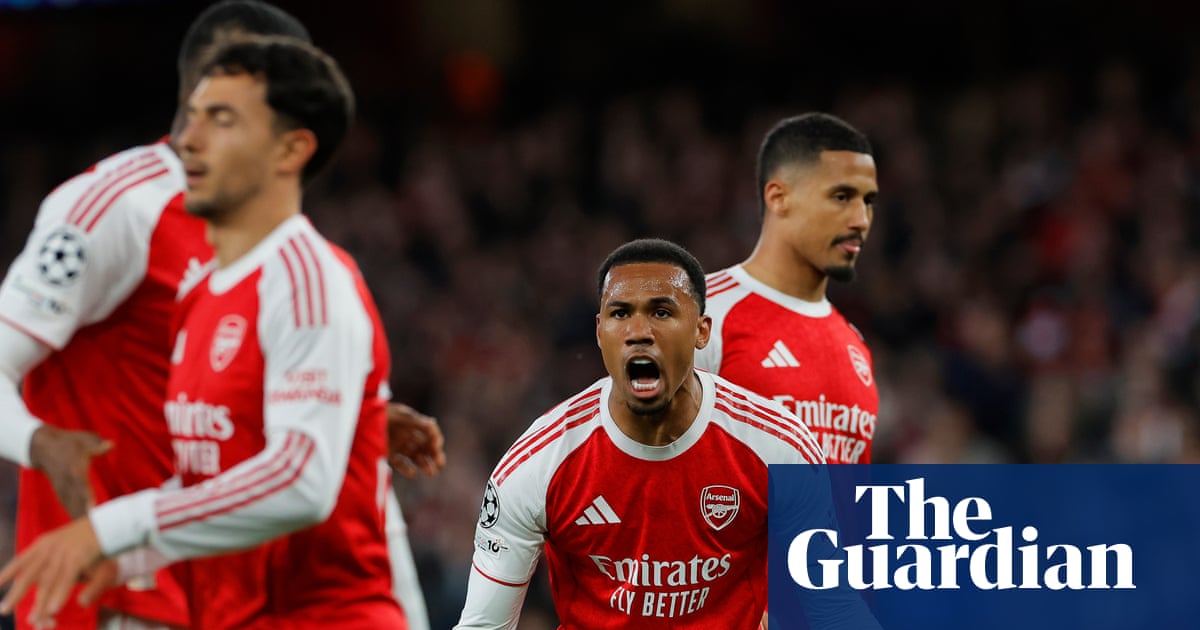
Throughout the Emirates, a prevailing sense of relief resonated—not just for having completed the second leg of the match but also for surviving a challenging encounter. Sporting proved to be a resilient team, presenting a tough challenge for Arsenal. Nevertheless, the Gunners had reason to celebrate; they secured their eighth clean sheet and advanced to the semifinals, now one step closer to their first Champions League title, with Atlético Madrid and one other opponent standing in their way. This was undoubtedly a positive outcome, even if the game itself felt far from exhilarating.
It is essential to highlight the Arsenal supporters, who have become a significant presence and theatrical element at the club. They have often faced criticism, leading to misconceptions about their collective sentiment. While there have been instances of boos and early departures from matches, this season has the potential to be one of the best in the club’s history. Football should evoke joy, camaraderie, and excitement, yet many fans find themselves in a state of unease, feeling as though they are witnessing a slow and painful ordeal rather than enjoying the game.
The anxiety felt within the stadium seems disproportionate to the events on the pitch, and it would be unjust to hold the fans accountable for this sentiment. The style of play under Arteta has created a unique spectacle that can confound even the most ardent supporters. His approach to possession and control often feels as if they are striving to win by merely surviving slightly better than their opponents.
In this match, Arteta opted for a defensive setup, starting with four center-backs, including Cristhian Mosquera, who, while a solid one-on-one defender, lacked the ball-playing finesse of Jurriën Timber. From the outset, Arsenal struggled to find cohesion in the final third, with misplaced passes and a hesitance to deliver early crosses. One might argue that the team missed Martin Ødegaard, but it appears they long for the version of him that once flourished on the pitch.
On the opposite side, Rui Borges stood on the touchline, dressed in a light beige ensemble, guiding his well-prepared and physically dominant Sporting team. Morten Hjulmand made a significant impact in midfield, prompting murmurs of discontent from the home crowd as Victor Gyökeres squandered a close-range opportunity.
A single goal could have transformed Arsenal’s cautious approach into a dangerously passive display, leading to nightmarish scenarios involving penalty shootouts. Yet, the crowd remained supportive, making efforts to uplift the atmosphere. At halftime, the Emirates resonated with “I Feel For You,” a fitting accompaniment to the tense experience unfolding on the field. Watching the match had become a test of endurance, akin to observing a self-driving car struggling to maintain its course.
As the game progressed, Arsenal began to find their rhythm around the hour mark, with Gabriel Martinelli coming close to scoring. The resulting applause felt almost affectionate, reminiscent of encouraging a nervous child at play. The fans stayed put, and Arteta took charge of the concluding moments of the match. Arsenal continues on this perplexing and drawn-out journey, creating a unique spectacle unlike any other.