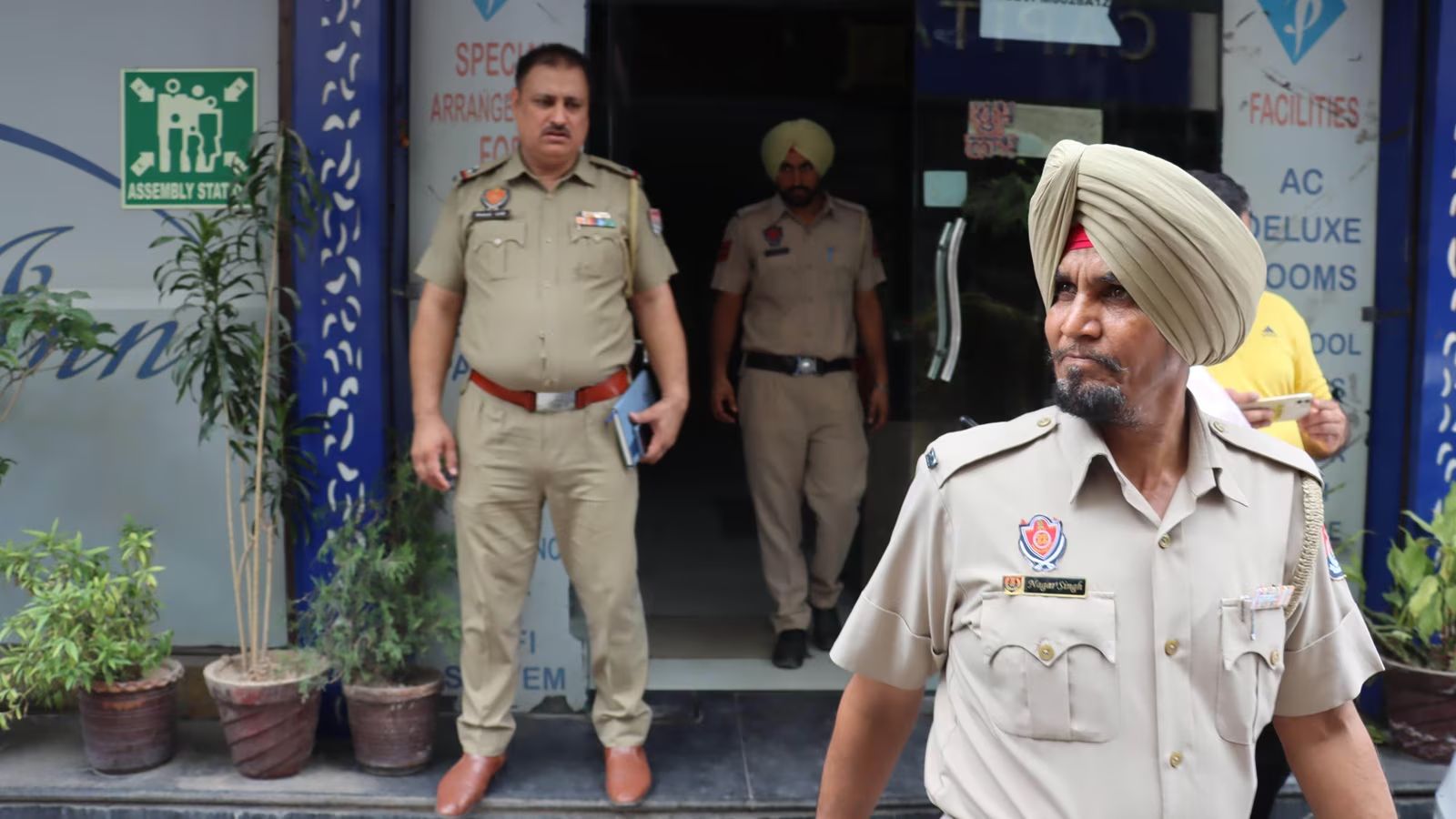

During my time at the National Police Academy, I often found myself catching up on sleep in language classes meant for Punjab cadre IPS probationers, thanks to my fluency in Punjabi. One day, a fellow officer from an eastern state, who was diligently taking notes, sought my advice on how to speak and act like a local. I advised him that the most important aspect to remember was the cultural significance of the word “tussi,” which is used to address people of all ages, and that he should avoid using “tu” in any professional interactions.
In Punjab, “tussi” transcends mere pronoun usage; it embodies a framework of respect that acknowledges the dignity of individuals, regardless of their social background. In Punjabi households, children are taught to use “tussi” as the standard form of address, and using “tu” can quickly damage relationships. Sikhism promotes a sense of collective identity and equality, reinforcing the preference for “tussi” as the respectful mode of address while relegating “tu” to informal and often inappropriate contexts.
The emotional resonance of language cannot be overstated. Even when no offense is intended, the term “tu” often conveys a sense of belittlement. I have noticed that individuals in leadership positions who frequently use “tu” are often seen as abrupt, even if their actions are just. Simply opting for “tussi” can significantly alter how their leadership is perceived.
This minor linguistic adjustment also serves as a valuable tool in policing. It helps to de-escalate situations, demonstrates humility, and reinforces the idea that the uniform is there to serve the community. Over the years, I have realized that embracing this cultural form of respect, alongside other practices, can facilitate interactions that rank alone cannot achieve. This small behavior, whether directed at the public or subordinates, fosters a culture of dignity that enhances team spirit. Even within families, using “tu” can cause more harm than the disagreement itself, as it undermines dignity, which is a cornerstone of all cultures.
My father possesses a unique talent for connecting with people, not just through charm but through the respect he shows everyone. He makes a point to address individuals by their names, whether they are workers, staff, or officials, regardless of their socio-economic status. If he doesn’t know someone’s name, he makes an effort to ask or simply reads it from a nameplate. This small gesture makes people feel valued and seen, and it remains one of my key lessons in interpersonal skills.
The word “tussi” operates in much the same manner. It serves as a verbal acknowledgment of a person’s identity, similar to addressing someone by their name. People are more likely to remember how you made them feel than the specific words you used, and sometimes that recognition begins with a single respectful term.
The guidance I offered that day at the Academy was straightforward: always start with “tussi.” Respect is not merely a tactic; it is ingrained in the culture. In law enforcement and other areas, this small choice can become a significant instrument of trust. While authority may be acknowledged, it is respect that endures. Often, the simplest word can determine which one takes precedence.
(The author is an IPS officer from Punjab.)
Stay informed with the latest updates – Click here to follow us on Instagram.