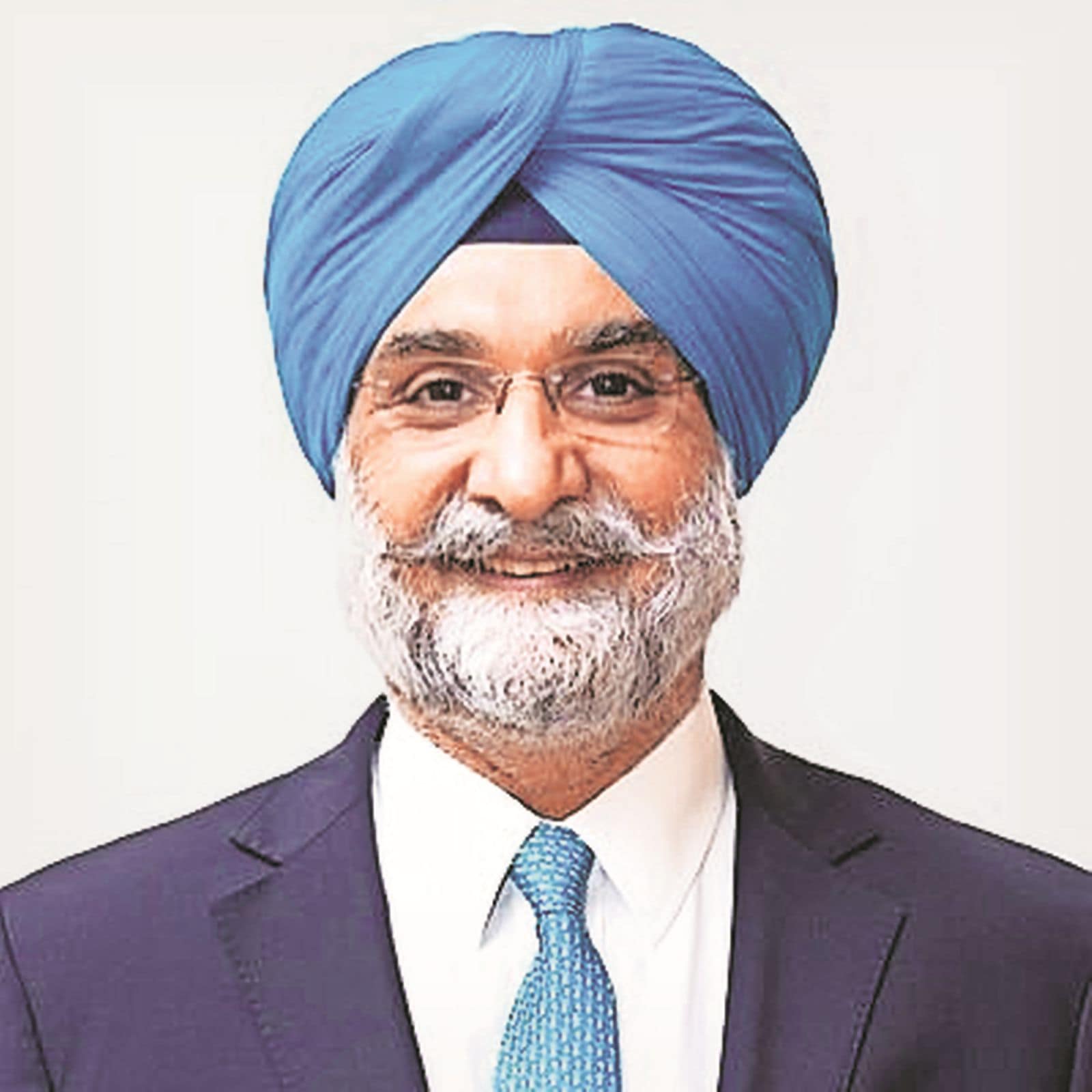

In a pioneering effort to enhance civic involvement, the solutions for alleviating traffic congestion in the capital are now being sourced from local residents rather than solely from the Delhi Traffic Police.
Following instructions from Lieutenant Governor Taranjit Singh Sandhu earlier this month, the Delhi Traffic Police launched Project SANGAM — which stands for Synergistic Action and Networked Governance for Area Mobility. This innovative initiative establishes a collaborative platform that unites Resident Welfare Associations (RWAs), Market Welfare Associations (MWAs), and municipal bodies such as the Municipal Corporation of Delhi (MCD) and the Public Works Department (PWD).
The initiative is grounded in a straightforward yet impactful concept: viewing traffic management as a collective civic duty instead of merely a top-down enforcement action.
Project SANGAM is already transforming the way local traffic concerns are recognized and resolved in important areas such as Connaught Place, Khan Market, Chanakyapuri, Defence Colony, South Extension, Rajouri Garden, Saket, and Karol Bagh.
“Engaging the community in governance may be crucial for fostering long-term behavioral changes. When residents participate in developing solutions, adherence tends to improve. For example, RWAs can assist in ensuring compliance with parking regulations within residential areas, while market associations can oversee loading and unloading activities,” explained Sanjay Tyagi, Joint Commissioner of Police, Traffic.
Since its inception on April 3, over 30 meetings with more than 6,000 residents have taken place, according to police officials. “During these discussions, we collect suggestions from the community and convert them into actionable strategies. For instance, in Chanakyapuri, issues like unauthorized parking and traffic disruptions during VIP movements were raised, leading to measures such as installing barricades along central dividers, notably on San Martin Marg,” reported Shobhit Saksena, DCP, Traffic, New Delhi.
Residents also pointed out heavy traffic congestion near Hanuman Mandir and along Baba Kharak Singh Marg on specific days, including Tuesdays, Saturdays, and Sundays.
“We have optimized parking near Shivaji Stadium and Bangla Sahib Lane by organizing vehicles to park in a single line and collaborating with civic agencies like NDMC. Law enforcement has been intensified, including fines for buses and measures against unauthorized parking,” Saksena added.
This initiative has led to a detailed understanding of daily challenges such as unauthorized parking near homes and markets, erratic e-rickshaw movement, driving against traffic rules, and encroachments that compromise already narrow roadways.
Unlike conventional complaint systems, SANGAM compiles citizen feedback into a centralized digital database, enabling authorities to monitor each issue from its inception to resolution. Officials report that over 50 actionable recommendations have already been recorded.
The initiative’s effects are beginning to manifest in various neighborhoods, with law enforcement becoming more focused through targeted e-challans and towing operations. Concurrently, civic agencies have implemented structural improvements, adjusting traffic signal timings, redesigning bottleneck-prone areas, and enhancing pedestrian safety measures.
A distinguishing feature of SANGAM is its focus on localized solutions. The traffic challenges in Connaught Place differ significantly from those in Saket or Rajouri Garden. By involving RWAs and MWAs, authorities can customize responses, whether it involves regulating parking during peak hours in busy markets or controlling last-mile e-rickshaw traffic near residential zones.
This initiative also seeks to improve coordination among multiple agencies, which is often cited as a major obstacle in managing Delhi’s traffic. By fostering collaboration among the traffic police, MCD, and PWD, the potential for reducing implementation delays increases.
Nonetheless, the true challenge lies in maintaining momentum. Citizen engagement tends to diminish over time, leading to potential enforcement fatigue. “SANGAM will soon expand to other areas of the city, focusing on ensuring ongoing engagement rather than episodic participation. If it proves successful, Project SANGAM could revolutionize the approach to urban mobility in Indian cities, shifting the focus from increased policing to collaboration with the residents who navigate these roads daily,” stated DK Gupta, Additional CP, Traffic.
Sakshi Chand serves as an Assistant Editor at The Indian Express in New Delhi. With over ten years of experience in investigative journalism, she is recognized for her expertise in crime, the prison system, and institutional governance within the National Capital.
Professional Background: Her reporting specialization encompasses high-stakes crime, national security issues, prison reform, and traffic governance.
Key Coverage: She has reported on significant events, including the 2G spectrum case, the 2020 North-East Delhi riots, and communal clashes in Uttar Pradesh (Kasganj, Aligarh).
Earlier Career: Before her tenure at The Indian Express, she worked as a reporter for The Times of India.
Personal Interests: Outside journalism, Sakshi is a national-level basketball player and coach, which adds a unique athletic discipline to her professional pursuits.
Major Recent Coverage (Late 2025): In the latter half of 2025, her reporting has focused on a major terror investigation and matters of administrative accountability:
1. The Red Fort Blast Investigation: Throughout November and December 2025, Sakshi led coverage of a car explosion near Delhi’s Red Fort.
Forensic Breakthroughs: She reported on the use of TATP and ammonium nitrate in the improvised explosive device and identified the shops where raw materials were procured (Nov 14-16, 2025).
The “i20 Route”: She meticulously traced the vehicle’s journey used in the explosion to a resident from Pulwama who entered Delhi via the Badarpur toll plaza (Nov 12, 2025).
Victim Support: She recently reported on the Delhi Police providing a list of affected vehicle owners to the Finance Ministry to expedite insurance claims for those impacted.