
As chefs prepare tadka for steaming hot dal and complete the day’s vegetable dishes, Aditi Ambavane finds herself engaged in calculations. This caterer from Pune serves meals to 5,500 employees across industrial areas in Chakan, Pashan, Wakad, and Ranjangaon, as well as to schools, daycare centers, and hospitals. She expresses concern that the recent surge in cooking oil prices is starting to disrupt her business operations.
On Monday, the Ministry of Statistics and Programme Implementation released data indicating that retail inflation rose to 3.4 percent in March, up from 3.21 percent in February, primarily driven by increases in food prices. Food inflation increased to 3.87 percent from 3.47 percent the previous month, which is attributed to global supply chain issues stemming from the ongoing conflict in the Middle East.
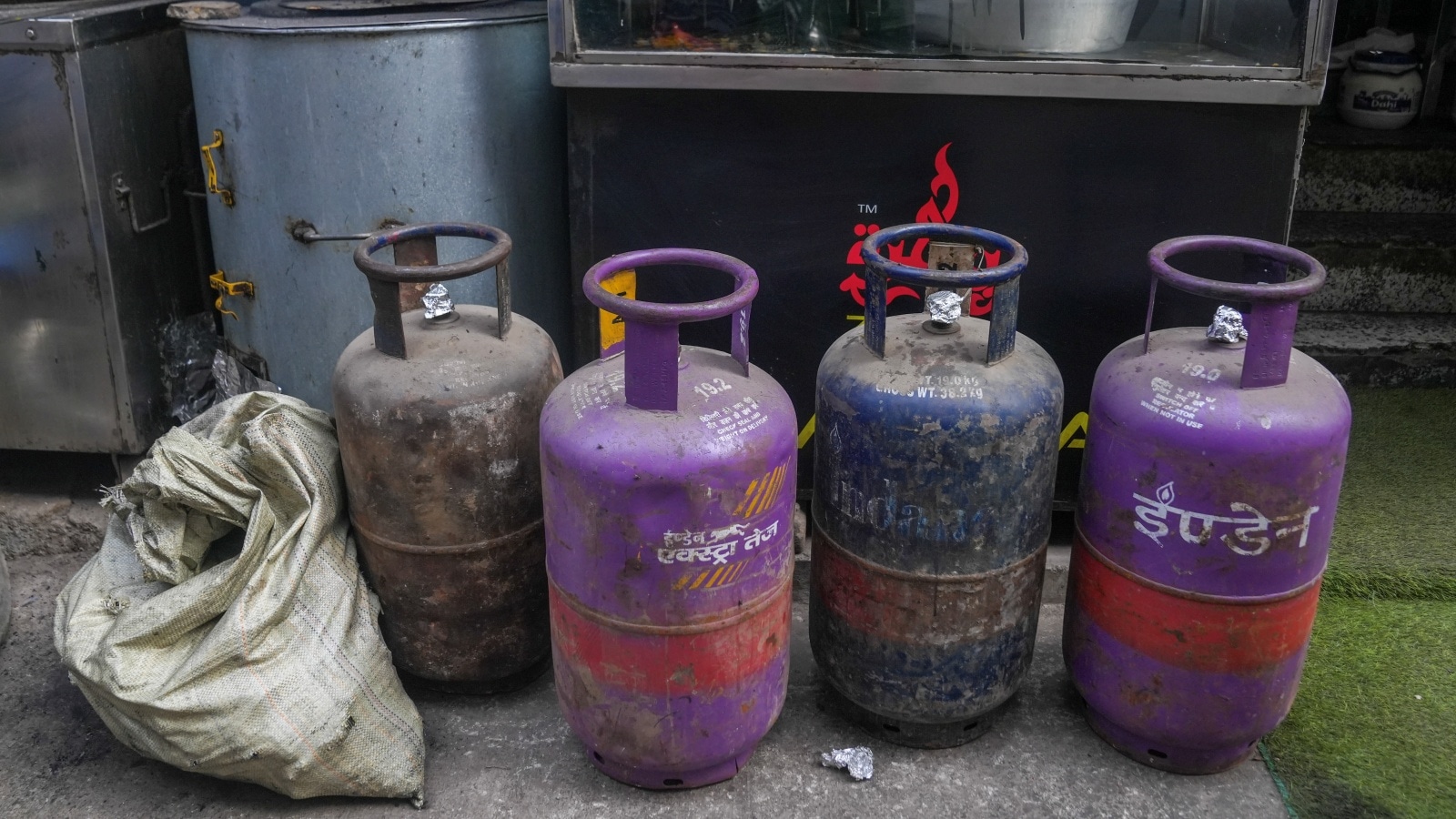
Ambavane feels the consequences of these changes immediately. She typically requires between 180 to 200 cans of 13 kg cooking oil each month. “Prior to the conflict, each can was priced at Rs 1,980, but now it is Rs 2,660,” she explains. Additionally, a shortage of commercial LPG cylinders has compounded her difficulties, leading her to close two of her five kitchens and reallocate staff. “The situation is unbelievable. Costs are escalating rapidly, yet customers are unwilling to accept higher prices,” she states.
At Vishnu ji ki Rasoi in Erandwane, a buffet featuring 25 dishes from Maharashtrian and Punjabi cuisines entices families and office workers during lunchtime. Gaurav Duvedi, the restaurant’s CEO, observes as patrons fill their plates with main courses before indulging in the seasonal specialty of Aamras. He remarks that the establishment will persist through the current crisis, which now includes higher oil expenses. “We used to pay Rs 1,600-1,700 for a 15-litre tin of sunflower oil, but vendors are now charging Rs 2,500 for the same quantity,” Duvedi adds.
In response to the LPG crisis, the restaurant has transitioned to using wood and coal, while also closing its live counters for starters. However, the costs of coal and wood have also risen over time. “Wood prices have surged from Rs 7-8 per kg to Rs 20-25 per kg, and we require 50-60 kg daily. Coal prices have escalated from Rs 22 per kg to Rs 48 per kg,” he explains. Although the restaurant is managing to break even, many others are struggling financially. “We can only wait and observe. I don’t believe the crisis related to the conflict will resolve in the next few months. We need to keep our operations running,” Duvedi states.
Saili Jahagirdar, president of the Pune chapter of the National Restaurant Association of India, notes that the price increases have become apparent over the last 25 days. “In addition to oil, there has been a 10-15 percent rise in the prices of pulses, rice, grains, and spices like chili and coriander. While these may seem like minor hikes, the cumulative effect is substantial,” she mentions.
Jahagirdar also points out that there has been a notable increase in egg and poultry prices. “Typically, poultry prices are lower in the summer, with peaks occurring between November and January. Yet, we are currently witnessing poultry prices exceeding those seen during peak winter,” she remarks.
Large restaurants like Malaka Spice report that they are absorbing the increased costs of oil and other inputs. “The overall costs in the restaurant industry have risen mainly due to fuel price hikes. A month ago, our assessment indicated a cost increase of about 4 percent. Currently, we are incorporating this increase into our pricing while waiting to see how the situation evolves,” says Shrijit Ravindran, CEO of Malaka Spice.
Other dining establishments indicate that these individual price increases accumulate to a significant total that impacts customer bills. “We often face backlash from customers who feel that dining out has become more expensive. Attempting to explain that our raw material costs are rising does little to alleviate their concerns,” Jahagirdar adds. She also notes that restaurants that do not serve alcohol, such as cafes and bistros, are encountering the greatest challenges, as they rely entirely on food sales to attract customers.