
Former President Donald Trump has adorned various areas of the White House with nine imposing portraits of himself, each emanating a sense of intimidation. However, despite these grand displays of self-importance, Trump remains unsettled, grappling with the memory of what he considers a profound personal failure.
This failure has prompted him to engage in increasingly aggressive and vulgar threats. His rhetoric has shifted from mere hostility to what some may interpret as potential war crimes. Initially, his response to the challenges surrounding his actions in Iran seemed akin to a child throwing a tantrum after losing a video game. Yet, his behavior has now crossed serious boundaries of international law, pushing him into perilous territory.
When Trump initiated military action, he appeared to believe that victory would come swiftly, with Iran capitulating in a matter of days and its oil resources falling into his control for exploitation. Despite warnings from military leaders about the complexities of the region, he dismissed their advice. The Iranian response involved tightening control over the Strait of Hormuz, a critical passage for global oil shipping, which quickly escalated tensions in the international economy. As insurance rates skyrocketed due to the perceived risks, shipping traffic diminished, leaving Trump with military capabilities but lacking leverage.
Less than two weeks into the conflict, on March 11, Trump expressed confidence that he could end the war at any moment, suggesting it would soon conclude as there was “practically nothing left to target.” However, the destruction he envisioned as his legacy seemed to be more about devastation than triumph. Two days later, he claimed he would know when to terminate the conflict “in my bones,” alluding to his physical condition rather than any strategic insight.
In his only notable address regarding the war, delivered on April 1, Trump proclaimed that he was achieving unprecedented success against Iran, claiming to have “completely decimated” the nation. He suggested that other countries reliant on oil from the Strait should simply take it, insinuating that this would happen effortlessly. With this declaration of victory, he effectively raised a white flag.
This speech, arguably one of the most disjointed wartime addresses ever given by a president, served merely as a temporary fix rather than a solution. It lacked any semblance of optimism or hope. Instead, it revealed his frustration, fatigue, and fury at the situation he found himself in.
On the eve of his speech, Trump had already begun to escalate his rhetoric, threatening “very hard” strikes and emphasizing the need to “finish the job,” despite earlier claims of having achieved victory.
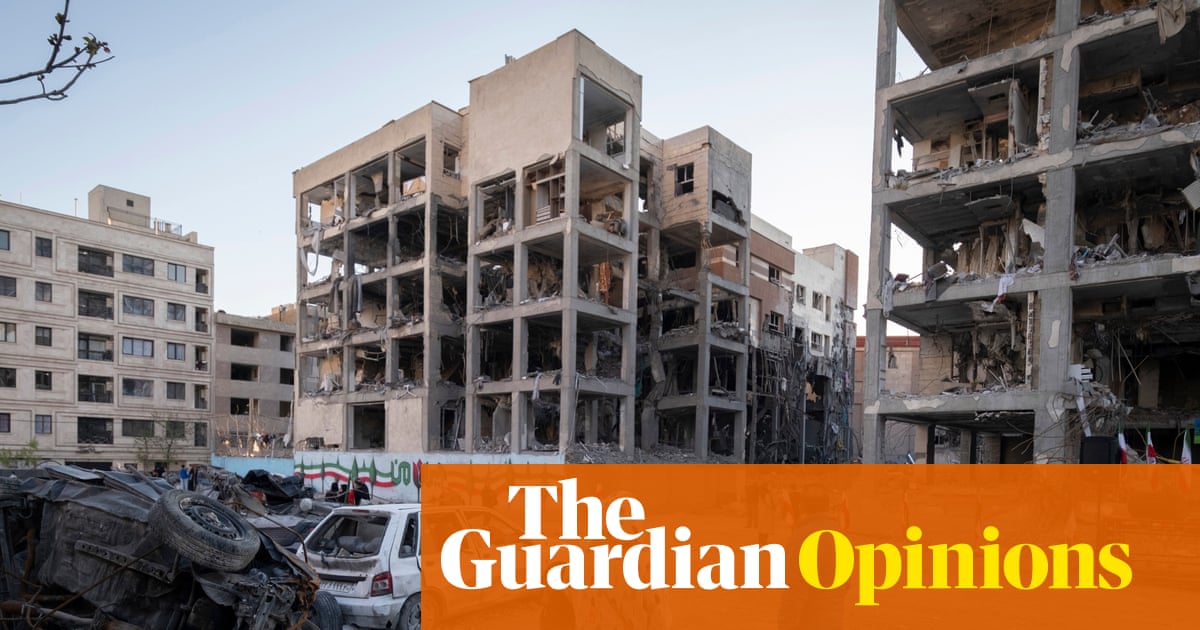
He then introduced a new theme, vowing to return Iran to the “Stone Ages,” signaling an intention to target critical infrastructure, such as power plants and oil facilities. This shift in tone reflected a potential embrace of war crimes. The Secretary of Defense, Pete Hegseth, echoed Trump’s words the following day, using the phrase “Back to the Stone Age” as a rallying cry for military messaging.
In a troubling turn, Trump appeared to lower his rhetoric to Hegseth’s level, who previously criticized military norms and advocated for a more lethal approach to warfare. Hegseth’s disdain for conventional rules of engagement, which align with the Geneva Conventions, marked a significant departure from standard military conduct. His controversial campaign to absolve military personnel charged with war crimes received Trump’s support through pardons.
Should there be a comprehensive account of Trump’s national security team akin to James Mann’s “Rise of the Vulcans,” it might be titled “Rise of the Flintstones,” a nod to the animated series depicting a prehistoric family. However, in contrast to Hegseth’s aggressive stance, the Flintstones represented a more peaceful existence.
Trump’s and Hegseth’s references to the “Stone Age” seemed to draw from a troubling historical context, evoking the infamous quote from Air Force General Curtis LeMay, who advocated for devastating bombing strategies during the Vietnam War. LeMay, a controversial figure who later ran for vice president on George Wallace’s ticket, had previously argued that nuclear weapons would be “most efficient” in Vietnam. Trump’s adoption of this rhetoric serves as a stark reminder of the dark echoes from the past.
Amid fears of losing control over the situation in Iran, Trump tweeted on April 5 about plans for “Power Plant Day” and “Bridge Day,” suggesting aggressive military actions. His escalating threats and erratic behavior continue to raise concerns about the implications of his approach to international conflict.