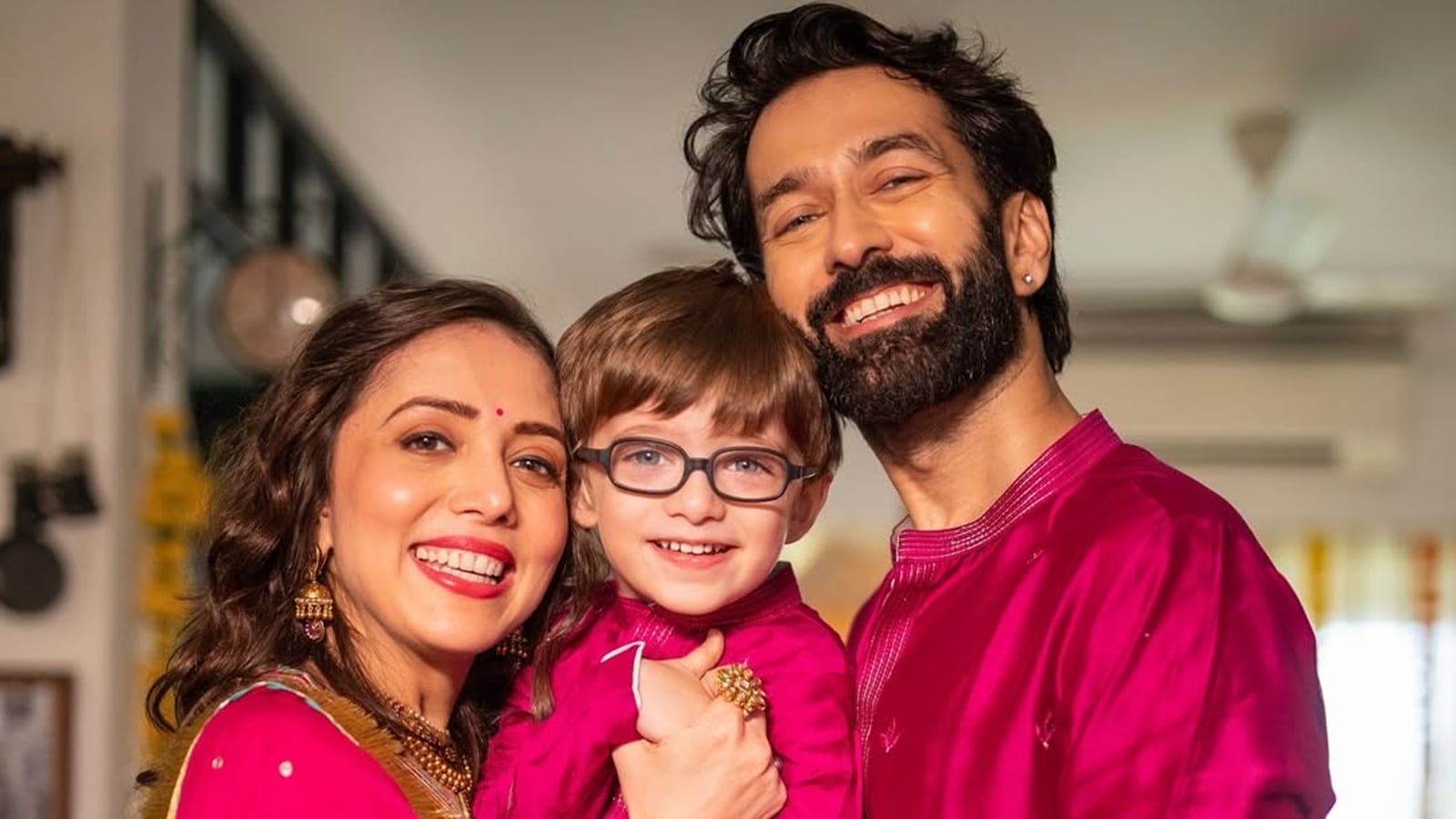

During a recent episode of the podcast “What Not to Do as a Parent,” actor Nakuul Mehta revealed that his wife, Jankee Mehta, possesses a remarkable ability to persuade others to consider having a second child. Jankee elaborated on this by stating, “Many couples might feel hesitant about having another baby, especially if their first experience was overwhelming, fearing they will encounter the same stress again. I want to assure everyone that the experience with a second child is generally much more relaxed and manageable. Yes, challenges will arise, such as illnesses or health concerns, but those moments will pass. The reassurance that these difficult times are temporary often comes with experience from parenting the first child, as you learn to anticipate and navigate them.”
While Jankee’s perspective resonates with many parents, the question remains: Is having a second child genuinely easier? Dr. Vikas Kumar suggests that the answer is influenced more by the parents’ mindset than by the children themselves.
According to Dr. Kumar, “The second child isn’t automatically easier to care for. What changes is the emotional readiness of the parents.” He points out that first-time parenting presents a steep learning curve, where everything from feeding to sleep schedules feels daunting. “By the time a second child comes along, parents usually possess greater confidence and practical abilities,” he notes.
Dr. Kumar further explains that much of the perceived reduction in stress stems from experience rather than a lesser demand for parenting. “In fact, managing two children often heightens responsibilities, particularly concerning time and attention.” He emphasizes the shift in perspective that occurs with experience. “Seasoned parents tend to be better at prioritizing tasks, establishing routines, and letting go of the need for perfection. They’re less prone to panic over minor issues.”
Raising a second child can instill both confidence and complexity in parenting. Dr. Kumar adds, “Having a second child can enhance a parent’s ability to manage uncertainty, as they have already navigated various unpredictable scenarios. This familiarity fosters emotional resilience and problem-solving skills.”
However, there is an opposing view to consider. “The emotional burden can increase, as parents must now attend to the needs of two children,” he points out. Therefore, while anxiety may lessen, the responsibilities certainly do not.
Before making the decision to expand their family, experts advise couples to conduct a thorough self-assessment. Dr. Kumar recommends considering factors such as emotional readiness, physical stamina, financial resources, and available support systems.
He underscores the importance of practical considerations: “It’s vital to think about how you will allocate time between two children, nurture your relationship, and manage the added responsibilities.” External factors like career pressures, family support, and mental health also play significant roles in this decision-making process. Most importantly, he cautions against relying solely on the belief that challenging times will simply pass. “Couples should critically evaluate whether they genuinely have the capacity to welcome another child into their lives.”