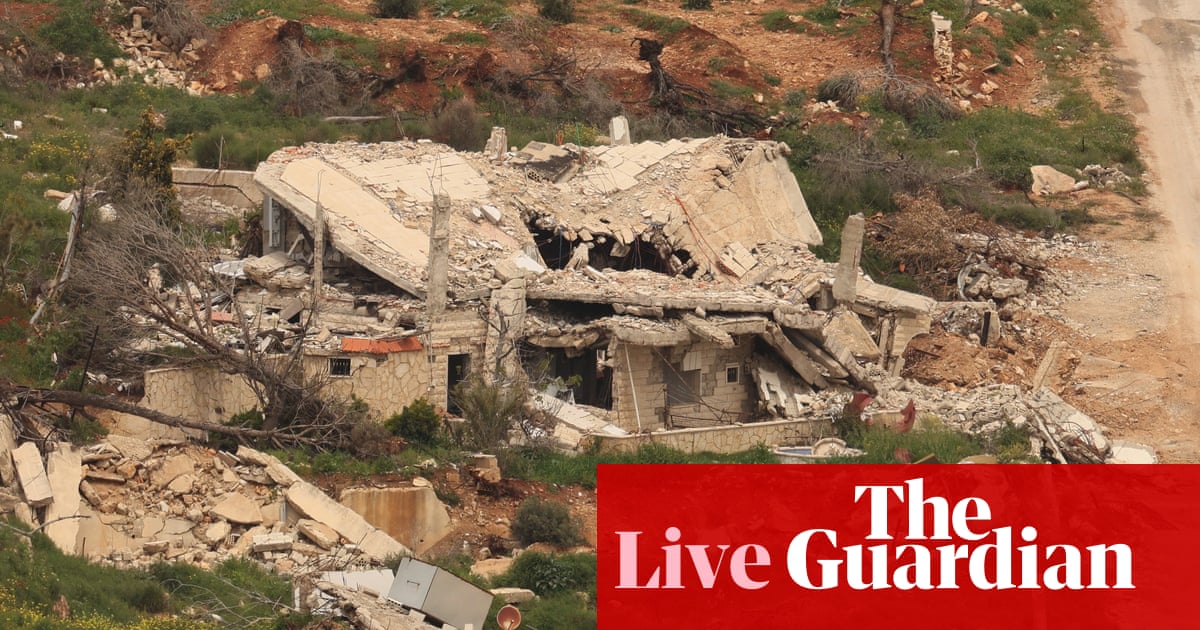

Galia Gamliel, a member of Israel’s security cabinet, announced that Prime Minister Benjamin Netanyahu is scheduled to have a conversation with Lebanese President Joseph Aoun today, as reported by Israeli media sources.
Gamliel noted that this dialogue marks a significant step after years of complete silence between the two nations, expressing hope that it will ultimately lead to mutual prosperity. She shared this insight during an interview with Israeli Army Radio, as cited by the Times of Israel.
However, various Lebanese media outlets have reported that officials in Lebanon are not aware of any planned discussions or meetings with Israel.
In a separate development, Iran has halted all petrochemical exports in order to prioritize domestic supply and avoid shortages of raw materials, according to a report by Reuters. The state-owned National Petrochemical Company has instructed companies to cease exports until further notice.
Iranian petrochemical facilities have recently been targeted by Israeli strikes, and a U.S. naval blockade is currently preventing vessels from accessing Iranian ports.
In Pakistan, the foreign ministry has indicated that no dates have been scheduled for a second round of negotiations between the U.S. and Iran. General Asim Munir, the chief of the Pakistani army, is in Iran as part of ongoing mediation efforts aimed at revitalizing discussions as the deadline for the fragile U.S.-Iran ceasefire approaches.
A senior Iranian official remarked that Munir’s visit has been beneficial in narrowing some differences but acknowledged that significant disagreements still exist, particularly regarding Iran’s nuclear program. The official expressed cautious optimism about extending the ceasefire and anticipated a second round of talks.
Key contentious issues include the fate of Iran’s highly enriched uranium and the duration of restrictions on Iran’s nuclear activities, with no solutions currently in sight.
In related news, a military adviser to Iran’s supreme leader issued a warning that Tehran would target U.S. ships in the Strait of Hormuz if the U.S. attempts to enforce a blockade in the area. Mohsen Rezaei, who previously commanded Iran’s Islamic Revolutionary Guard Corps (IRGC) and was appointed a military adviser by Mojtaba Khamenei, also threatened to take U.S. soldiers hostage if they set foot on Iranian soil, demanding a ransom of one billion dollars per captive.
Rezaei criticized former President Trump’s intentions to patrol the Strait of Hormuz and asserted that Iran would not concede on its negotiating terms regarding maritime restrictions. He emphasized that the continuation of the ceasefire would only be meaningful if all of Iran’s demands were met and a formal statement was submitted to the Iranian security council.
The U.S. blockade on vessels operating from Iranian ports took effect on Monday evening, following Iran’s near-total closure of the Strait of Hormuz since the conflict began. According to U.S. Central Command (Centcom), ten vessels were prevented from departing Iranian ports in the first 48 hours of the blockade, although ship tracking data indicated that at least three vessels managed to cross the strait, albeit some later reversed course.
Confusion arose when reports emerged indicating that Lebanese officials were not aware of any intended communications with Israel, even as former President Trump announced on social media that discussions between Israeli and Lebanese leaders were set to occur today. An official source in Lebanon confirmed that they had not received any information regarding contact with Israel through formal channels.
Additionally, Al Jazeera reported similar statements from Lebanese officials, denying any knowledge of a potential phone call between the leaders or a subsequent meeting between their ambassadors in Washington following recent discussions.
In a post on Truth Social, Trump mentioned the anticipated talks between Israeli and Lebanese leaders but did not provide specifics, leaving it unclear whether he was referring to the heads of state or other officials. As of now, there has been no official confirmation of such a meeting from either Israel or Lebanon.
This morning, the Israeli military issued a new advisory urging residents in southern Lebanon to evacuate due to ongoing airstrikes targeting what they labeled as Hezbollah positions, marking the second such warning issued within a 24-hour period.
Avichay Adraee, the spokesperson for the Israel Defense Forces (IDF) in Arabic, advised individuals south of the Zahrani River to leave their homes, stating that airstrikes were continuing as the IDF operated vigorously in the area.
Recent images from the Middle East reflect a growing sense of optimism regarding a potential resolution to the Iran conflict, with a key Pakistani mediator in Tehran and the Trump administration expressing hopes for a deal that could facilitate navigation through the Strait of Hormuz.
Meanwhile, the European Union is reportedly working on plans to address an impending jet fuel supply crisis and to enhance refinery output, as officials warn of potential shortages within weeks due to the ongoing Iran conflict, which threatens to disrupt travel ahead of the summer season. Europe relies heavily on jet fuel imports, sourcing approximately 75% from the Middle East.