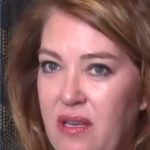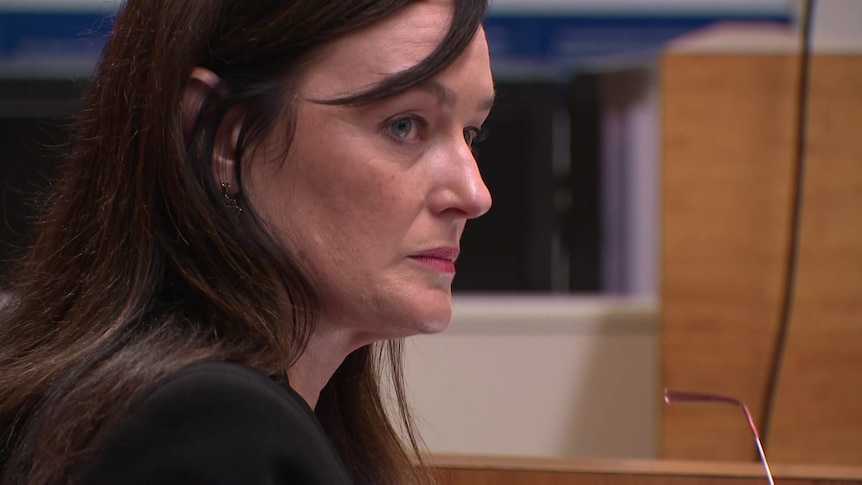

Leanne Linard, the former child safety minister of Queensland, acknowledged her awareness of the increasing number of children entering out-of-home care, as well as the escalating resource challenges facing the sector.
During an inquiry, Linard attributed some of the heightened demand to the impact of the COVID-19 pandemic and a surge in crystal methamphetamine use in certain regions of the state.
The current public hearings regarding the expenses associated with residential care are set to conclude in Brisbane on Friday, with the inquiry’s findings expected to be released next month.
The investigation into Queensland’s child safety framework revealed that the former minister was informed about resource shortcomings and the “significant rise” in children requiring residential care.
In conjunction with this inquiry, the state government announced a new pilot initiative worth several million dollars aimed at facilitating the transition of more children into family environments and enhancing support and training for foster caregivers.
Launched in May of the previous year, the commission of inquiry was established to address and rectify systemic issues that resulted in the billion-dollar child safety sector failing to provide adequate outcomes for the state’s most vulnerable youth.
A recent census conducted by the state government indicated that thousands of children in out-of-home care had experienced physical, sexual, and emotional abuse, as well as neglect, domestic violence, and mental health challenges. The annual cost of caring for a single child can reach as high as $2.6 million.
The recent hearings, which took place in Brisbane, highlighted the significant financial burden associated with residential care, whereby young individuals are housed in group settings with round-the-clock support from youth workers.
Linard testified that during her time as minister, she was made aware of the shortage of foster carers in Queensland and the increasing influx of children needing out-of-home placements.
This situation often led to the necessity of sourcing expensive emergency accommodations. Linard confirmed that shortly after taking on the child safety portfolio, she attended five consecutive briefings addressing the placement challenges within the system. She acknowledged that budgetary details were likely discussed in those sessions.
Linard served as Queensland’s child safety minister from November 2020 until May 2023. Prior to her appointment in January 2020, the budget allocated for child safety was approximately $1.5 billion. She indicated that she was informed a financial deficit would likely escalate year after year, driven by the growing number of children needing assistance.
Linard also confirmed that the more expensive Individual Placement and Support (IPS) funding was utilized due to the depletion of the Outsourced Service Delivery (OSD) funding. IPS placements are intended as temporary solutions for children in need until more stable OSD arrangements can be established.
The inquiry noted that the costs of residential care placements are estimated to be 10 to 15 times higher than those associated with family-based care.
“I was certainly aware of the increasing number of children being placed in care under IPS agreements,” Linard stated. “I was also briefed on the rise in IPS placements due to the increasing complexity and severity of the young individuals entering the department’s care during my predecessor’s term.”
Additionally, Linard mentioned that some children were placed under IPS agreements, which do not require formal inspections or licensing, due to the influence of the ongoing “ice epidemic” affecting certain areas of the state.
Regarding the pandemic’s impact, Linard noted that COVID-19 further restricted the availability of child safety personnel and housing options. She explained, “Given the pandemic, many of the challenges we faced—such as securing facilities for these services—were exacerbated.”
She highlighted that some children were placed under IPS agreements during the height of the pandemic, with the belief that they would not need long-term care once the situation normalized.
“It was suggested to me that the use of IPS was a key strategy at that time, as it was deemed less preferable to place them into long-term contracts,” she added.
Current Child Safety Minister Amanda Camm stated that the previous government had been warned numerous times about these issues. She characterized the evidence presented at the inquiry as “damning,” indicating that the department had repeatedly communicated the need for additional resources.
“They were fully aware of the over-reliance on residential care,” Camm noted, promising to swiftly review the inquiry’s forthcoming recommendations next month.
Additionally, Minister Camm announced a $27 million pilot program designed to address some of the resource challenges within the system, aiming to transition 100 children from residential care into family homes and recruit 100 additional foster carers. The initiative will initially operate at three locations—two in southeast Queensland and one in North Queensland—with plans for statewide expansion if successful.