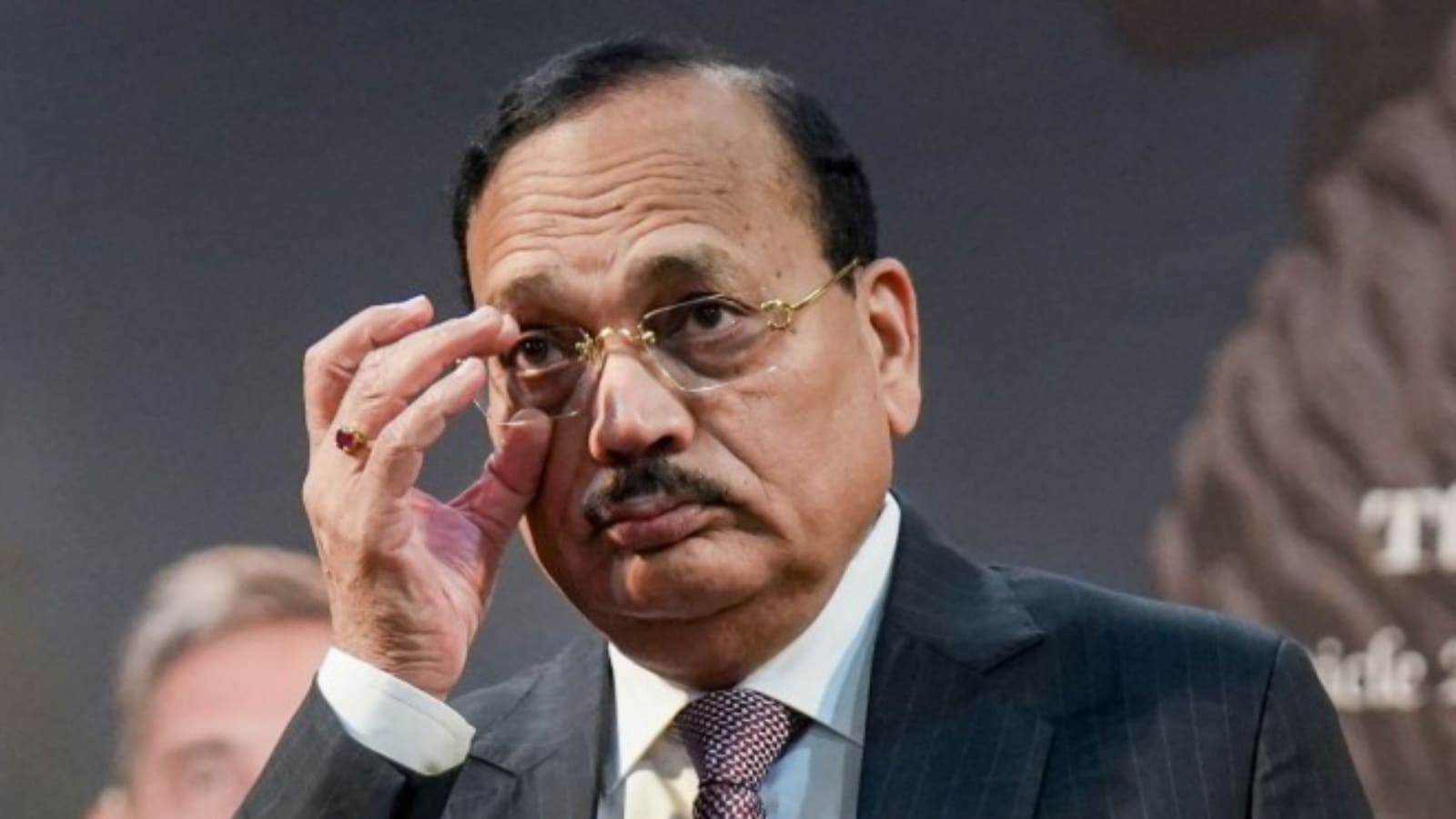

The Chief Justice of India, Surya Kant, emphasized on Thursday that the Uniform Civil Code (UCC) represents a “constitutional ambition” that is not linked to any specific religion. This statement was made during a Supreme Court hearing concerning a petition that questions the application of Shariat law regarding inheritance and testamentary succession.
Bhushan mentioned that he has consistently encouraged his Muslim friends not to resist the UCC, as many fear that it would lead to the imposition of Hindu civil codes upon them. “I have always argued that civil laws should be uniform for everyone, regardless of their religious background,” he told the bench, which included Justices Joymalya Bagchi and Vipul M Pancholi.
Bhushan concurred with the Chief Justice, stating, “This is a constitutional ambition for a valid reason. Civil law ought to be consistent throughout the country, irrespective of religion.”
Justice Bagchi remarked that the Special Marriage Act serves as a step toward achieving uniformity in marriage laws, allowing individuals to opt out of their personal laws when entering into marriage and addressing issues such as paternity and custody rights. He noted that recent legislation, like the Juvenile Justice Act, which facilitates adoption, further encroaches upon personal law areas.
However, Justice Bagchi queried whether it would be appropriate for the court to engage in these legislative matters, as freedom of religion is a fundamental right. He pointed out that if a religious practice is fundamentally discriminatory or contradicts principles of equity, public order, or morality, it may need to be invalidated. “The Constitution does not allow any practice that is inherently discriminatory unless it is classified as an essential religious practice under Article 25,” Bhushan responded.
He argued that inheritance cannot be considered an essential religious practice, stating, “To assert that women should receive half or even less than their male counterparts is discriminatory. This issue pertains to civil law, not an essential religious practice as defined under Article 25.”
Bhushan further noted that in matters of testamentary succession, a Muslim individual is restricted from allocating more than one-third of their property through a will, thus limiting their authority over self-acquired assets. The bench subsequently issued a notice and associated the petition with other similar cases raising comparable concerns.