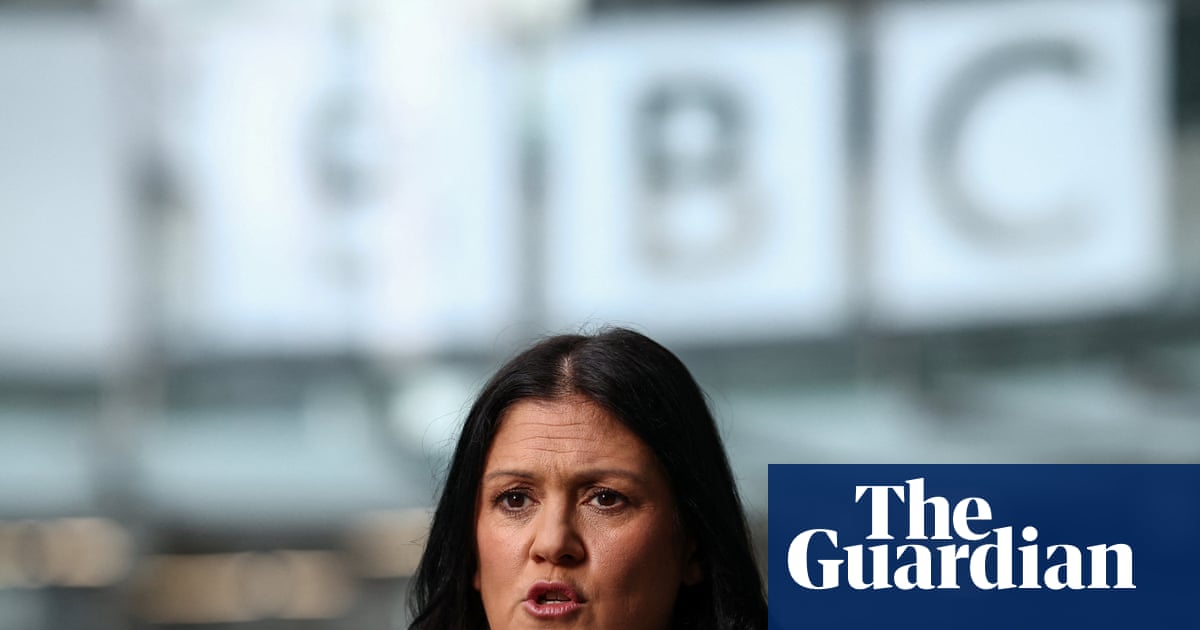

The recent announcement by the BBC regarding the elimination of 2,000 positions has significantly impacted employees, according to Lisa Nandy, the UK’s culture secretary. Many staff members have voiced their dissatisfaction, particularly over the perception that highly compensated presenters and senior personnel will not be the primary targets of these layoffs.
Nandy, who has been engaging with BBC employees amidst discussions surrounding the renewal of the broadcaster’s charter, is reportedly advocating for staff involvement in the cost-reduction strategy, which could affect nearly 10% of the BBC’s 21,000 workforce over the next three years.
According to reports, employees were informed that details regarding which positions would be eliminated would remain undisclosed until September, leading to a demoralizing summer for many.
During a session with MPs, Nandy remarked, “As colleagues are aware, the interim director-general of the BBC announced significant staffing reductions yesterday, which I know have profoundly affected the staff and are a matter of serious concern for the public at large.”
On Wednesday afternoon, BBC employees were briefed about the cuts during an online all-staff meeting led by interim director-general Rhodri Talfan Davies, where over 500 individuals posed questions and shared their thoughts.
Younger employees, in particular, expressed anxiety about their job security and felt that management’s response to their concerns was dismissive. One staff member highlighted this sentiment during the meeting, stating, “The response for young people in the BBC is essentially ‘tough luck.’ Do you really think that will uplift the morale of those who are supposed to be the future of the BBC?”
Another employee voiced that the ongoing layoffs have led many to doubt the viability of a long-term career at the BBC. “I’ve been with the BBC for almost two years, and this is the second round of job cuts since I joined. At my age, I love working here, but I can’t help but wonder, ‘Am I next?’ I want to advance my career and have some stability,” they noted.
A recurrent theme among staff was the belief that senior executives and high-earning presenters, many of whom receive salaries in the hundreds of thousands, would be less likely to face job cuts. One employee commented, “It seems those of us who are new to the BBC will be the first to go while keeping the established staff, as has happened previously.” Another suggested, “While I appreciate our presenters, some earn exorbitant salaries—would any of them consider taking a pay cut?”
Concerns about morale were echoed by another employee who remarked, “Many of us are still trying to recover emotionally from the last two rounds of cuts. It’s challenging to stay motivated in a company that repeatedly jeopardizes our hard-earned positions every few years.”
Criticism also extended towards the incoming director-general, Matt Brittin, who previously held a senior role at Google. Nandy reportedly spoke with him after the cuts were announced, emphasizing the necessity of establishing a robust financial foundation for the BBC.
One employee questioned, “Given that the organization is trying to reduce expenses, why appoint a director-general with no broadcasting experience to a position that pays £500,000?”
In a subsequent email to staff, the interim director-general acknowledged the “significant financial pressures” facing the organization that require prompt action. He stated, “These plans will inevitably lead to a reduction in jobs at the BBC. Although we still need to finalize the details, we expect the total job count to decrease by 1,800 to 2,000. I understand this creates substantial uncertainty, but we felt it necessary to be transparent about the challenges ahead.”
While ministers are reportedly hesitant to intervene in internal staffing matters, they recognize that the announcement of these cuts comes during a tumultuous period and are eager to ensure that employees are actively involved in the process.