
The U.S. House of Representatives has narrowly voted against a resolution, primarily proposed by Democrats, that aimed to halt military actions against Iran until Congress authorized further hostilities. The resolution was defeated with a vote tally of 214 to 213 in the chamber, which is predominantly Republican, just one day after a similar measure was blocked in the Senate.
The outcome of the vote largely reflected party lines, with nearly all Republicans opposing the measure, except for one who voted present, while one Democrat also cast a vote against it. This decision highlights the ongoing backing from President Trump’s Republican peers for his administration’s military strategy, occurring more than six weeks after U.S. and Israeli forces initiated strikes against Iran on February 28.
In recent hours, senior Pentagon officials have been updating the press on the situation. During a briefing, U.S. Secretary of Defense Pete Hegseth issued a stern warning to Iran, suggesting that the country must agree to a long-term peace deal or risk facing military actions targeting its essential infrastructure. He stated, “We are ready to engage with greater force than ever before, backed by improved intelligence,” emphasizing the preparedness of U.S. troops to resume combat if negotiations fail.
Hegseth added, “We are fully prepared to strike critical dual-use infrastructure, including power generation and energy sectors. Our preference is to avoid further conflict.”
Meanwhile, Iran’s ambassador to the United Nations, Amir-Saeid Iravani, expressed cautious optimism regarding ongoing negotiations with the U.S., despite a backdrop of significant mistrust due to past diplomatic failures. He noted that, although there are apprehensions about U.S. intentions, Iran is approaching the discussions in good faith.
Speculation about a second round of peace talks has been circulating, but the initial discussions held last weekend did not yield a resolution to the ongoing conflict. The current ceasefire is set to expire on Wednesday.
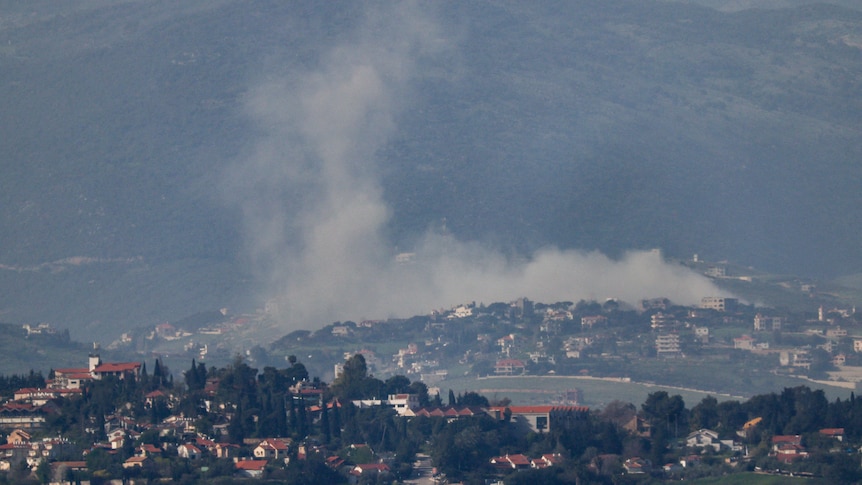
In related news, a Lebanese official criticized the Lebanese government’s decision to engage in direct negotiations with Israel, claiming it does not serve the interests of the nation or its citizens. The official condemned the Lebanese authorities for conceding to U.S. demands and urged them to refrain from making further concessions to perceived adversaries.
Hezbollah, the Iran-aligned militant group, has distanced itself from the negotiations regarding a ceasefire and previously signaled its unwillingness to comply with any resultant terms.
As discussions about the potential for renewed peace talks continue, the Pakistani foreign ministry indicated that their mediating role remains active beyond the concluded talks in Islamabad. U.S. President Trump has hinted at the possibility of additional negotiations taking place soon, with the White House Press Secretary suggesting that further discussions may likely occur in Islamabad.
In a diplomatic push, Pakistan’s Prime Minister has been in contact with various leaders, including Qatar’s Emir, as part of efforts to facilitate the next round of discussions between Washington and Tehran. Concurrently, Pakistan’s army chief, who is set to mediate the upcoming talks, is currently visiting Iran.
A virtual meeting is scheduled later today, involving around 40 nations to discuss a peaceful initiative aimed at resuming shipping through a key region. The meeting has been organized to unite countries against aggression and promote a “purely defensive mission.”
German Chancellor Friedrich Merz has indicated his intention to address U.S. involvement in any future missions aimed at securing the strait, expressing a willingness to participate while emphasizing that the outcomes of ongoing discussions should not be prejudged.
In a recent announcement, President Trump revealed plans to invite Israeli Prime Minister Benjamin Netanyahu and Lebanese President Joseph Aoun to the White House for discussions. This statement followed confirmation of a 10-day ceasefire agreement between the two nations. Trump expressed belief that both leaders are committed to achieving peace in the region.
As the ceasefire unfolds, efforts are underway to ensure lasting stability in the area, with U.S. officials reiterating their commitment to fulfilling Lebanon’s requests for support in this endeavor.