
Coachella, North America’s largest music festival, presents a unique challenge even during its most favorable conditions—long drives, extended waiting times, and exhaustive days filled with live performances under the scorching desert sun. Each year, the festival attracts a mix of enthusiasm and criticism, often due to its exorbitant ticket prices, the flood of cringe-worthy social media posts, and the overwhelming presence of influencer culture. Nonetheless, dedicated fans continue to return, and those who are less committed tune in online, paying a minimum of $649 for a three-day pass or securing sponsorships to experience what remains the most diverse and extensive lineup in the country, featuring both emerging talents and unforgettable moments, such as the much-anticipated return of Justin Bieber.
This year, references to “Bieberchella” dominated conversations at the event, as his understated yet impactful Saturday headlining performance attracted one of the largest crowds in the festival’s history. While Bieber’s comeback was a focal point, Coachella 2026 also showcased a broad array of performances catering to those not particularly interested in the millennial star’s resurgence. Remarkably, ticket prices remained stable, with many attendees likely utilizing payment plans, reflecting an inflationary mindset that persists despite the lack of price increases. Following a disappointing period two years ago, characterized by lackluster headliners and the slowest ticket sales in over a decade, the festival has regained its status as a cultural touchstone with an emphasis on inclusivity: featuring more international acts, enhanced infrastructure—including a new underground cinema designed for Radiohead’s Kid A Mnesia experience—investments in an impressive livestream operation, and surprise DJ performances that enlivened the already bustling Do LaB stage.
Crucially, the festival maintained excitement both online and offline with a multitude of surprise guest appearances that catered to nostalgia or simply made headlines. Notable moments included David Guetta’s Saturday night performance, which saw him bring out Jennifer Lopez for “Save Me Tonight”; Katseye, who drew a record crowd for a set that received mixed reviews but was praised for featuring Kpop’s Demon Hunters’ Huntr/x; and Teddy Swims, who delighted millennials by inviting Joe Jonas and Vanessa Carlton to the stage. Other surprise guests included Lizzo joining Sexyy Red, Camila Cabello remixing “Havana” with Young Thug, and Diplo introducing MIA for an electrifying performance of “Paper Planes.”
Coachella’s increasing corporate influence was evident with numerous brand activations, raising questions about the festival’s commercialization. While attractions like the Aperol Spritz tent and elf cosmetics booth were popular, the presence of an Alaska Airlines pop-up seemed out of place. Attending Coachella can feel like navigating an adult version of Disneyland, blending escapism with a reflection of social hierarchies; no matter how transcendent the experience, there will always be someone enjoying a more exclusive, well-curated moment. Celebrities were certainly in attendance, drawing attention for both positive (Hailey Bieber radiating happiness) and negative reasons (Katy Perry and Justin Trudeau’s peculiar interactions). However, unless one was situated in the VIP area hoping to catch a glimpse of high-profile attendees, such as Jacob Elordi mingling with the Jenner and Chalamet circles, they were largely inaccessible behind layers of exclusivity. Despite some logistical hiccups—like the cancellation of Italian DJ Anyma’s late-night set due to high winds, crowd congestion post-Bieber, and a speaker incident that temporarily shut down Do LaB—the overall sentiment was that Coachella is a well-oiled machine, barreling ahead with confidence.
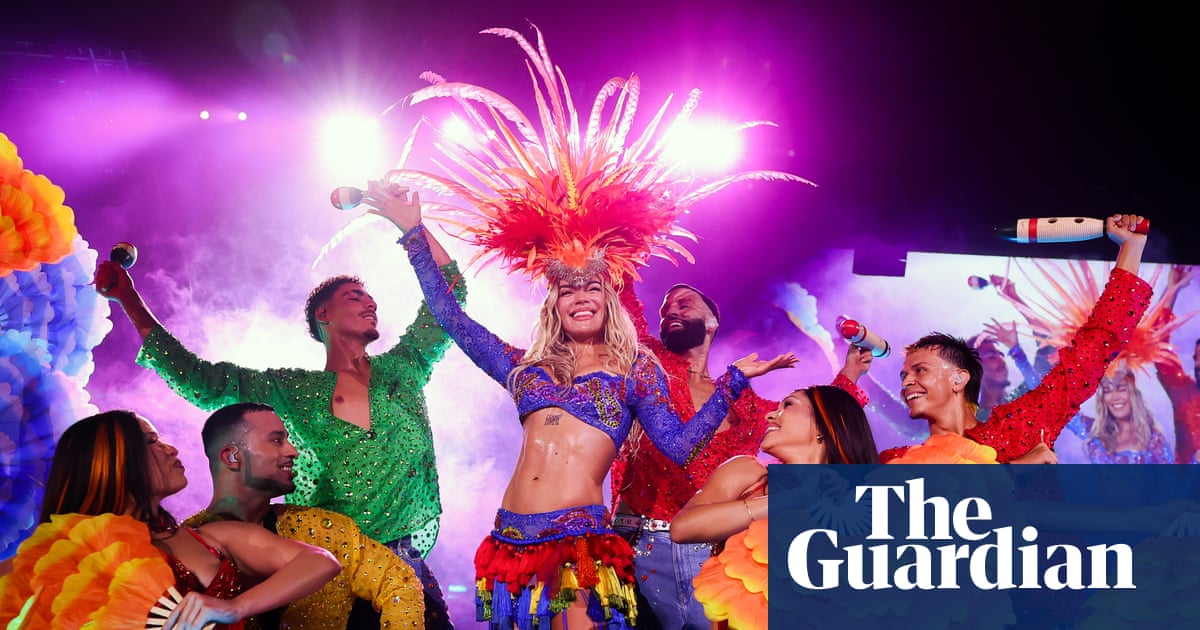
The festival’s reputation as an escape meant that political topics were largely avoided, aside from generic expressions of peace and unity, and some humorous commentary from Julian Casablancas, the frontman of The Strokes. During his Saturday night performance, he asked the audience about their excitement for the draft, only to clarify that he meant military registration rather than the NFL draft, prompting a decidedly unenthusiastic response. Sunday’s headliner, Karol G, made history as the festival’s first Latina headliner in 27 years, delivering a performance that subtly celebrated Latina pride and unity while referencing the ongoing immigration issues in the U.S. Other artists, such as Wednesday’s Karly Hartzman, made direct political statements, decrying ICE and advocating for Palestine during their sets, while David Byrne projected visuals of anti-ICE protests during his performance of “Life During Wartime.” Despite this, Coachella maintained an oddly sanitized atmosphere, running under the auspices of Anschutz Entertainment Group, owned by billionaire Philip Anschutz, known for supporting various Republican causes.
Despite the necessary critiques, the festival succeeded once again in providing a diverse array of high-caliber entertainment and joy. Artists brought their best performances to a stage that can significantly elevate their careers, as evidenced by breakout star Chappell Roan. The festival kicked off with a high-energy set from Slayyyter, who captivated a surprisingly large crowd for an early Friday slot. Nine Inch Noize, a collaboration between Nine Inch Nails and Boys Noize, delivered a groundbreaking performance filled with immersive bass, while Jack White’s set reached exhilarating heights as he played “Seven Nation Army,” leaving attendees breathless.