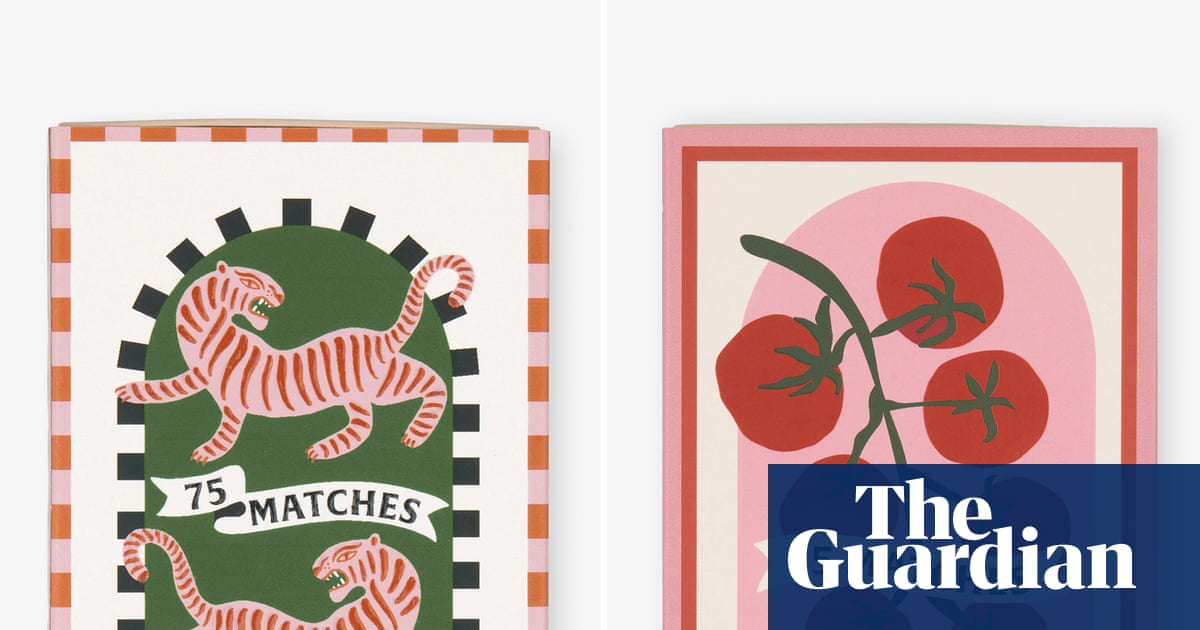

The traditional matchbox is experiencing a remarkable transformation as it becomes a coveted luxury item, with high-end brands stepping into the market, replacing the classic Swan Vesta with names such as Cartier. This trend has led to a significant increase in sales, particularly at Selfridges, where the upscale department store has reported a 121% year-on-year rise in the sales of designer matchboxes. The store now offers an extensive selection of over 100 different styles, with prices ranging from £5 to upwards of £230, indicating a growing demand for these chic home accessories.
Among the most luxurious offerings is a trio of match tubes created by Cartier, adorned with panther designs and containing 80 matches each, priced at £235. Additionally, Jo Laing, a designer known for her ceramic-topped matchboxes, has seen her sales surge by 60% year on year, with her products now available at Harrods. Laing noted that her limited edition boxes, which retail for £70, often sell out quickly due to high demand.
The matchbox originated in the late 19th century when manufacturers recognized their potential as advertising spaces, leading to a unique art form characterized by vibrant labels that conveyed everything from political messages to brand promotions. Concurrently, more extravagant matchboxes made of materials like silver, gold, and ceramics began to emerge, although their popularity waned following the implementation of smoking bans.
Interestingly, the new wave of designer matchboxes seems to cater to affluent consumers, but industry experts suggest that this trend also reflects a more prudent approach to spending. Shoppers are seeking affordable means of indulgence, opting for stylish matches as an alternative to expensive candles. Bia Bezamat, cultural insights director at Kantar, highlighted a growing trend for small luxuries, emphasizing that these “little treats” provide a welcome escape from the challenges of rising living costs.
Claire Dickinson, a senior strategist at WGSN Interiors, referred to this phenomenon as the “lipstick effect,” where consumers gravitate toward smaller, more accessible luxuries during economic downturns, replacing pricier items like designer handbags. She pointed out that these matchboxes exemplify the concept of “beautilities”—functional items designed for aesthetic appreciation.
Henrietta Klug, head of home at Selfridges, remarked that these once-ordinary objects are now gaining status as desirable items, proudly displayed in homes and featured in some of London’s trendiest bars and restaurants.
Notable items include the Debonnaire silver matchbox priced at £843, a set of three Diabolo de Cartier graphic-print matchboxes available for £225, the Panthere de Cartier graphic-print matchboxes set, also priced at £235, Jo Laing’s ceramic moon matchbox at £70, and a refill for the L’Objet matchbox costing £25.