
How can one properly store leftover rice, and what meals can be prepared from it the following day? This inquiry comes from Michael via email.
Amy Poon, from Poon’s at Somerset House in London, humorously notes the common practices surrounding rice storage. “There are countless individuals in China who don’t rush to cool their leftover rice, yet they manage to stay healthy,” she observes. However, she emphasizes the importance of proper food safety: “It is crucial to cool the rice swiftly, ideally within an hour, and then place it in an airtight container before refrigerating or freezing it.” This advice is supported by food science expert Harold McGee in his book, On Food & Cooking, where he warns that raw rice often contains dormant spores of Bacillus cereus, a bacterium that can produce harmful toxins. These spores are resilient, with some surviving the cooking process. Therefore, adhering to good storage practices is vital to inhibit bacterial growth and to explore various culinary possibilities.
Ping Coombes, author of Rice, asserts that rice is an exceptionally adaptable grain to have on hand. She adds that there is an additional advantage to cooling rice: “As rice cools, the molecules undergo a transformation known as retrogradation, forming tighter bonds.” This process results in the creation of resistant starch, which slows down energy release. “Consuming chilled, pre-cooked rice allows for a more gradual release of sugar molecules into the bloodstream, helping to maintain a feeling of fullness and stabilize blood sugar levels.” Now, let’s explore some meal ideas for Michael.
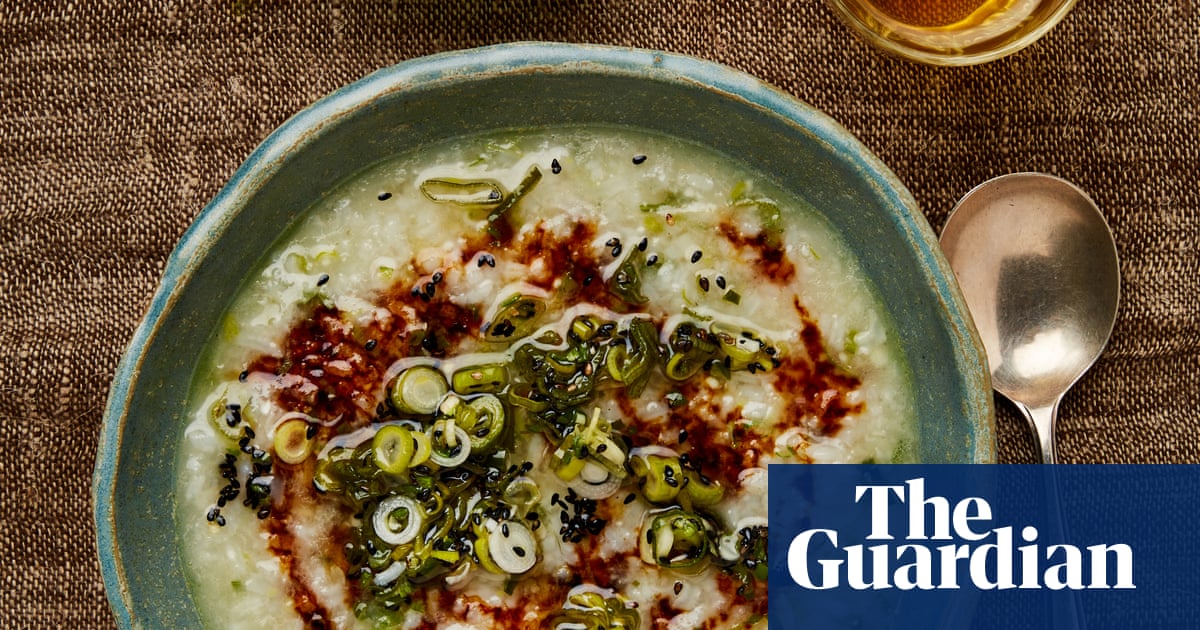
One option is to prepare fried rice, a perfect way to utilize leftover ingredients, as Poon suggests. Alternatively, leftover rice can be transformed into congee. “Making congee from scratch can be time-consuming, but with leftover rice, simply add boiling water and simmer until you reach the desired consistency,” she explains. Although it may lack the silkiness of traditional congee, it still offers a comforting dish. Another idea is soupy rice: “Add boiling water or stock over the cooked rice, followed by chopped spring onions, ginger, and vegetables like pak choi, and finish with toasted peanuts.”
For those with leftover risotto, arancini are an excellent option. Michael Lavery, head chef and co-founder of Forza Wine in London, advises that the colder the risotto, the easier it is to shape. “Typically, these are formed into round balls in the Palermo style, but you can opt for the coned Catania shape if you’re feeling adventurous and want to experiment with different fillings.” Sticking with Italian cuisine, Em Brightman, head of food at Angela Hartnett restaurants, enjoys transforming leftover rice into a frittata or riso al salto, a traditional Milanese rice cake known for its crispy, caramelized crust.
Another creative approach could involve making rice-cake canapés, as snacks are essential when serving drinks. “To achieve a neat presentation, press the rice into a cake tin, allow it to set, then slice and pan-fry or roast,” suggests Poon. Alternatively, you can roll the rice into balls and flatten them with your hands. For toppings, consider chili sauce or, as recommended by Poon’s daughters, Philadelphia or grated cheese. “Think of these as rice crackers,” she adds.
If you have a culinary question, feel free to reach out at feast@theguardian.com.