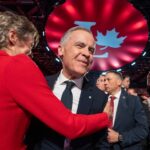

On Tuesday, the Kremlin expressed its contentment regarding the openness of Hungary’s newly elected Prime Minister Péter Magyar towards practical discussions. This comes as Moscow adopts a cautious stance following the electoral defeat of Viktor Orbán, its long-time ally in Europe.
Kremlin spokesperson Dmitry Peskov remarked, “At this moment, we are pleased to observe what seems to be Magyar’s readiness for pragmatic dialogue. We are also prepared to engage, and we will observe the actions taken by the new Hungarian administration moving forward.”
Notably, the day prior, Moscow refrained from congratulating Magyar on his electoral success. Peskov emphasized that Hungary no longer holds any special privileges and is now categorized among “unfriendly countries” similar to the rest of Europe.
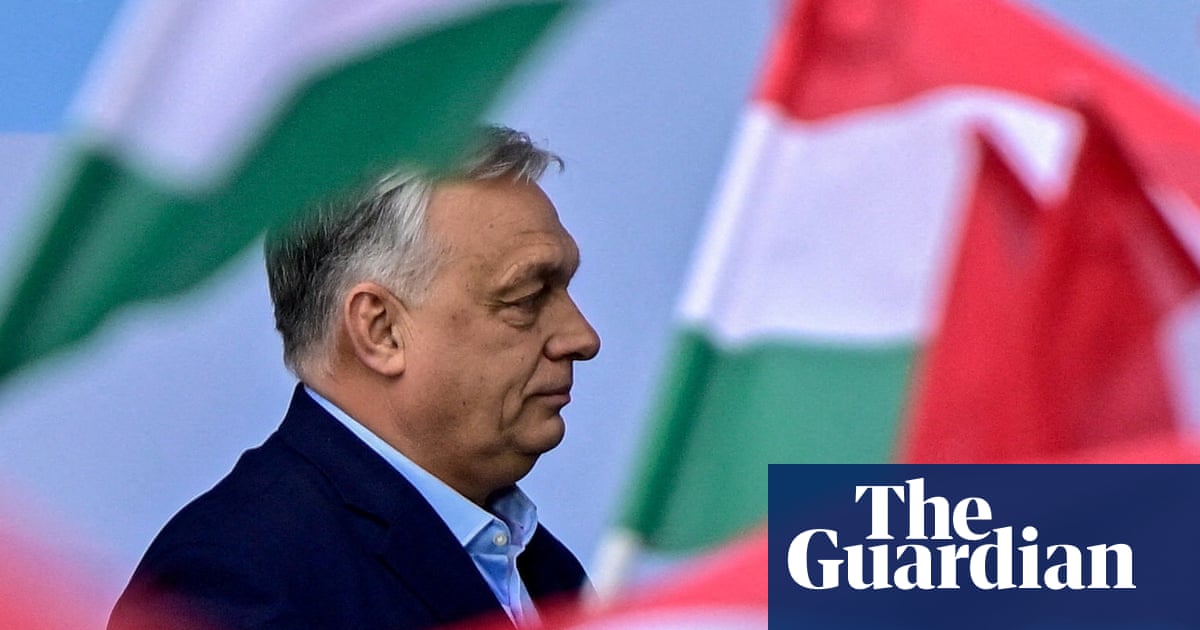
The significant defeat of Orbán has compelled Moscow to recognize the loss of an essential partner in Europe. “Hungary has made its choice, and we respect that decision,” Peskov stated on Monday.
In a strategic move, Moscow seems to be minimizing the implications of losing Hungary as a key ally, echoing its approach following the decline of Bashar al-Assad’s regime. Previously, the Kremlin distanced itself from Assad to maintain influence with Syria’s emerging leadership.
Peskov asserted, “We were never allies with Orbán,” while reiterating that Moscow remains open to fostering positive and mutually advantageous relations with Budapest.
In his initial remarks on Monday, Magyar indicated that a severe break with Russia is unlikely. He conveyed that Hungary would continue a practical foreign policy, which includes ongoing purchases of Russian oil and a cautious stance regarding Ukraine, while also aiming to recalibrate ties with Western nations.
The incoming prime minister faces the challenge of managing a struggling economy that is heavily reliant on Russian energy, which constitutes over 80% of Hungary’s fossil gas and crude oil supply. This dependence is expected to provide Moscow with leverage over Hungary for the foreseeable future. “Russia will remain a factor, and Hungary will persist. However, we will seek to diversify,” Magyar noted.
He has made it clear that he does not intend to replicate Orbán’s role in the relationship with Putin. Notably, he has unequivocally characterized Russia as the aggressor in the ongoing conflict with Ukraine.
This stance signifies a marked shift from Orbán’s previous rhetoric regarding Russia’s full-scale invasion. For years, Orbán and Putin openly expressed mutual admiration and collaborated effectively both publicly and privately.
Since the onset of Russia’s military actions in 2022, Hungary has actively sought to dilute the EU’s response, lobbying against sanctions, obstructing aid to Kyiv, and recently vetoing a significant EU loan essential for Ukraine’s defense against Russian aggression.
Leaked conversations revealed that Orbán had previously expressed his servitude to the Russian leader, stating, “I am at your service.” Furthermore, Russian intelligence and state-affiliated media were reportedly involved in attempts to influence the electoral outcome in favor of Orbán.
The political ramifications of Russia’s diminished influence were palpable in Budapest, where celebrations included chants of “Ruszkik, haza” (Russians, go home), a slogan originating from the Hungarian Revolution of 1956, which was revived by Orbán’s opponents during the election campaign to protest his government’s close relationship with Moscow.
According to political analyst Alexander Baunov from the Carnegie Endowment for International Peace, the results of the Hungarian election serve as a wake-up call for the Kremlin. He noted that Orbán’s removal reinforces the perception among some hawkish factions that relying on Kremlin-friendly leaders in Europe—where democratic systems can produce unexpected shifts in power—poses a significant risk.
“In Moscow, the lesson drawn is that only genuinely authoritarian regimes can be counted on as reliable partners, and the hope that the West might someday emulate Russia is misguided,” Baunov explained.
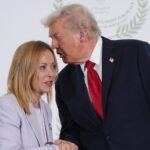
This cautionary insight extends beyond Hungary, as Baunov cautioned against overestimating figures like Donald Trump, who could just as easily vanish from the political scene as he emerged.
Some observers pointed to Trump’s declining approval ratings in the U.S. and questioned whether the Kremlin has a contingency plan for a potential successor who may adopt a more adversarial stance toward Russia.
“I wonder if there’s a clever strategy in place for that,” commented Fighterbomber, a Russian military aviation Telegram channel associated with the air force. “In Trump’s place could come a conventional American president, ready to provide Ukraine with whatever weaponry it requires and offer extensive support.”
Despite these uncertainties, the prevailing sentiment among Russia’s extensive network of commentators and pro-war bloggers is that Moscow can only rely on itself in the ongoing conflict in Ukraine.