During a recent inquiry into the youth justice system in New South Wales (NSW), numerous legal experts voiced their concerns regarding new bail regulations. They contended that these laws compel minors to admit guilt for offenses they may not have committed in order to avoid incarceration.
The bail regulations, which were first enacted in 2024 and later expanded, were a response to rising crime rates in rural areas. Youth law specialists criticized the NSW government’s stringent bail policies, describing them as a product of reactive political decisions rather than thoughtful legislation. They argue these laws are pressuring young individuals to plead guilty to avoid remaining in detention.
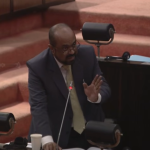
On Wednesday, at the state parliamentary inquiry, several lawyers testified that the updated bail laws have resulted in an increased number of youths remaining in custody prior to their court appearances. These laws specifically target repeat offenders aged 14 to 18 who face charges for particular crimes, such as vehicle theft or burglary, while already on bail for similar offenses.
James Clifford, a representative from the Aboriginal Legal Service, reported to the inquiry that it has become increasingly common for minors to be denied bail, leading to extended periods in custody for crimes for which they are ultimately found not guilty or that are never formally charged. “It’s not unusual for a child to spend a considerable amount of time in detention, only to be exonerated or have charges dropped on the day of their hearing,” Mr. Clifford noted.
Mr. Clifford also shared an example of a young client from the Northern Rivers region who considered pleading guilty to an offense solely to secure his release from custody, understanding that the penalty would likely involve community service. This individual was detained due to alleged offenses committed while already on bail for two other charges, which were later dismissed due to insufficient evidence.
Jane Sanders, principal solicitor at Shopfront Youth Legal Centre, highlighted that the current system creates a “perverse incentive” for minors to plead guilty, ultimately exacerbating their exposure to the justice system. “We must move beyond reactive political measures. These are children we are discussing,” she emphasized.
The stricter bail laws were introduced amidst public concern regarding crime spikes in rural communities, such as Moree. NSW Attorney-General Michael Daley explained that judicial officers are now required to deny bail unless they can be significantly assured that the young person will not engage in further similar offenses.
When the government chose to extend these regulations in March of the previous year, they noted that the rate at which children were denied bail under the new laws was twice that of overall youth offenses.
Ms. Sanders acknowledged the importance of community safety but argued that juvenile detention facilities are not the most effective solutions for young offenders, many of whom struggle with cognitive disabilities. “These children often lack the mental and developmental capability to comprehend legal repercussions,” she stated. “Traditional punitive measures, even if adapted for minors, are fundamentally unsuitable and ineffective.”
She criticized the ongoing “reactive” political climate that has led successive state administrations away from evidence-based policies, which indicate that early intervention and rehabilitation are more effective at preventing recidivism among youth.
Earlier in the hearing, Judy Barraclough, CEO of Youth Off the Streets, reported that two early intervention initiatives run by her organization achieved a 100 percent success rate, with none of the participants re-offending during the year-long program. All attendees successfully re-engaged with either educational or employment opportunities.
Mr. Clifford expressed his support for the government’s decision to provide additional funding to the Aboriginal Legal Service for intervention programs in Moree, but he cautioned that the bail laws undermine these efforts by increasing the number of youths entering the justice system. “It’s incredibly frustrating to witness the developments of the past few years,” he remarked.