
Nearly five decades ago, a remarkable moment in wildlife cinematography took place during the production of the groundbreaking BBC series, “Life on Earth.” While filming in the lush forests of Rwanda, renowned broadcaster David Attenborough unexpectedly found himself surrounded by a playful group of gorillas. As they climbed over him, Attenborough turned to the camera and remarked, “There is more meaning and mutual understanding in exchanging a glance with a gorilla than with any other animal I know.”
Today, this iconic sequence continues to evoke strong emotions, which likely inspired the creation of a new documentary titled “A Gorilla Story.” Directed by Oscar-winning filmmaker James Reed and featuring Leonardo DiCaprio as an executive producer, the documentary explores the current state of the same gorillas Attenborough encountered all those years ago.
The film presents a positive narrative for conservationists. In the 1970s, Rwanda’s gorilla population faced severe threats from poaching, leading them to the brink of extinction. Thanks to the conservation efforts initiated by Dian Fossey and the attention brought to the species by Attenborough, the population has made a remarkable recovery.
However, for some individual gorillas, the situation is more complicated. The family known as the Pablo Group, named after the young gorilla who was particularly drawn to Attenborough, is experiencing significant changes. All the gorillas Attenborough once filmed have passed away, and their descendants now dominate the group. Gicurasi, the aging silverback, faces challenges from a younger rival named Ubwuzu, who is eager to assert his dominance.
It is widely understood that projecting human emotions onto wildlife can be misleading, yet Ubwuzu’s behavior is undeniably aggressive. He physically confronts Gicurasi to establish dominance and bullies a younger gorilla named Imfura, leaving him with visible injuries throughout the documentary.
As Attenborough notes, “Perhaps there are only so many beatings a gorilla can take.” This context explains why Imfura seeks refuge within the family when Ubwuzu is distracted, with tragic results that underscore the harsh realities of their lives. The documentary captures themes of violence, power struggles, and grief, presenting a compelling narrative.
However, the film’s hour-long runtime may feel rushed, leaving viewers wanting more time to explore the rich personalities and intricate social dynamics of these animals. The portrayal of their individual roles within their family unit is beautifully executed, making one wish for a more expansive series that could delve deeper into their stories.
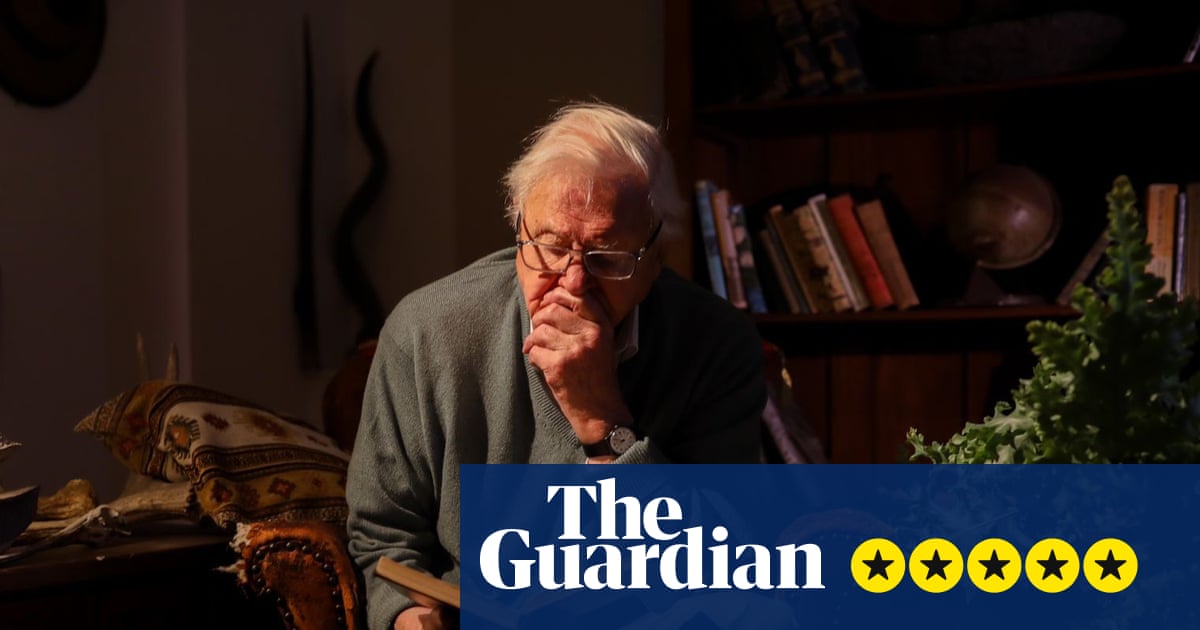
Furthermore, the emotional weight of the documentary is heightened by the presence of David Attenborough, who is approaching his 100th birthday. His reflections on the Rwanda encounter from his diaries—ones that audiences hope will be published—evoke a profound sense of admiration for his storytelling prowess.
The film reaches an emotional peak when Attenborough recounts the story of Pablo, a silverback who became a protector of his family but was tragically killed at the age of 33. While the natural footage in “A Gorilla Story” is undeniably captivating, it is Attenborough’s heartfelt reminiscences that linger in the memory, particularly when he solemnly states, “I will never forget him.”
Attenborough remains focused on the future, as evidenced by the release of this documentary, which is the second in just two weeks. For those who have grown up watching him, this film serves as a poignant reminder of the cherished moments spent with a beloved figure.
“A Gorilla Story: Told By David Attenborough” is currently available for streaming on Netflix.