
Akshay Kumar stars in the upcoming film “Bhooth Bangla,” which features a storyline involving a haunted residence, a talented ensemble cast, and a vengeful spirit. The film’s premise, as seen in its trailers and promotional content, revolves around Kumar’s character who inherits a palace in Mangalpur. He plans to host his sister’s wedding at the palace; however, his excitement is short-lived as marriages are forbidden in Mangalpur due to the wrath of a demonic entity named Vadhusur, said to inhabit the nearby ‘Pishaach van’ forest. Directed by Priyadarshan, who also helmed the earlier hit “Bhool Bhulaiyya,” this film draws on a similar atmosphere of supernatural intrigue.
The theme of haunted houses, havelis, and palaces is a longstanding convention in Indian horror cinema. These expansive yet eerie residences often serve as the perfect setting for narratives filled with suspense, where characters encounter malevolent spirits and navigate through dimly lit halls, cobweb-covered furniture, and unsettling noises. The house itself frequently acts as a character, possessing its own dark history and spectral residents with tales of woe.
Typically, these stories center on a single dwelling that embodies fear and supernatural occurrences, whether it be a grand palace like in “Bhool Bhulaiyya” or modest apartments as depicted in films like “Bhoot” and “13B.” These locations are often marked by a history of violence or injustice, which leads to the tragic demise of an innocent soul. In “Bhoot,” for instance, the protagonist Swati (played by Urmila Matondkar) moves into an apartment where a gruesome murder took place, and the vengeful spirit of the victim seeks retribution through possession.
Numerous Indian films have featured the concept of a female ghost, often portrayed as a figure of vengeance who disrupts the lives of the living. This trope can be traced back to classic films such as “Mahal” (1949), “Bees Saal Baad” (1962), and “Woh Kaun Thi” (1964). Interestingly, while these female characters are generally depicted as submissive during their lives, their spirits transform into formidable entities after death, symbolizing a release from societal constraints. This duality is evident in characters like Tabu’s Anjulika/Manjulika in “Bhool Bhulaiyya 2,” who embodies the concept of unfinished business, and Malini in “Raaz,” who seeks revenge in the afterlife.
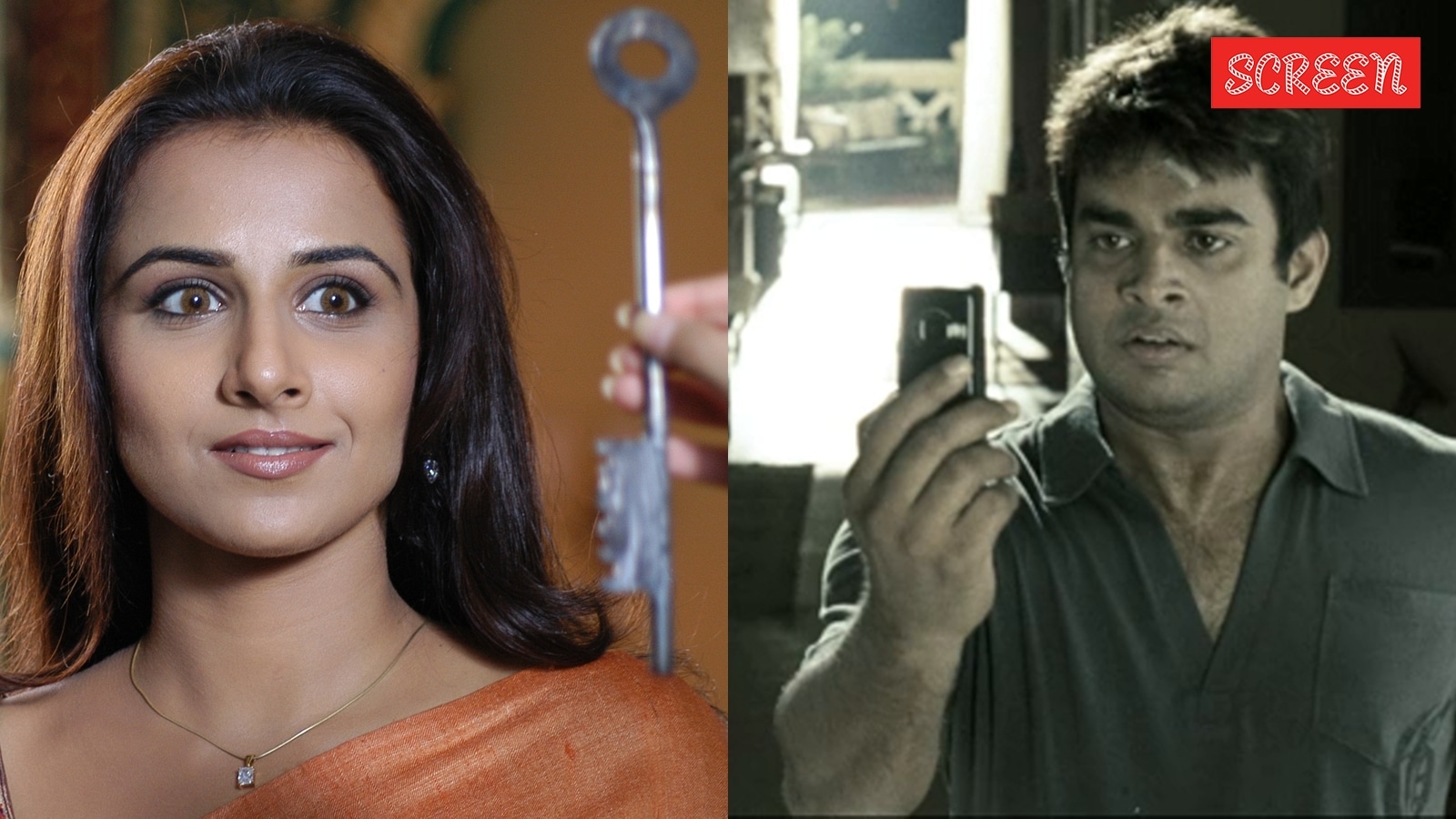
In some narratives, what is perceived as possession may actually reflect deeper psychological issues. For example, in “Bhool Bhulaiyya,” Vidya Balan’s character is not truly possessed but is suffering from dissociative identity disorder, embodying the ghost of Manjulika as a means of confronting past injustices. Similarly, in the critically acclaimed film “Bhoothakaalam,” characters Vinu (Shane Nigam) and Asha (Revathy) grapple with personal demons, leading to a blurred line between reality and hallucination until true supernatural elements are revealed in the climax.
Filmmakers have continually reinterpreted the horror genre and the haunted house trope in innovative ways. In “Bulbbul” (2020), the narrative focuses on a young woman from an aristocratic background who becomes a vigilante after enduring abuse. Director Anvita Dutt skillfully intertwines the myth of a ‘chudail’ with a critique of patriarchal oppression, effectively shifting the source of horror from the supernatural to societal issues. Other noteworthy films such as “Bramayugam,” starring Mammootty, and “Tumbbad” delve into folklore to explore human flaws and systemic injustices as central themes of horror.
“Bramayugam,” presented in black and white and set in the late 17th century, weaves a chilling tale of caste oppression, while “Tumbbad” follows Vinayak (Sohum Shah) as he risks everything to extract gold from a haunted mansion, illustrating the destructive nature of greed. Although many horror films focus on a single ghost or spirit driving the fear, there are narratives like “13B,” which feature multiple entities with a shared objective, enriching the complexity of the horror experience.