
Recent research has pinpointed significant ammonia pollution hotspots in the UK, particularly in regions with a high concentration of intensive pig and poultry farming. A newly released map highlights that the most acute levels of ammonia emissions are found in Lincolnshire, Herefordshire, and Norfolk, areas characterized by numerous intensive livestock operations, as reported by Compassion in World Farming (CiWF) and Sustain.
This study emerges amid governmental efforts to revise planning regulations to facilitate the establishment of more intensive livestock farms, despite existing worries regarding water quality, air pollution, and local resistance, as noted by the Guardian earlier this month.
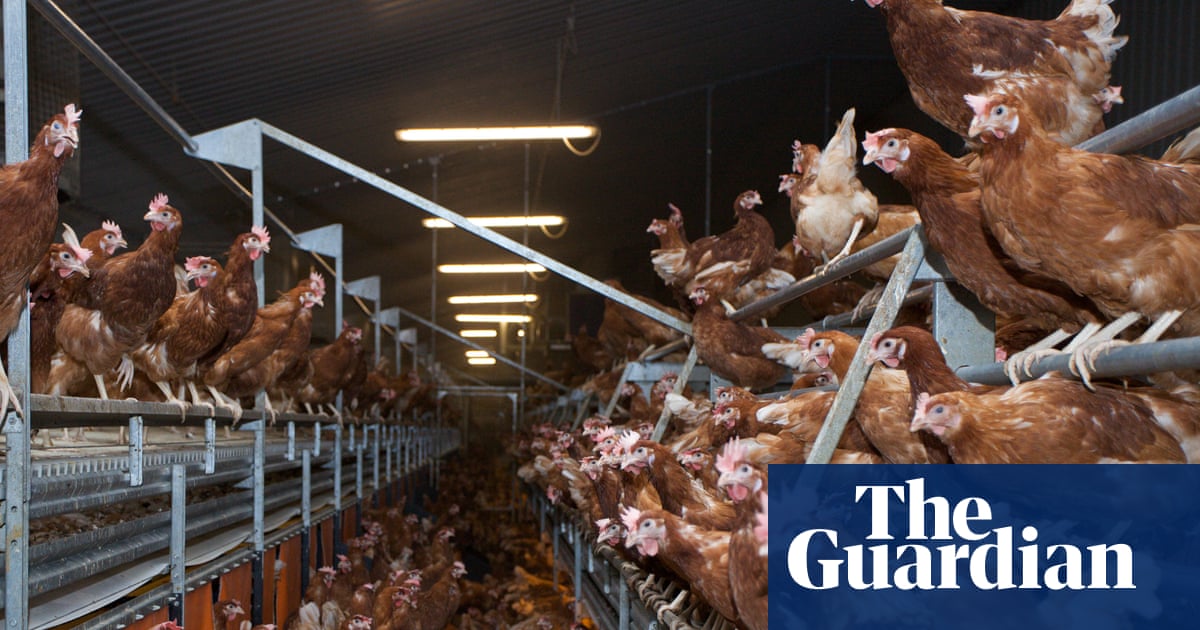
Ammonia emissions pose serious risks to both human health and the environment. In the UK, agriculture accounts for 89% of the total emissions of this nitrogen-based gas, which is commonly associated with fertilizer production and livestock waste. According to the report released by CiWF, industrial-scale animal farming exacerbates the environmental and health challenges linked to ammonia pollution.
Once emitted into the atmosphere, ammonia interacts with other pollutants, resulting in the formation of PM2.5 particulate matter, recognized as one of the most harmful types of air pollution. The Committee on the Medical Effects of Air Pollutants (COMEAP) estimated that exposure to human-made PM2.5 contributed to nearly 29,000 premature deaths in the UK in 2010.
Modeling suggests that a reduction in agricultural emissions could lead to a significant decrease in mortality rates.
Dr. Amir Khan, a general practitioner and supporter of CiWF, emphasized the health consequences of air pollution, stating, “As a GP, I witness the impact of air pollution on health, and ammonia from intensive farming is a crucial, yet frequently ignored, aspect of this issue. The fine particulate matter resulting from ammonia exposure is linked to serious health conditions such as heart disease, stroke, asthma, and chronic lung diseases, affecting our most vulnerable populations.”
Excess nitrogen from ammonia deposition not only acidifies soils but also contaminates water bodies. In Shropshire, activists recently halted the approval of a large poultry farm by successfully arguing that the local council failed to consider the full environmental implications of permitting an industrial operation housing 230,000 chickens.
The increase in large intensive poultry units, known as IPUs, in the valleys of the Rivers Wye and Severn has been identified as a major contributor to water pollution, as chicken waste contains higher levels of phosphates than other types of animal manure, which deplete oxygen levels for aquatic life.
The map released on Thursday estimates ammonia emissions generated by industrial livestock operations, based on permitted stocking levels and average ammonia output for various livestock types, including broiler chickens and pigs.
Michele Franks, a resident near a poultry megafarm in Lincolnshire, shared her experience with researchers, stating that emissions often compel her to stay indoors, causing chest tightness, eye irritation, and breathing issues during shed clean-outs lasting up to five days. “When the chicken sheds are cleaned out, the odor and polluted air hit me immediately – my chest tightens, my eyes sting, and I have to close all the windows in my house just to manage,” she explained. “I have asthma, and for days I can’t even go into my own garden. They say to escape to the countryside for cleaner air, but no one should have to live trapped between industrial farms that make it hard to breathe.”
CiWF and Sustain are advocating against the expansion of factory farming. Anthony Field, the head of Compassion in World Farming UK, commented, “Factory farming is central to the ammonia crisis in the UK. By overcrowding animals in confined spaces and heavily relying on fertilizers, these intensive systems release more ammonia than the environment or our bodies can handle. This leads to widespread harm – impacting the animals in these systems, the people inhaling the contaminated air, and the ecosystems that are overwhelmed by excess nitrogen.”