
In the realm of politics, conflicts and economic instability serve as significant drivers for change, often prompting a divide among individuals. Some view crises as a chance to pursue previously unthinkable reforms, while others see such ambitions as misguided distractions from more practical needs, advocating instead for a return to frugality and sacrifice.
As the deadline for the federal budget approaches in just over three weeks, these differing perspectives are influencing nearly every aspect of budget considerations, including the potential implementation of a gas tax targeting the substantial profits of predominantly foreign-owned liquid natural gas (LNG) exporters.
This year’s budget presentation, scheduled for the second Tuesday of May, coincides with extraordinary historical events, raising the stakes significantly. The complexity of crafting an effective budget under current conditions is notably heightened.
Jim Chalmers, the Treasurer, acknowledged the evolving budgetary landscape during an interview with ABC’s Sally Sara, stating, “The budget we initially planned in February will not resemble the one I deliver on May 12.” In February, prior to the onset of the conflict in Iran and the subsequent global energy crisis triggered by the closure of the Strait of Hormuz, Chalmers was already grappling with the fiscal challenges posed by escalating inflation and interest rates.
Typically, this would prompt recommendations for collaborative efforts between the Treasury and the Reserve Bank to enforce spending limitations. However, reports suggest that nearly 80 percent of the budget proposals submitted in December were rejected, indicating a shift in governmental priorities as the focus increasingly turns toward managing inflation.
Sources indicate that there has been a significant reduction in new policy proposals, with the ongoing war complicating these fiscal challenges further. Andrew Hauser, Deputy Governor of the Reserve Bank of Australia, emphasized the necessity for government backing in making interest rate decisions that will mitigate inflation, despite potential voter backlash. He remarked, “You need unwavering support from governments when making tough choices.”
When asked if he would provide that support if interest rates rise, Chalmers acknowledged that economic conditions are expected to worsen before they improve, stating, “While we have different responsibilities, we share the same goal: to assist Australians through this challenging period, considering the pressures on inflation and the economic slowdown.”
The central bank faces a difficult task in managing an energy crisis with an uncertain duration. A brief shock might not necessitate drastic measures that could harm the economy, but a prolonged crisis could lead to adverse consequences for consumers if interest rates are raised too high. Economist Saul Eslake warned that such an approach could heighten the risk of recession, suggesting that interest rate increases should only occur if inflation appears to be persistently elevated.
As discussions around the budget continue, there are underlying concerns regarding the political implications of Australia’s debt nearing the $1 trillion mark in the coming months. Speculation persists about the budget’s contents, which the Prime Minister noted would be finalized later than usual.
The government is reportedly prioritizing two new focuses that emerged post-February: assisting households affected by the energy crisis and addressing vulnerabilities in fuel supply, exacerbated by the situation in the Persian Gulf and the recent fire at the Geelong refinery. Chalmers stated, “The budget will remain ambitious, concentrating on resilience and economic reform.”
According to budget expert Chris Richardson, the government will benefit from a new surge in tax revenues driven by higher energy and commodity prices, which will boost export earnings. Additionally, rising inflation will enhance nominal GDP, further increasing tax revenues. Overall, he predicts that the budget will reflect an improvement of approximately $30 billion over the next four years compared to last year, aiding in funding for defense, fuel security, and support for households. However, the government faces the challenge of utilizing this additional funding without exacerbating inflation.
Another consideration is how the current economic climate will affect broader governmental initiatives, such as the long-discussed universal childcare program, which has been positioned as a significant goal for the current administration. However, reports suggest that this ambitious plan may not materialize in the upcoming budget, with expectations being tempered towards a more modest approach. The Prime Minister has expressed a desire for childcare to be a lasting legacy of his tenure, linking it to cost-of-living and productivity improvements.
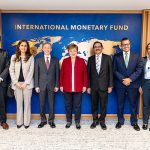
Nevertheless, universal childcare is an expensive commitment, potentially costing around $10 billion annually, which would need to be reconciled with the recent $53 billion increase in defense spending and the ongoing expansion of the National Disability Insurance Scheme that outpaces overall economic growth. Furthermore, warnings from the International Monetary Fund about the risk of a global recession could significantly impact revenue streams, raising concerns that long-term financial commitments may rely on unstable revenue sources.