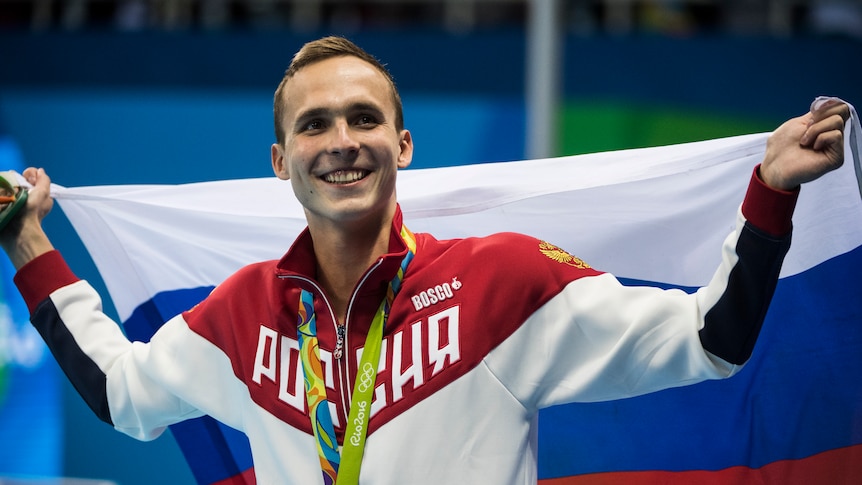

World Aquatics has officially become the first prominent Olympic sport to permit athletes from Russia and Belarus—including swimmers, divers, and water polo players—to participate without any limitations. This significant decision comes as the world prepares for the 2028 Los Angeles Olympics, which is just two years away.
Following the Russian invasion of Ukraine in 2022, both Russia and Belarus faced widespread bans from numerous international sporting events. However, under the new policy, athletes from these nations will now be allowed to compete with their national flags and anthems, marking a substantial change in the treatment of Russian athletes ahead of the upcoming Olympics. This development has drawn sharp criticism from Ukraine.
On Monday, World Aquatics announced that it would lift previous restrictions that mandated athletes from Russia and Belarus to compete as neutrals and undergo vetting. Initially, in response to the 2022 invasion, the organization barred these countries from its events, including world championships, before relaxing the rules to allow limited participation as neutral competitors a year later. The latest decision further eases those regulations.
In a statement, World Aquatics clarified that senior athletes from Belarus and Russia will now be permitted to compete alongside their peers from other nations, wearing their respective uniforms and displaying their flags and anthems. The organization had previously made concessions for junior athletes.
Husain Al Musallam, president of World Aquatics, emphasized the importance of fostering environments where athletes from all nations can engage in peaceful competition. While World Aquatics is not the first sports federation to reintegrate Russian athletes—judo and taekwondo had similar moves in recent months—it is the most significant organization to do so.
Russian Sports Minister Mikhail Degtyaryov expressed gratitude to Al Musallam, noting that they had previously discussed this matter in January. He remarked on the importance of international dialogue in restoring sporting relationships.
In stark contrast, Ukraine’s Minister of Youth and Sports, Matvii Bidnyi, condemned the decision. He stated, “Sport should unite around fair rules and respect for life. The return of the flag to a country that blatantly violates these principles is a troubling signal for the entire sports community.” He highlighted the ongoing challenges faced by Ukrainian athletes, who are training amid conflict, arguing that discussions of neutrality in this context are inappropriate.
Ukraine has consistently opposed initiatives allowing Russian athletes to reclaim their positions in international competitions. Last month, Ukrainian representatives led boycotts against the Paralympic ceremonies in protest of Russian athletes competing under their national flag.
In a related incident, Ukraine’s men’s water polo team opted not to compete against a Russian team in Malta, resulting in a 5-0 default victory for Russia, as reported by World Aquatics. Ukrainian media suggested this decision was a protest against the participation of Russian athletes, officially categorized as “Neutral Athletes B.”
World Aquatics has stated that Russian and Belarusian athletes will be required to undergo four anti-doping tests and background checks prior to competing, although specific details regarding these checks remain unclear. This new policy specifically affects World Aquatics events but may influence broader discussions within the Olympic community regarding the re-entry of Russian athletes as the Los Angeles Games approach.
As of now, there has been no immediate response from the International Olympic Committee regarding this policy change. In December, the IOC had recommended easing restrictions on Russian and Belarusian athletes in international youth events, allowing them to compete under their national flags, while still maintaining neutral status for senior competitions, as seen during the Winter Olympics in February.