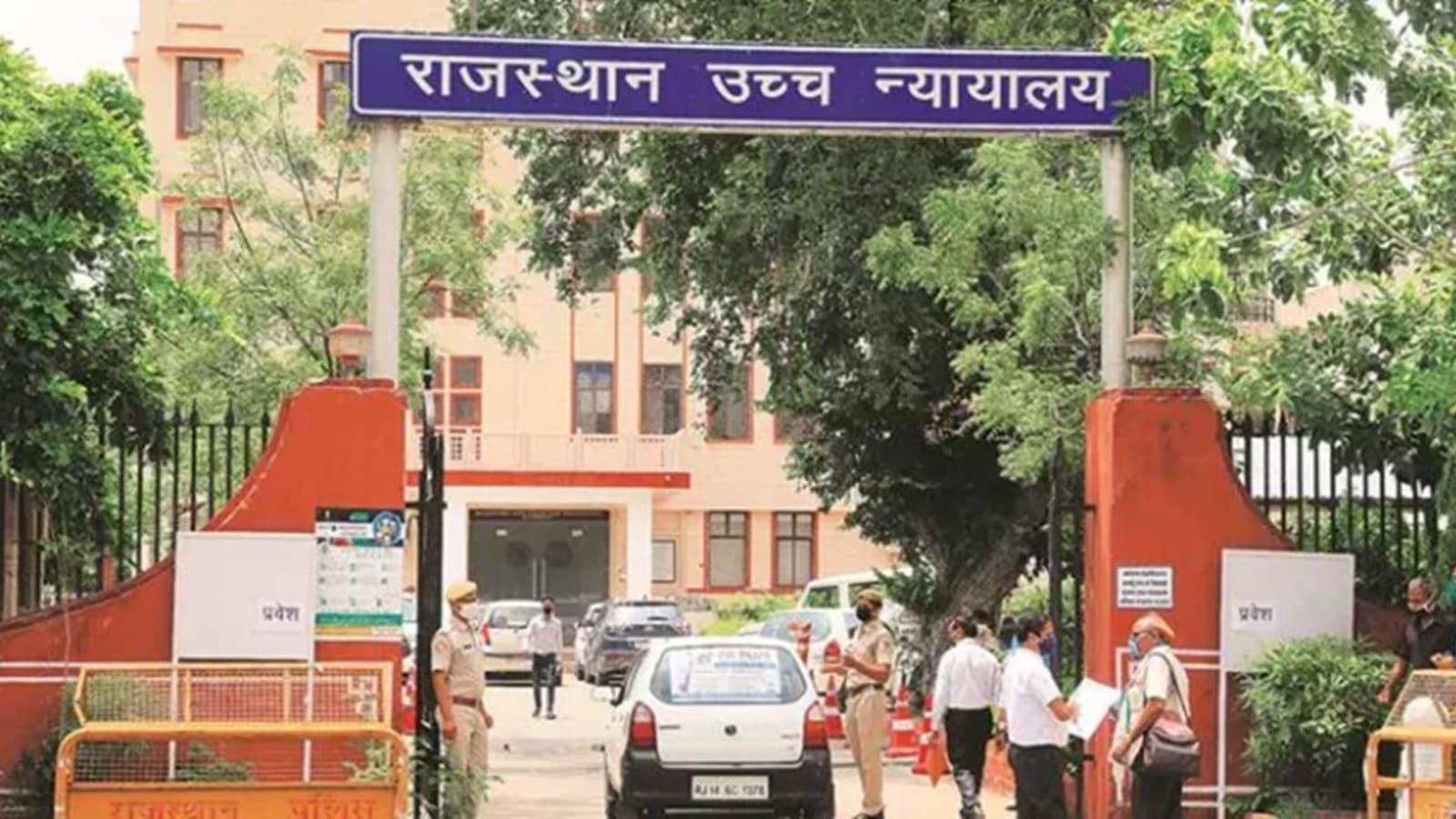

A family facing ostracism for employing a music band and horse at a wedding without the approval of the local panchayat, a Dalit sarpanch being coerced into paying Rs 5 lakh while performing humiliating acts, ongoing failures of existing safeguards to protect couples, a man compelled to undertake expensive rituals following his wife’s death, and a self-appointed panchayat ostracizing a family due to an inter-caste marriage while extorting money from community members are among the incidents that have led the Rajasthan High Court to issue a series of stringent directives aimed at curtailing the influence of khap panchayats in the region.
Last week, Justice Farjand Ali, addressing these pressing social issues, instructed the state government to formulate a policy complete with standard operating procedures to manage complaints related to social boycotts. The court’s orders stemmed from hearings of multiple cases that highlighted the abuse of communal power, social exclusion, financial extortion, suppression of personal freedoms, psychological distress, and a system grounded in fear. The court identified these as recurring societal problems that contribute to the erosion of trust in authorities and the exploitation of vulnerable populations.
In one case from Sirohi district, it was reported that the son of Deepa Ram Meghwal was married in 2019, but certain customary practices were allegedly breached when a band and horse were used during the celebration without prior consent from the panchayat. The complainant claimed that the local panchayat imposed a fine of Rs 1 lakh and initiated a social boycott, restricting his family’s participation in community events without offering them a chance to present their side. He further alleged that the coercive demands for monetary compensation continued, causing him significant mental distress and forcing his family to relocate due to total social exclusion. Initially, no formal complaint was lodged, leading him to pursue legal action under section 153(6) of the Criminal Procedure Code.
In a separate incident from Jodhpur, a couple who married in 2024 at Arya Samaj against their community’s wishes sought court intervention. They claimed that despite the court’s protective measures, the community convened illegal meetings imposing an Rs 11 lakh penalty on them, along with threats to their safety if they did not comply. Despite numerous appeals to law enforcement, the couple reported receiving no meaningful assistance.
In Balotra, Deeparam, an advocate against the practice of mrityu bhoj (death feast), faced pressure from members of a self-styled caste panchayat to pay Rs 5 lakh among other demands, along with threats of social ostracism. He alleged that unlawful gatherings were organized where he and his family were declared outcasts, facing coercive conditions for re-entry into the community, including financial extortion. Despite repeated pleas for police intervention, he contended that no protection was offered, attributing his mother’s death to the mental strain caused by such illegal acts.
In Jalore, Bhaka Ram reported that after his wife, Shanta Devi, passed away, he was coerced by the Panch-Patels into performing costly rituals, including a three-day feast and the immersion of her ashes at Haridwar, accumulating expenses of about Rs 3.5 lakhs through loans. Ram stated that after fulfilling all demands, he and his family were still subjected to social boycott and were asked to pay Rs 5 lakh for reintegration into society. An FIR has been filed concerning extortion and intimidation, and an investigation is currently underway.
Another case from Beawar involved a petitioner alleging that individuals trespassed into his home at night and attempted to violate his wife’s dignity. He claimed that the caste panchayat held meetings to pressure him into retracting his complaint, imposing unreasonable financial demands and enforcing a social boycott on his family for non-compliance. He reported facing physical violence and intimidation while being coerced into making payments under the guise of community resolutions, alongside a false FIR filed against him.
Heeralal Bhati, a Dalit individual, reported that following his child’s inter-caste marriage, a self-proclaimed caste panchayat unlawfully excommunicated him and imposed hefty financial penalties. He asserted that the ostracism continued even after settling these fines, with the panchayat extorting funds from other community members under the threat of exclusion. Despite raising concerns with various authorities, he claimed that no action was taken, prompting him to seek judicial relief.
Lastly, Sarvan Ram, a Dalit sarpanch from Nagaur, alleged that he was subjected to humiliation and harassment by a faction of the panchayat during an unauthorized gathering, where he was coerced into enduring degrading treatment, including standing on one leg with folded hands. He reported receiving threats and facing a social boycott due to arbitrary panchayat decisions.