
Despite escalating rhetoric from U.S. President Donald Trump following the unsuccessful peace talks between the U.S. and Iran in Islamabad on April 11 and 12, Iran is not entirely dismissing diplomatic avenues to resolve the ongoing conflict.
Leading the American delegation, U.S. Vice President J.D. Vance emphasized that Iran’s unwillingness to guarantee it would never pursue a nuclear weapon was a significant obstacle to reaching an agreement.
Conversely, Esmail Baghaei, spokesperson for Iran’s foreign ministry, described the discussions as “laden with mistrust and suspicion,” highlighting the disagreements over issues such as the reopening of the Strait of Hormuz.
While both nations have indicated that no further negotiations are planned, one remark from Baghaei resonated: “Diplomacy never ends.”
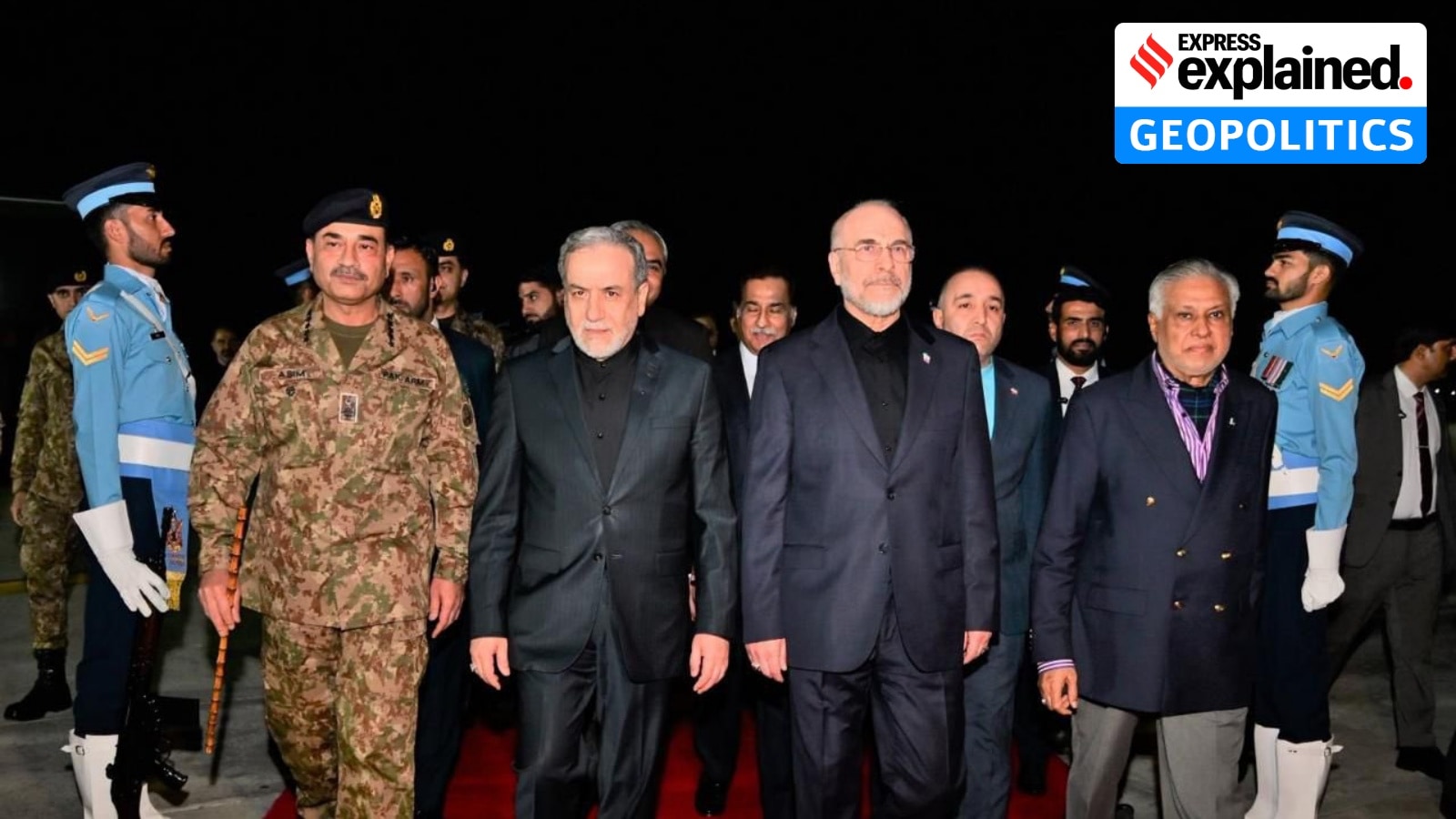
This marked the first direct discussions between the two countries since 1979, and Iran’s serious approach was evident through its large delegation of over 70 members. The inclusion of seasoned diplomats, as well as financial, legal, and military experts, reflected a commitment to addressing persistent challenges related to economic sanctions and nuclear considerations.
The Iranian delegation was led by Mohammed Bagher Ghalibaf, the Speaker of Iran’s parliament, alongside Foreign Minister Abbas Araghchi. Other key figures included Reza Amiri Moghadam, Iran’s ambassador to Pakistan; Ali Bagheri Kani, a member of the National Security Council; Admiral Ali Akbar Ahmadian, a former high-ranking official of the Islamic Revolutionary Guard Corps; General Esmail Ahmadi Moghadam, a retired military leader; and Abdolnasser Hemati, the governor of the Central Bank of Iran.
In the aftermath of the discussions, questions arise regarding the significant players involved and their subsequent remarks.
Since the onset of the conflict in February, Ghalibaf has gained prominence due to his public statements and is viewed as a “pragmatic hardliner” within the Iranian political landscape, making his selection as delegation leader unsurprising.
After the negotiations, Ghalibaf shared on X that the Iranian team had proposed forward-thinking initiatives, yet expressed disappointment that the U.S. had not secured their trust during the talks. His assertion, “we will not for a moment cease our efforts to consolidate the achievements of the forty days of Iran’s national defense,” underscored the high stakes involved.
As the Foreign Minister, Abbas Araghchi played a pivotal role alongside Ghalibaf, particularly due to his involvement in the 2015 Iran nuclear deal which was abandoned by Trump in 2018. Post-talks, he stated on X that Iran had approached the U.S. “in good faith to end war,” but faced “maximalism, shifting goalposts, and blockade” when an “Islamabad MoU” seemed achievable. He cautioned, “Zero lessons learned. Good will begets good will. Enmity begets enmity.”
Reza Amiri Moghadam, Iran’s ambassador to Pakistan, also participated in the negotiations and expressed a more optimistic viewpoint. He described the Islamabad discussions not merely as an event but as a process, stating on X: “The Islamabad Talks laid the foundation for a diplomatic process that, if trust and will are strengthened, can create a sustainable framework for the interests of all parties.”