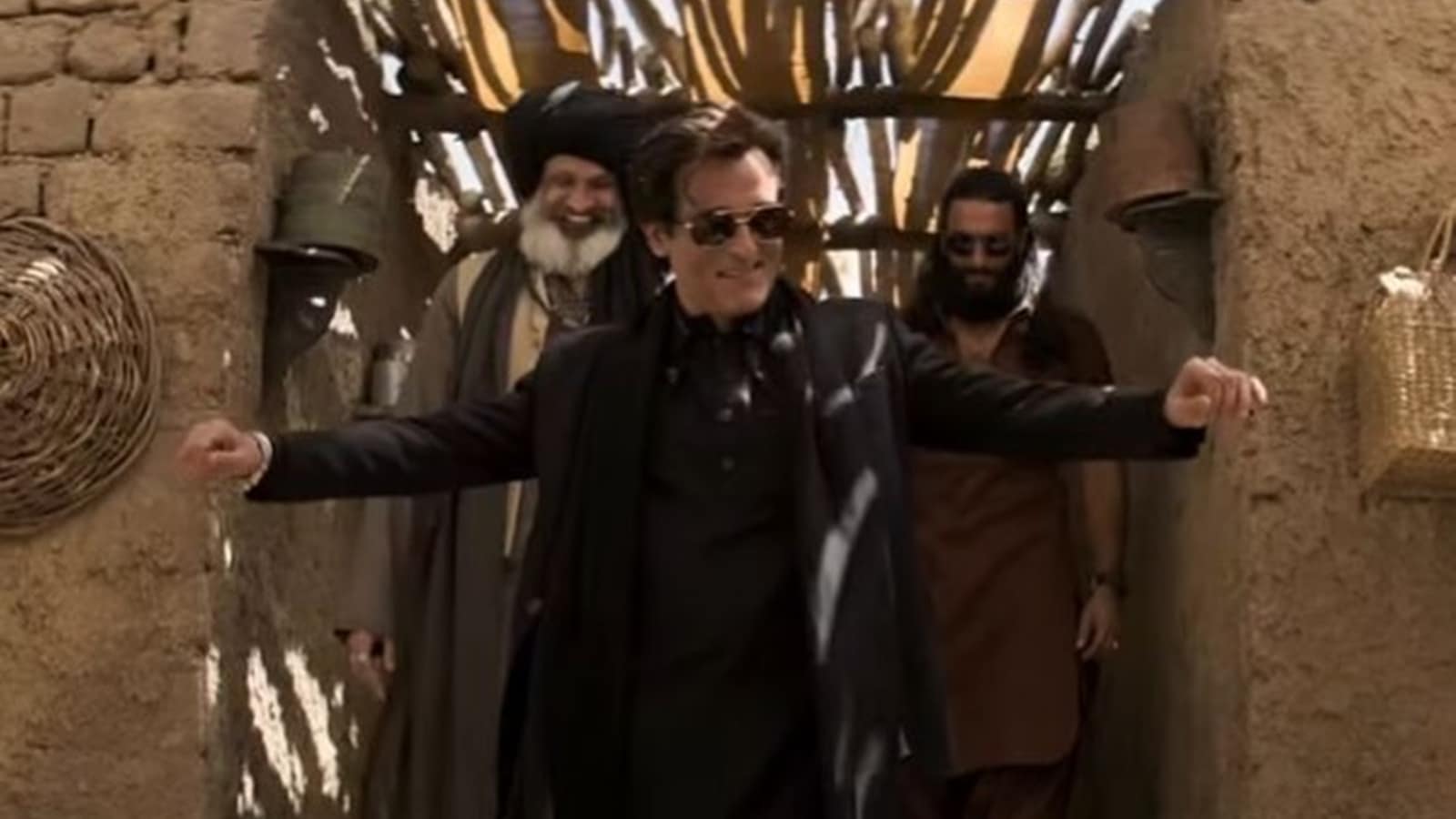

A captivating video featuring men engaged in a traditional Balochi dance has recently gone viral online, captivating viewers worldwide. The performance, characterized by its dynamic and synchronized movements, is a vivid expression of a long-standing celebratory war tradition, offering a unique visual experience that many have never encountered before.
So, what has sparked the current interest in this dance? The film “Dhurandhar,” directed by Aditya Dhar, includes a sequence that highlights this cultural dance, drawing inspiration from traditional war dances like Chaap, which is native to the Balochistan region that encompasses parts of Pakistan, Iran, and Afghanistan.
The sequel, “Dhurandhar: The Revenge,” also features scenes where men dance while wielding rifles, symbolizing valor and pride, and staying true to warrior traditions linked to the Chaap dance form.
Chaap is performed in a circular formation and is accompanied by rhythmic clapping, identifiable by specific patterns of clapping that recur throughout the dance. The movements of women differ slightly from those of men, as they typically step two paces behind, coordinating their moves with gentle circular motions while clapping. In the Balochi language, “chaap” translates to clapping, and the film incorporates genuine cultural expressions into its narrative.
There are various styles of Chaap, including Balochi Lewa, Hambo, and Latti. This dance is often performed alongside traditional Balochi musical instruments and songs, such as Nar Sur, Suroz, Naal, and Taboora.
Professor Priya Joshi, a Dance Academic Specialist at FLAME University, noted that while Chaap originated from tribal warfare customs, it has transformed into a collective cultural expression now commonly seen at weddings, festivals, and community events. The dance, supported by the beats of the dohol and the melodies of the suroz, transitions from subtle movements to lively leaps, demonstrating both discipline and enthusiasm, while prioritizing unity over individualism.
These dance forms are integral to the Balochi community, symbolizing togetherness and continuity. The rhythmic interplay and controlled movements reflect a community ethos rooted in a shared identity.
Professor Joshi added that the visual elements of the dance, including flowing garments, traditional turbans, and intricately embroidered clothing adorned with mirror work, enhance its cultural significance. In an increasingly globalized world, Balochi dance serves as a vital marker of identity, illustrating how movement can preserve heritage and help communities, particularly those in diaspora, maintain and celebrate their cultural legacies across generations.
DISCLAIMER: This article is based on information from public sources and insights from the experts consulted.