
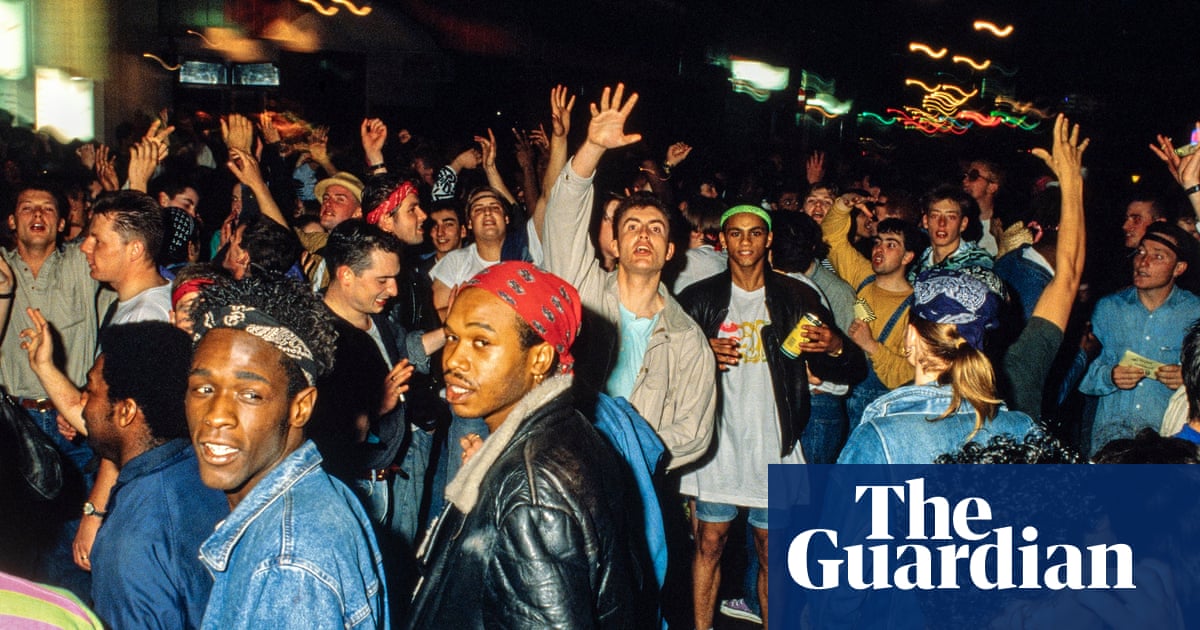

In 1995, Eddie Otchere reminisced about his youthful days cycling along Camden High Street, where he first spotted Kemi, also known as Kemistry. She stood out with her mixed heritage and striking blonde dreadlocks. Their serendipitous meeting led to coffee dates and eventually a romantic relationship. Kemistry, along with her friend Storm, introduced him to the electrifying atmosphere of Fabio and Grooverider’s night event, Rage, which left a lasting impression on him.
While Otchere aspired to create music, Kemistry and Storm were dedicated DJs who spent countless hours behind the decks. He reflects on their talent without considering their gender—what mattered was their skill and ability to captivate the crowd.
Tragically, Kemi’s life was cut short in a car accident in April 1999 while en route to a gig. Despite the heartache, Otchere feels that Kemistry’s spirit continues to influence those who remember her. He keeps a photograph of her in his studio in Thailand, often seeking her silent guidance during his creative process.
In 1989, Janette Beckman captured Slick Rick in a photograph that still resonates with contemporary artists. Estelle, who now resides in the United States, credits Slick Rick with shaping her identity as a Black British artist. His unique storytelling and style have significantly influenced the evolution of British hip-hop. She notes that even in the U.S., her accent is often referred to as “the Slick Rick accent.” When asked to contribute to his upcoming album, Victory, she felt honored, viewing him not only as a legendary figure but also as a mentor.
In a 1979 recollection, Dennis Bovell reflects on the efforts of Linton Kwesi Johnson and Darcus Howe to promote Race Today, a groundbreaking publication. Bovell remembers Linton’s powerful lyrics, which voiced the struggles of marginalized communities. Their collaboration aimed to amplify these messages through music, an endeavor that still feels relevant today.
Roland Gift of the Fine Young Cannibals recalls how his band got the opportunity to tour with The Beat after they handed over a demo. He shares memories of their early performances, often filled with tension between various youth subcultures. Gift reminisces about the excitement of being part of the music scene in the early 80s, from recording sessions to television appearances.
Arlo Parks expresses her appreciation for a vibrant photo capturing Fabio and Grooverider at a street party, reflecting on the communal joy that such gatherings bring. Having immersed herself in club culture, Parks recognizes the pivotal role that the duo played in popularizing drum and bass. Their eclectic mix of music on pirate radio showcased their passion for various genres and their commitment to nurturing new talent.
Lastly, Courtney Pine shares insights from his research into Black musicians, tracing back to figures like John Blanke, an African trumpeter in the court of Henry VIII. This exploration highlights the rich and often overlooked history of Black contributions to music.