
For many years, films produced by Metro-Goldwyn-Mayer Studios have featured Leo the lion’s roar alongside the phrase “ars gratia artis,” which translates to “art for art’s sake.” Although MGM operates as a major commercial entity, this phrase raises questions about the authenticity of its intention. Nonetheless, it encapsulates one of the few genuine motivations for creating films. When art is created solely for reasons such as profit, self-promotion, or propaganda, it loses its essence and fails to represent true artistic expression.
Recently, a promotional campaign for the National Art Pass, which grants free or discounted access to galleries and museums across the UK, caught many off guard. The slogan “See more. Live more” initially resonated, as art indeed enhances our lives. However, it soon became evident that the focus was on quantity rather than quality of experience. The central message was startling: “Grow some years on to your life with art,” claiming that visiting galleries and museums could potentially extend one’s lifespan. This reframing of art suggests it serves a purely physiological purpose rather than a spiritual one. Arts Council England has similarly embraced this viewpoint, asserting that participation in cultural activities offers significant health benefits to individuals and communities.
While the advertisement surprised me, I was not entirely taken aback. For some time now, I have been reflecting on the troubling trend of instrumentalizing various aspects of life—wherein value is often measured by utility rather than intrinsic worth. My awareness of this phenomenon began in 2010 when I reviewed Gretchen Rubin’s book, The Happiness Project, which chronicles her year-long quest for happiness. A particular excerpt stuck with me: during a moment of tension between her and her husband, she notes their hug lasted “at least six seconds,” which she claims is necessary to trigger the release of bonding hormones. This illustrated how her pursuit of happiness was tied to measurable outcomes rather than genuine emotion.
This chilling notion of engaging in relationships or activities solely for their mood-enhancing effects has become a common narrative. Rubin’s reflections on her year-long happiness experiment raised questions about the authenticity of her experiences, suggesting that perceived happiness often takes precedence over truth. As I have observed this trend over the years, it has become increasingly apparent that many positive aspects of life, including creativity, are often promoted primarily for their tangible benefits rather than their inherent value.
The normalization of this instrumentalization has progressed so subtly that it often goes unnoticed, despite its far-reaching consequences. It repeatedly obscures our understanding of what genuinely holds value in life. Before diagnosing the underlying issues and proposing remedies, it is essential to address the seemingly exaggerated assertion that everything is becoming instrumentalized. Although it may sound hyperbolic, I genuinely struggle to identify anything of significance that has not been celebrated for its utilitarian advantages before its intrinsic qualities. Consider religious services, for instance. While many believers consider worship a sacred duty, it is increasingly common to hear arguments suggesting that being part of a church community can lead to longer life and improved mental health.
There are even publications that advocate prayer for its physical health benefits, citing studies that link religious practices to improved cardiovascular health. While these reasons may not be the primary motivations for practicing religion, they are often presented as compelling justifications, sometimes even more credible than the belief in a benevolent deity who cares about one’s Sunday morning activities.
Moreover, we are now even provided with instrumental justifications for sexual activity. A 2015 headline from the Telegraph asserted that “An orgasm a day could keep prostate cancer away,” reflecting a growing belief that sexual activity should be pursued not for pleasure or intimacy but for health benefits.
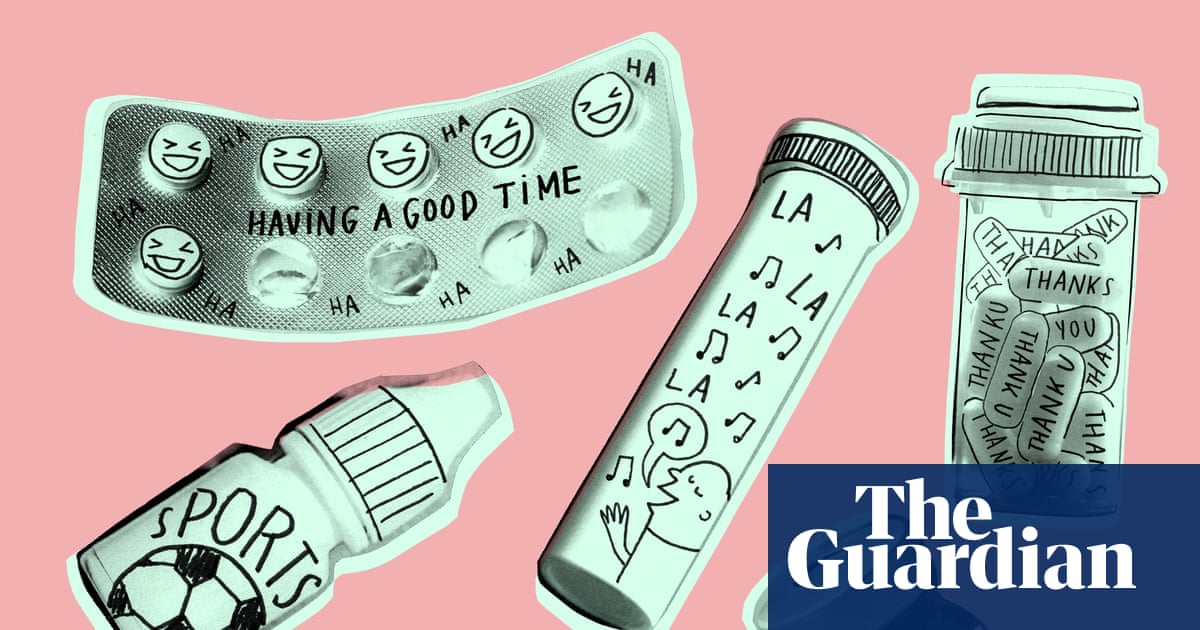
If one were to search for pursuits valued solely for their intrinsic worth, it would likely be a lengthy endeavor. For example, the Opera North website lists ten advantages of singing, yet only one relates to self-expression, while the rest focus on health and well-being benefits. Similarly, advocates for nature often present reasons that cater to self-serving desires, which ironically contribute to humanity’s disconnection from the natural world. The National Trust emphasizes how “walking in nature can help well-being,” while the trend of “forest bathing” promotes nature as a therapeutic escape, reducing it to a mere tool for individual well-being.