
A member of the Victorian Labor party, who is battling motor neurone disease (MND), is advocating for a review of federal legislation that restricts doctors from conducting telehealth consultations regarding voluntary assisted dying (VAD).
Current Commonwealth regulations place physicians at risk of criminal prosecution for allegedly encouraging suicide, despite the legality of voluntary assisted dying in most regions of Australia.
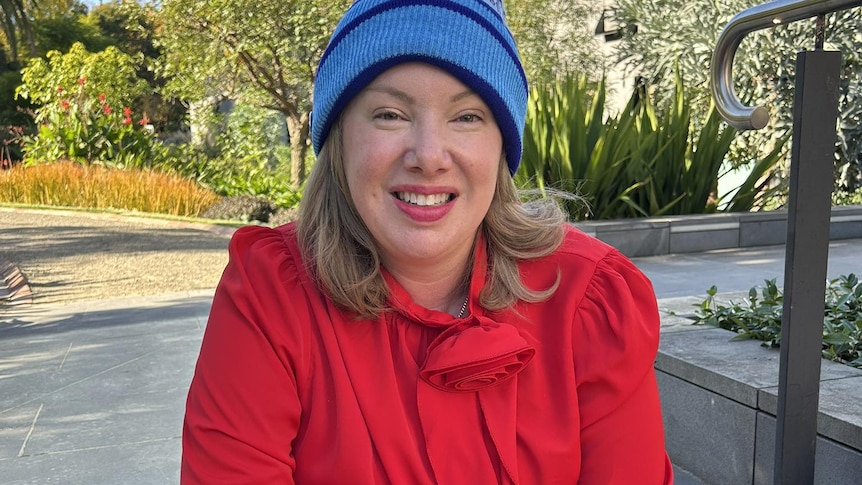
Emma Vulin, the Labor MP affected by a terminal illness, has made a heartfelt appeal to Attorney-General Michelle Rowland, urging a reevaluation of the Criminal Code to facilitate telehealth discussions about VAD.
Having publicly shared her struggles with MND, Vulin has acknowledged the difficult choices that lie ahead for her regarding her own end-of-life decisions. She emphasized in her correspondence to Rowland that existing laws hinder equitable access to voluntary assisted dying, particularly for individuals in rural or remote areas, as well as for those whose medical conditions limit their mobility.
“The current Criminal Code creates a significant barrier to utilizing telehealth for voluntary assisted dying assessments, which disproportionately affects those in rural regions,” Vulin stated.
Doctors who engage in phone or video consultations with terminally ill patients regarding the option of ending their lives could potentially face legal repercussions for allegedly inciting suicide through electronic means, even though VAD is sanctioned in every state and the Australian Capital Territory. The Northern Territory is in the process of drafting relevant legislation, which is expected to be presented to its parliament later this year.
Go Gentle Australia, an advocacy organization, has pointed out that the federal telehealth restrictions contradict broader national policies. Linda Swan, the group’s CEO, expressed concern over the lack of apparent motivation for legislative change at the federal level.
“Regrettably, there appears to be little enthusiasm for reform at the federal government,” Swan remarked.
Danielle McMullen, the president of the Australian Medical Association (AMA), underscored the necessity for dialogue about reconciling federal and state laws. She criticized the blanket prohibition on telephone discussions regarding VAD, asserting that it contradicts the intent of existing legislation across the country.
Recognizing the sensitive nature of the topic, McMullen noted that federal laws are obstructing doctors from providing optimal care to patients facing severe health challenges. “While we don’t argue that patients should never travel long distances for care, it stands to reason that preliminary discussions could occur through telehealth once proper consent has been obtained,” she added, highlighting the need for regulations in this area.
The AMA maintains that both healthcare providers and patients should have the option to utilize telehealth for VAD consultations. “The ability to access telehealth services would be immensely beneficial for both doctors and patients, particularly those in rural Australia where the distances to medical facilities can be significant,” McMullen stated. “It is evident that patients are missing out on essential care due to these restrictions.”
Emma Vulin, diagnosed with MND in 2024, plans to exit politics this year as her condition continues to deteriorate. She now relies on a motorized wheelchair and occasionally uses a voice assistance device. During a parliamentary session last year, she utilized this device to express her support for VAD laws as part of a five-year review.
“I may eventually opt for voluntary assisted dying, but this is not a decision I will make lightly,” Vulin conveyed to her colleagues in parliament. “It is about maintaining control over one of the most intimate choices a person can make regarding their exit from life.”
Vulin emphasized the significance of equity and timely access to choices surrounding end-of-life care and reiterated her concerns about the barriers posed by the telehealth restrictions. “I am proud to advocate for the Commonwealth to lift restrictions on telehealth for VAD assessments,” she asserted. “This situation simply isn’t fair.”
However, it seems unlikely that any amendments to the Criminal Code will be forthcoming in the near future. A government representative informed ABC News that the Attorney-General and the Minister for Health are still reviewing these matters in consultation with state and territory officials, acknowledging the complexity surrounding the interplay of Commonwealth legislation and local VAD frameworks.
Over the years, various states have appealed to the federal government for these changes. “The current Attorney-General appears reluctant to prioritize this issue, despite the ongoing calls from state attorneys general,” Swan concluded. “The Australian public has consistently shown strong support for access to assisted dying options across the nation.”
Opposition to changes in the laws is anticipated from groups against VAD initiatives, including the Australian Christian Lobby.