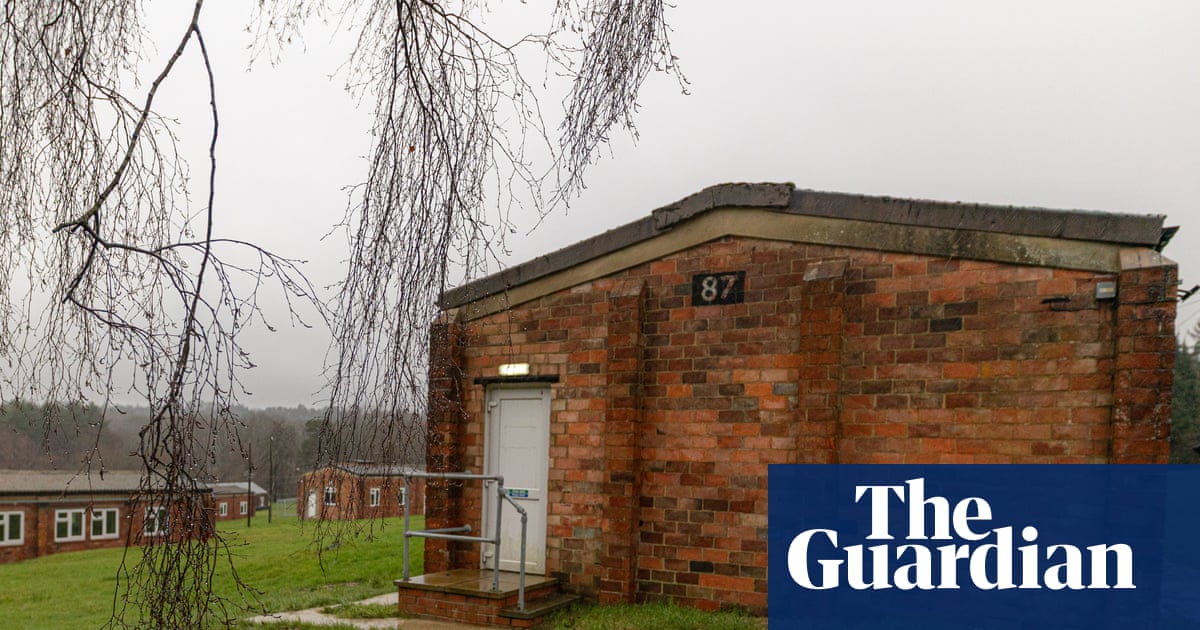

According to the Home Office, hundreds of asylum seekers have been relocated from government-supported hotels, with some now residing in military barracks. This announcement follows the closure of eleven facilities designated as “asylum hotels” across England, Scotland, and Northern Ireland, as initially reported by the Guardian. More closures are anticipated in the upcoming weeks, with approximately 350 individuals transferred to the Crowborough military camp in East Sussex, which has been characterized by a spokesperson as providing “basic accommodation.”
This shift in policy aligns with Keir Starmer’s commitment to eliminate all hotels accommodating asylum seekers prior to the next general election. The timing is critical as Labour prepares for local elections in England, where they are facing potential significant losses.
Reform UK continues to advocate for the closure of all 200 hotels that currently serve asylum seekers, a group that numbers around 30,000 individuals. Additionally, over 70,000 asylum seekers reside in various forms of accommodation, including shared housing and military facilities.
The current total of hotels still accommodating asylum seekers stands at 185, a decrease from a peak of 400. Asylum seekers are largely dependent on government-funded housing due to restrictions preventing them from working during the first year of their stay in the UK while their applications are processed. The Home Office has a legal obligation to provide housing for these individuals.
A recent statement from the Home Office noted the cessation of asylum seeker housing at the Banbury House hotel in Oxfordshire, a venue that had attracted protests. The Marine Court hotel in Bangor, County Down, also ceased hosting asylum seekers in February after four years of service, according to the local council.
Local activism had been prominent regarding the Citrus hotel in Cheltenham, Gloucestershire, which was vacated of asylum seekers several weeks ago. Other hotels that have closed include the Holiday Inn near Heathrow, the Britannia hotel in Wolverhampton, and the Madeley Court hotel near Telford, which was emptied earlier this week. The OYO Lakeside hotel in St Helens, Merseyside, had suffered vandalism in December; other closures include the Crewe Arms hotel in Crewe, the Sure hotel in Aberdeen, and both the Rock hotel and Wool Merchant hotel in Halifax.
Immigration Minister Alex Norris remarked, “Hotels were intended as a temporary solution under the previous administration, but their usage escalated uncontrollably—costing taxpayers billions and placing undue strain on local communities. We are addressing this by transitioning individuals to more basic accommodations, enhancing large facilities, and increasing the removal of individuals lacking the right to remain.”
Under the previous government, the asylum decision-making process stalled, leading to nearly 400 hotels being utilized. The Home Office estimates that the latest round of hotel closures will result in a savings of £65 million.
Protests at hotels throughout England have intensified over the past two summers, with some demonstrations turning violent, such as an incident in Rotherham in August 2024, where protesters attempted to set a hotel ablaze with asylum seekers inside.
Non-governmental organizations focused on refugee issues argue that hotels are not suitable for long-term living arrangements. A parliamentary inquiry criticized the government for wasting billions on a “failed, chaotic, and costly system.”
Imran Hussain, the director of external affairs at the Refugee Council, expressed that large military facilities do not serve as an appropriate substitute for hotels. “The government’s own financial watchdog has previously determined that these sites are more expensive than hotels, and they separate individuals from local communities and essential services,” he stated. “There is a more effective approach to eliminate the use of hotels. By granting temporary residency—subject to thorough security assessments—to individuals from countries such as Sudan and Iran, the government could clear hotels within a few months.”
Chris Philp, the shadow home secretary, criticized the government, noting that the number of asylum seekers in hotels has increased since the last election. “This is despite the government’s efforts to relocate individuals from hotels to residential apartments to obscure the situation,” Philp remarked. “Those apartments are then unavailable for young people trying to enter the housing market.”