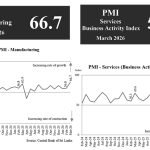

The ongoing crisis in the Middle East, coupled with rising commodity costs, is driving up production expenses in China, the world’s largest manufacturing nation, according to recent trade statistics from Beijing and insights gathered from local manufacturers.
Prior to the conflict between the U.S. and Israel over Iran, China’s export sector was thriving, successfully overcoming tariff increases imposed by Donald Trump by exploring new markets, which led to a record trade surplus last year.
However, manufacturers attending the Canton Fair, China’s largest trade exhibition, reported to Reuters that overseas orders are now declining while prices for plastic, copper, and aluminum are escalating.
In related news, Donald Trump recently shared a brief message regarding the 10-day ceasefire between Israel and Lebanon, expressing optimism for Lebanon’s future. He made the announcement on Truth Social, identifying himself as “President DJT.”
In the latest updates from the Middle East, United Nations Secretary-General António Guterres has expressed his approval of the ceasefire declared on Thursday, urging all parties involved to adhere to the terms of the truce. Guterres’s spokesperson, Stephane Dujarric, noted that the Secretary-General commends the U.S. for its role in facilitating this agreement and hopes it will lead to further negotiations.
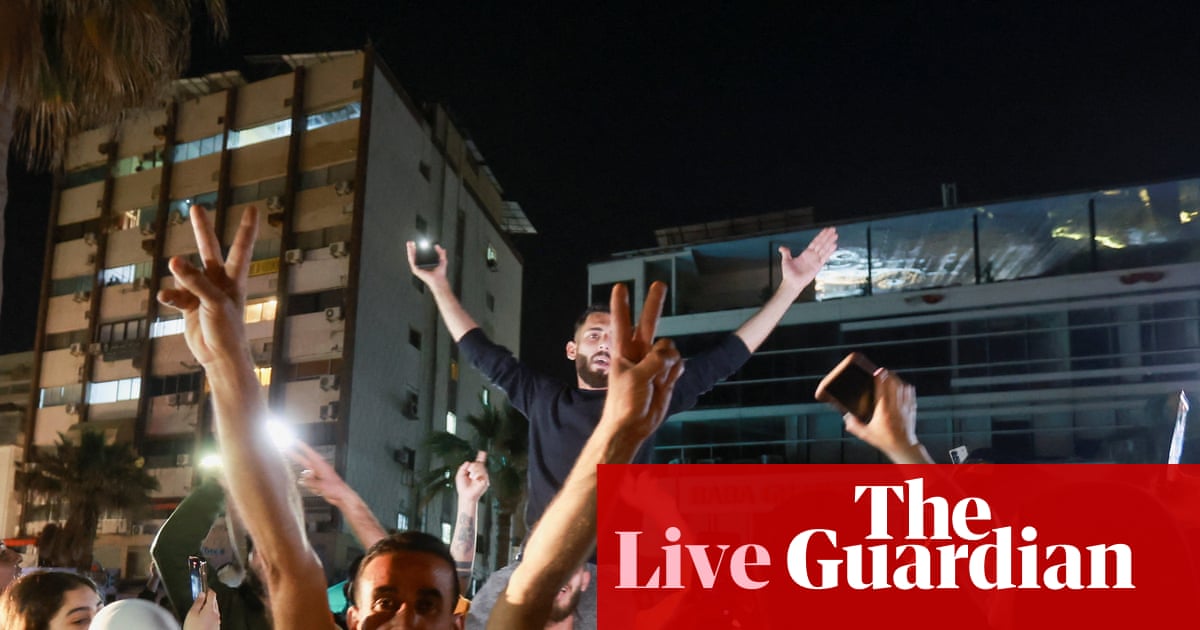
The ceasefire took effect at midnight on Thursday (2100 GMT) in Lebanon, where Israeli airstrikes have been targeting the Iranian-supported Hezbollah militia. The Lebanese army has cautioned displaced individuals against returning to their homes due to reports of ongoing shelling following the ceasefire’s initiation.
According to the conditions set forth by the U.S. State Department, Israel is prohibited from engaging in offensive military actions in Lebanon, though provisions for “self-defense” remain, permitting actions against imminent threats.
Further developments include the ceasefire, which has paused intense fighting between Israel and Hezbollah, resulting in over 2,100 Lebanese casualties and displacing more than 2.1 million people. Donald Trump announced this agreement after discussions with Israeli Prime Minister Benjamin Netanyahu and Lebanese President Joseph Aoun, both of whom have welcomed the truce. The duration of this ceasefire remains uncertain, as both parties retain the right to defend themselves should the peace be disrupted.
Netanyahu described the ceasefire as a “historic” chance for peace, although he declined to withdraw Israeli forces from southern Lebanon during this temporary halt. He stated that the military would maintain an expanded security presence in the region to prevent potential threats and asserted that dismantling Hezbollah remains a primary goal. Conversely, Lebanon is demanding a full Israeli withdrawal and the safe return of displaced residents.
Iran’s foreign ministry spokesperson, Esmail Baghaei, welcomed the ceasefire, emphasizing its alignment with an earlier Iran-U.S. agreement facilitated by Pakistan. He reiterated the need for a simultaneous ceasefire across the region and conveyed solidarity with the Lebanese people and government, calling for the return of displaced individuals and the complete withdrawal of Israeli troops from southern Lebanon.
The Lebanese army has urged residents to exercise caution when returning to southern Lebanon, advising against entering areas still under Israeli control. Hezbollah also issued a warning, reminding residents of Israel’s history of violating agreements.
Despite the ceasefire, the Israeli military has cautioned residents against returning south of the Litani River. In the hours leading up to the ceasefire, exchanges of fire continued between Israel and Hezbollah, with the Israeli military reporting strikes on over 380 Hezbollah targets in the preceding 24 hours. Meanwhile, Israeli attacks on Lebanese towns resulted in numerous casualties, including an airstrike on Ghazieh that killed at least seven individuals and injured 33, according to the health ministry.